

What is this — the mile lie club?
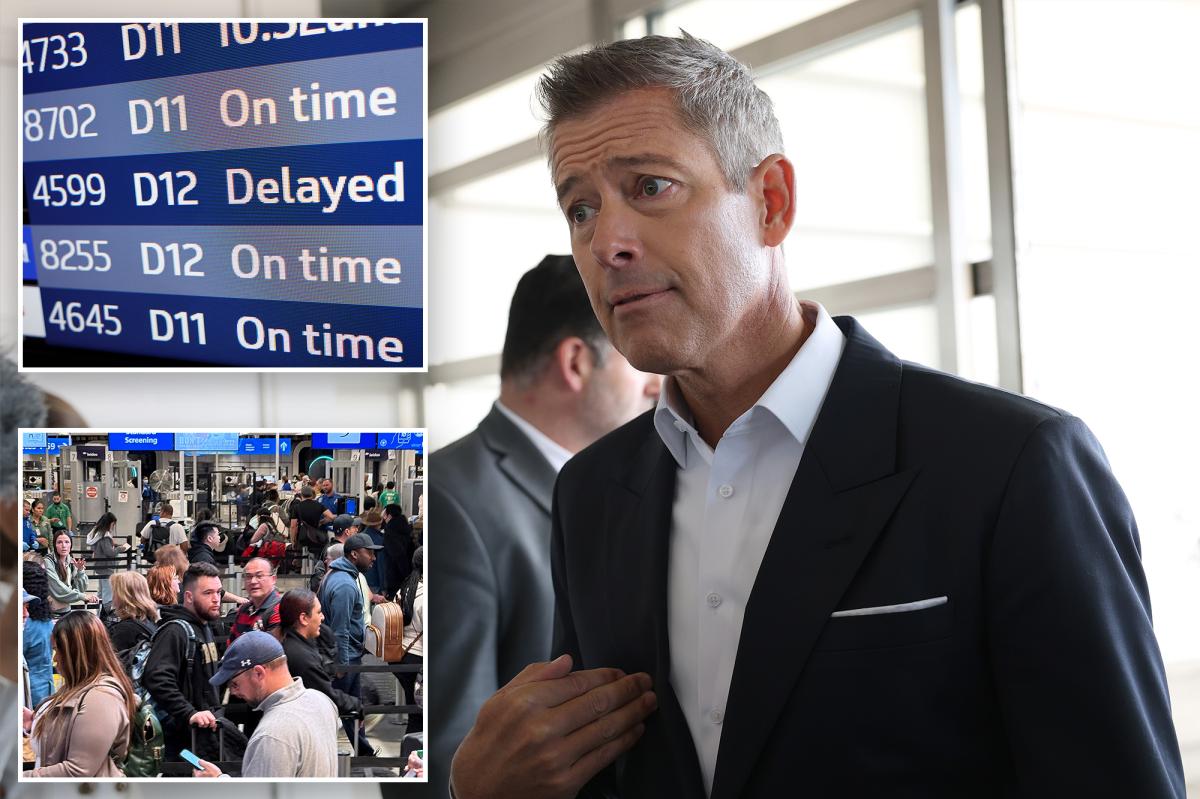
The Department of Transportation has announced it will roll back widely lauded Biden-era plans to reimburse travelers for flight delays and cancellations automatically.
Under the previous rule, which was finalized during the last few months of President Biden’s administration, carriers would have had to compensate passengers for reasons deemed under the airlines’ control such as mechanical issues or staffing shortages, AFAR reported.
The reimbursement would’ve ranged from $200 to $300 for domestic delays of at least three hours, and up to $775 for longer disruptions, PoliticoPro reported. In addition, the carriers would’ve had to foot the bill for meals and hotel rooms.
However, now this proposed safeguard has been nixed with the rollback slated to go into effect Monday. In a document filed in the Federal Register, the DOT argued that the policy would result in “unnecessary regulatory burdens.”
The department stated that they made a decision in line with an executive order that President Donald Trump signed in January on “Unleashing Prosperity Through Deregulation.”
The DOT wrote that rules like the automatic reimbursement policy might “discourage airlines from focusing on investments in new technologies to address cancellation and delays directly.”
They said that the reversal would allow carriers to “compete on the services and compensation that they provide to passengers.”
This rollback would largely leave it up to the airlines to decide how to reimburse travelers in the event of a disruption.
Under the updated policy, carriers will still be required to refund passengers for canceled flights. However, as it won’t be processed automatically, they will need to contact the airline in question to ensure that the reimbursement went through.
The experts at AFAR slammed the measure to give airlines carte blanche to implement their own policies because they “vary widely and are not legally enforceable.” This can leave flyers susceptible to getting stranded sans compensation, regardless of whether the airline is at fault, they argued.
To ensure they’re compensated, AFAR experts “urged travelers to investigate the options they have through their credit card or through the travel insurance they purchased.”
Democratic lawmakers were also swift to criticize the reversal. In October, 18 Democratic senators penned joint letter imploring the Trump administration to keep the reimbursement plant.
“This is a common-sense proposal: when an airline’s mistake imposes unanticipated costs on families, the airline should try to remedy the situation by providing accommodations to consumers and helping cover their costs,” read the correspondence, signed by Richard Blumenthal, Maria Cantwell and Ed Markey, among others.
However, the rollback has been applauded by airlines, which largely felt that the Biden-era requirements would increase ticket costs and add unnecessary red tape.
In a September 4 statement, Airlines for America — which represents all of the major U.S. carriers — dubbed the rules “unnecessary and burdensome regulations that exceed its authority and don’t solve issues important to our customers.”
The rollback comes after the Federal Aviation Administration implemented flight cuts at 40 major airports in response to staffing shortages caused by the shutdown.
The reductions remain in effect for now.
Read the full article here
