

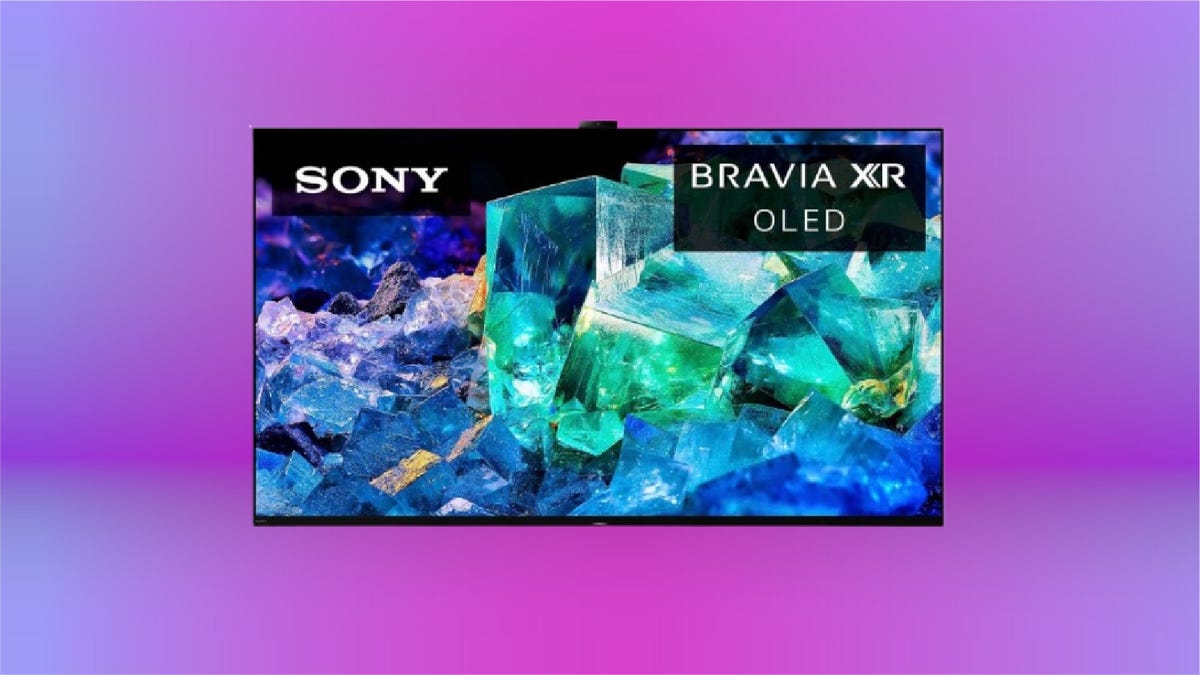
Sony and TCL said Tuesday they’re entering into a joint venture to spin Sony’s TV and audio home entertainment business into a new company, with TCL holding a controlling 51% stake.
But it’s not the end of Sony or its flagship Bravia TVs, which celebrated their 20th anniversary last year. The partnership would retain those brands when it goes into effect, with a target date of April 2027.
Don’t miss any of our unbiased tech content and lab-based reviews. Add CNET as a preferred Google source.
While Sony has been a home theater mainstay for decades, TCL has rapidly transformed itself from a budget brand known for its Roku-embedded smart TVs to a more premium brand that has competed favorably with top TV makers such as Samsung and LG. In CNET’s tests, TCL has performed well, particularly in the LCD television category.
At CES 2026, TCL unveiled a new display, the X11L, a giant LCD incorporating a Super Quantum Dot layer, that the company says adds better color and brightness.
(If you currently have a TV from either company, make sure you’re getting the most out of it. Check your Sony TV settings or the TV settings on your TCL.)
In the announcement, the two companies said the new venture will lean on “Sony’s high-quality picture and audio technology cultivated over the years, brand value and operational expertise, including supply chain management, while utilizing TCL’s advanced display technology, global scale advantages, industrial footprint, end-to-end cost efficiency, and vertical supply chain strength.”
Sony and TCL said they hope to finalize the agreement by the end of March. The startup of the new company will also depend on clearing contract and regulatory hurdles.
Joining forces, but why now?
Given the fierce competition in smart TVs, where big price drops are common and TV manufacturers are increasingly struggling to differentiate their offerings, it’s surprising that a consolidation of two popular brands hasn’t happened sooner.
“Even well-known, premium brands are finding it hard to compete on their own against companies like Samsung and LG that control more of the hardware stack and ship at massive volume,” said Kaveh Vahdat, a founder and CEO at RiseAngle, a company focused on generative video creation and video games.
Sony would bring wider brand recognition and its longstanding reputation, while TCL would bring more efficient manufacturing — and for consumers, potentially more competitive prices.
The planned partnership, Vahdat said, “is less about Sony stepping back from TVs entirely and more about adapting to how the smart TV market now works.”
One change that buyers of future Sony/Bravia-branded sets could potentially see is more ads.
“TCL-branded smart televisions are notoriously filled with promotional content, including recommended programming and product advertising,” said Rick Ellis, founder and managing editor at AllYourScreens.com, which covers the TV industry and programming.
That can’t be disabled on current TCL sets, though users can limit some personalization features, Ellis said. “While Sony-branded smart TVs have some of the same features, they tend to be a lot less intrusive.”
Read the full article here
