

Ring announced the launch of a new feature designed to help reunite lost pets with their families and promoted it in a Super Bowl commercial, but backlash followed, with critics raising fresh concerns about surveillance and data privacy.
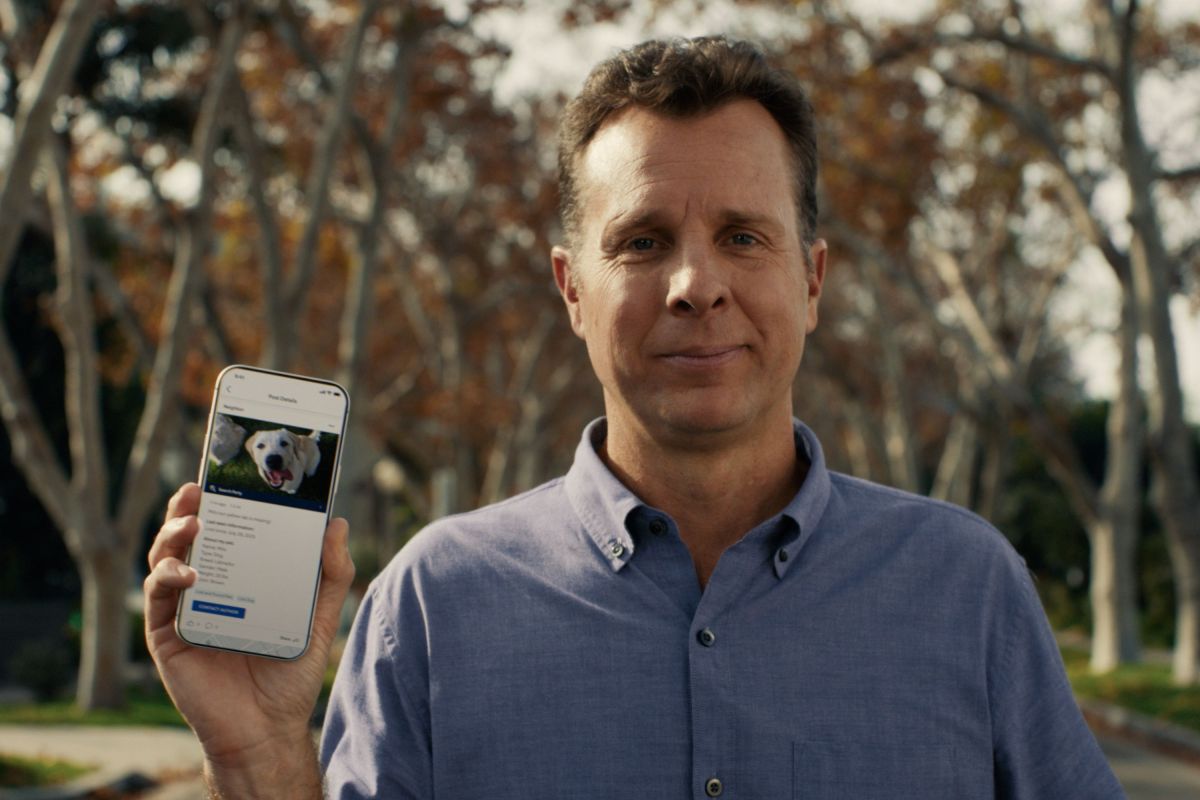
In the commercial that aired Sunday night, Ring highlights customers reuniting with lost pets through the company’s latest tool, Search Party for Dogs, which uses AI-powered computer vision to scan Ring camera footage of pets that resemble those reported missing in the app. If a potential match is detected, the camera owner receives an alert and can choose whether to share the clip with the neighbor searching for their pet.
The technology is meant to reunite some of the 10 million pets that go missing in the United States each year. Ring founder Jamie Siminoff told Newsweek via email that Search Party for Dogs was initially rolled out to Ring camera owners in the Los Angeles area in early November before being made available nationwide on November 10.
“Since launch, Search Party for Dogs has helped reunite more than 100 lost dogs with their families—more than one lost dog a day,” Siminoff said.
But despite the feel-good premise, reactions on social media ranged from excitement to alarm. Critics say the ad inadvertently highlighted the broader implications of embedding AI-driven camera searches in everyday life, echoing past fears about surveillance and law enforcement use, specifically Immigration and Customs Enforcement (ICE).
What Is Search Party For Dogs?
Ring’s Search Party for Dogs allows anyone in the U.S. to initiate a search via the Ring app, whether they own a Ring device or not. When a lost-dog post is made, nearby Ring cameras with the feature enabled temporarily scan footage for matches. If a match is spotted, camera owners receive a notification and can choose to share a clip.
Footage sharing is voluntary, and users can opt out of the Search Party for Dogs feature.
“The Search Party feature was designed to match images of dogs to dogs captured in Ring videos,” Siminoff said. “It is not designed to process human biometrics.”
Ring Commercial Backlash: ‘Creepy’
Many viewers weren’t convinced that this feature is solely for animals. On platforms like X, users described the ad as “creepy,” terrified that the ad was a disguise, with some questioning whether the pet-finding premise masked broader surveillance capabilities.
Senator Ed Markey, a Massachusetts Democrat, posted on X about the commercial, claiming it is about “mass surveillance.” He previously expressed concerns about Ring’s privacy violations and its facial recognition technology.
Some worried that if AI can detect dogs across cameras, it could just as easily be adapted to track people or other targets—concerns amplified by Ring’s facial recognition features and past public controversy surrounding how camera footage could be accessed by law enforcement agencies.
Ring Founder Assures User Safety
Ring’s leadership maintains that the feature was built with “strong privacy protections,” emphasizing user choice and community benefits.
“The goal of the Super Bowl ad was to expand awareness of the Search Party feature to enable more neighbors to show up for one another in moments that really matter,” Siminoff said. “If the ad helps even one more missing dog reunite with its family, the ad has done its job.”
As for worries about ICE, Siminoff said: “Ring has no partnership with ICE, does not give ICE videos, feeds or back-end access, and does not share video with them.”
Ring announced in October 2025 a partnership with Flock Safety, a security technology company, but it has not taken effect yet, according to the New York Times. Both companies said access to user data is limited to local law enforcement, and will be supplied only with permission of the device owner.
Previous Privacy Concerns
Ring faced scrutiny last year after viral social media claims falsely suggested that the company was alerting users about ICE raids. Ring said those alerts came from individual Neighbors app users, not the company itself.
Ring has said that it does not disclose customer information or footage, unless required to comply with a legally valid and binding order, such as a search warrant.
Larger Context: Surveillance Cameras and Privacy Debates
The anxiety over Ring isn’t isolated. The Nancy Guthrie kidnapping case highlights how cloud-connected cameras from other companies—in that instance, a Google Nest device—store footage that can be retrieved by law enforcement even without an active subscription, prompting renewed questions about who controls and accesses surveillance data.
Though unrelated to Ring, the episode amplified conversations about surveillance infrastructure, digital data permanence and privacy—all of which sit at the heart of today’s smart-home technology debates.
Bringing Dogs Home
Siminoff said the overall reaction to this new feature has been positive, as people celebrate a new method of bringing pets back home.
Ring has committed $1 million to help equip more than 4,000 animal shelters across the country with cameras, allowing them to identify and reunite lost dogs in a more centralized way.
“Deployment of shelter solutions will roll out over the course of the year,” Siminoff said. “Search Party reflects a meaningful step forward in Ring’s mission to make neighborhoods safer—including for all our four-legged family members.”
In a polarized era, the center is dismissed as bland. At Newsweek, ours is different: The Courageous Center—it’s not “both sides,” it’s sharp, challenging and alive with ideas. We follow facts, not factions. If that sounds like the kind of journalism you want to see thrive, we need you.
When you become a Newsweek Member, you support a mission to keep the center strong and vibrant. Members enjoy: Ad-free browsing, exclusive content and editor conversations. Help keep the center courageous. Join today.
Read the full article here
