

Apple has added more devices to its growing list of obsolete products, a designation that means the end of official hardware support for certain older models.
The latest update includes two iPhone models that are no longer eligible for repairs or service through Apple Stores or authorized providers, according to a report by 9to5Mac.
Apple’s standard lifecycle policy gradually phases out aging devices as newer models enter the market.
Why it Matters
Apple’s classification of products as “obsolete” has direct consequences for users who continue to rely on older devices.
Once a product reaches this status, Apple no longer provides hardware service or replacement parts, making repairs significantly more difficult.
The policy encourages users to upgrade when their devices that are nearing the end of their support window.
Devices are typically considered “vintage” five years after they are last sold and “obsolete” after seven years, according to the company’s official support documentation.
What to Know
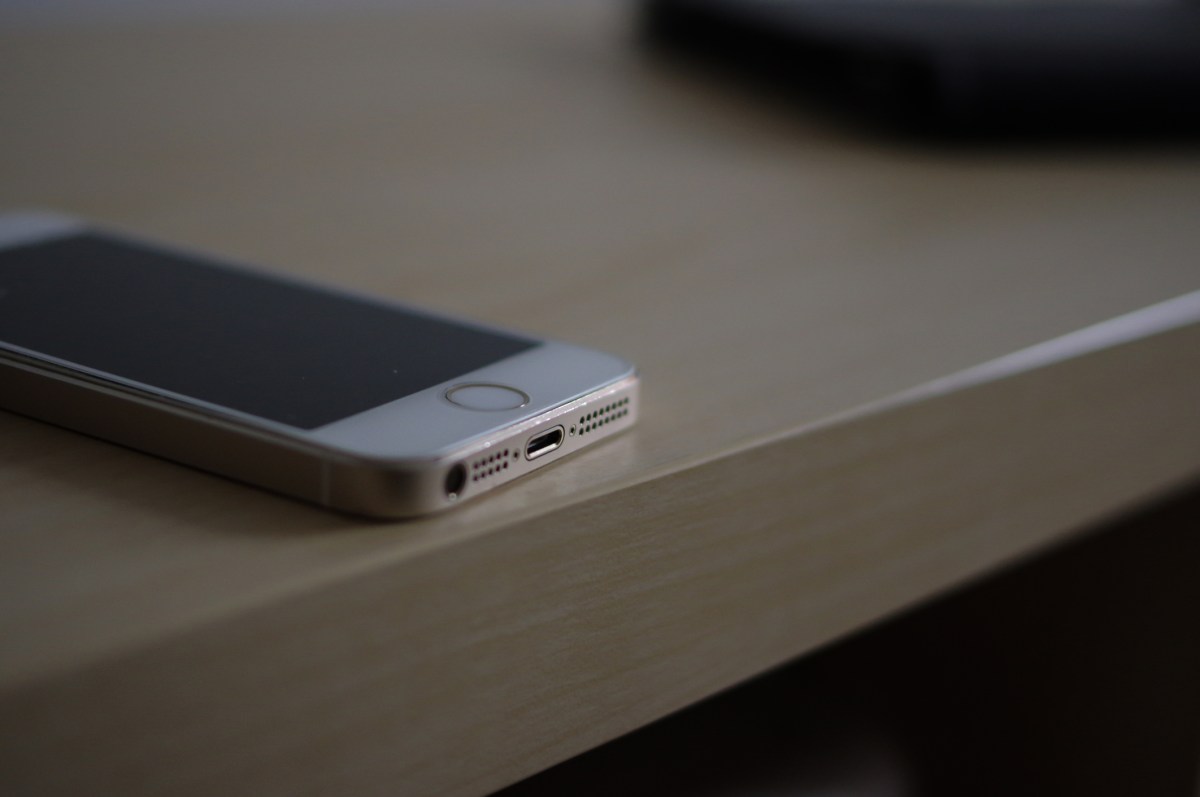
Apple’s latest update adds the iPhone 4 and iPhone 5 to its official list of obsolete products.
Both devices, originally released in 2010 and 2012 respectively, have now exceeded Apple’s seven-year support window.
As a result, they are no longer eligible for hardware service or repairs through Apple Stores or authorized providers, marking the final stage in their lifecycle under Apple’s support policies.
Apple Stores and authorized service providers are now unable to order parts or perform repairs.
Apple launched six new devices earlier this month, including the low-cost MacBook Neo, while discontinuing many more including the iPhone 16e.
What People Are Saying
Commentators on the Reddit’s r/Apple forum were nostalgic for the old phones.
“Left my iPhone 4 in the rain once. Still got $10 for it. Wish I had kept this milestone of industrial design,” one lamented.
“My first iPhone,” another person mused, adding, “One of ours fell down from a box of old tech in our closet last week, was so weird to hold it side by side with the 16 Pro.”
Finally, one individual pointed out that Apple’s phones have always been ahead of the curve: “The first iPhone was barely functional and was tied to AT&T. It was only in 2.5G device. No copy and paste.
“Only one app at a time and there weren’t too many to choose from. No [Multimedia Messaging Service]. No GPS. No email beyond the mail app.
“And it was still a technical marvel. The touchscreen was mind blowing compared to everything else out there. The amount of change from 1-to-5 is crazy.”
What’s Next
Consumers using older Apple devices may need to consider third-party repair options or upgrading to newer models as official support phases out.
Newsweek has reached out to Apple for comment via email.
Read the full article here
