

The Strait of Hormuz, a key shipping route through which about 20 per cent of the world’s oil and gas normally flows, has been closed by Iran after it was hit by United States-Israel airstrikes last month, pushing global oil prices higher.
Earlier in a Facebook post on Sunday, Malaysia Prime MInister Anwar Ibrahim said that 50 per cent of Malaysia’s oil supply passes through the strait, as he sought to explain why Malaysia has been affected by the surge in oil prices despite being an oil-producing nation.
“Although Malaysia is an oil producer, we actually import more oil than we export,” he said.
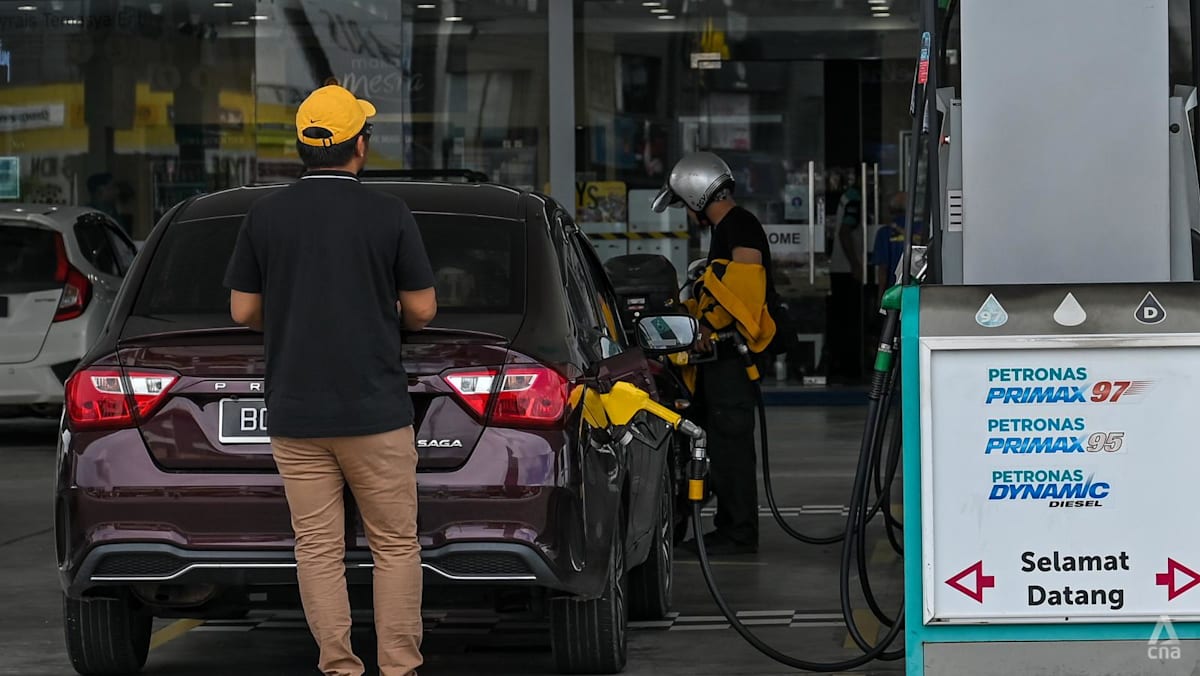
In the past two weeks, the Malaysian government has raised the price of RON97, non-subsidised RON95 and diesel in West Malaysia by RM1.30, RM0.60 and RM1.60 per litre respectively, local media reported.
However, the government continues to subsidise RON95 for eligible Malaysians and diesel in East Malaysia, a move estimated to cost RM3.2 billion a month, up from RM700 million previously, according to Finance Minister II Amir Hamzah Azizan on Mar 13.
The opposition has called for broader measures to address the potential economic impact.
Opposition coalition Perikatan Nasional chairman Ahmad Samsuri Mokhtar has urged the government to form a non-partisan national council to discuss economic interventions.
With the conflict persisting, he said Malaysians are starting to feel the effects of higher energy prices, supply chain disruptions and rising logistics costs.
“This chain reaction is unavoidable and in the coming months, the nation could face higher prices for basic goods and food, steeper transport and logistics costs, and more expensive utilities and services,” he said, as quoted by local media platform Free Malaysia Today on Sunday.
He added that there could be an even bigger impact on the job market as affected industries are possibly reducing their manpower
“Without proactive policy intervention, the risk of retrenchments may rise, especially in manufacturing, logistics, and small and medium enterprises heavily affected by higher raw material costs,” he said.
Ahmad Samsuri suggested that the government bring together non-governmental organisations, academics, industry players and civil society to collectively come up with solutions to ensure decisions are made in the country’s collective interests rather than narrow political considerations.
Read the full article here
