

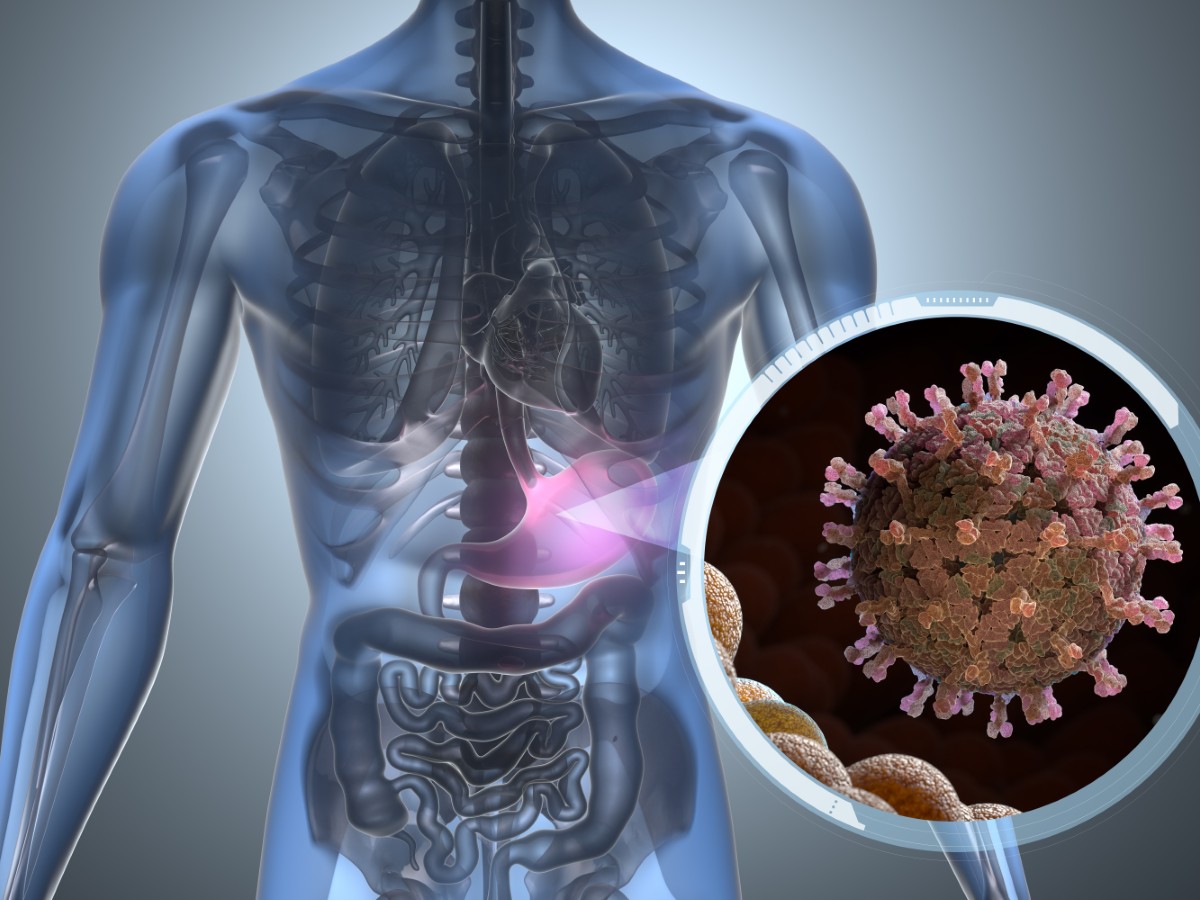
Positive cases of the potentially fatal rotavirus have continued to increase this month data from the Centers for Disease Control and Prevention (CDC) shows.
Just over 7 percent of more than 2,000 rotavirus tests were positive in the week ending April 4, according to the most recent CDC data, up from around 6 percent out of almost 3,500 tests the week before.
The data indicates that since the start of the year, the rate of positive tests has increased notably, particularly at the end of March into April.
Why It Matters
Rotavirus is an infectious virus that primarily affects young children, and can be fatal in some cases. It commonly causes severe diarrhea and vomiting, which risks a child becoming dangerously dehydrated, requiring hospitalization.
Diarrhea is recognized as one of the main, global killers of children, and rotavirus is among the most common causes of severe diarrhea in children under the age of 5 years worldwide, according to a Johns Hopkins University report on the virus.
Each year, the disease is responsible for 20 to 60 deaths in the U.S., more than 400,000 doctor visits, more than 200,000 emergency room visits and between 55,000 to 70,000 hospitalizations among children under 5, according to CDC data.
What To Know
The symptoms of rotavirus typically start around two days after a person is exposed to the virus, and watery diarrhea and vomiting can last for between three to eight days. Other symptoms can include fever and stomach pain.
Additional symptoms may be felt as the person becomes more dehydrated because of the loss of bodily fluids. These include decreased urination, dry mouth and throat, feeling dizzy when standing up, crying with few or no tears, and unusual sleepiness or fussiness.
While the virus is most common among infants and young children, it can also infect older children and adults, particularly those with weakened immune systems, though adults who get the virus typically have milder symptoms.
The virus usually spreads through the stool of an infected person, meaning it can be passed on if you get virus particles in your mouth by putting unwashed hands that are contaminated with traces of the stool in your mouth, touching contaminated objects or surfaces and then putting your fingers in your mouth, or eating contaminated food.
This means that practicing good hygiene like handwashing and cleanliness are important, though they are not always enough to control the spread of the disease. The available vaccination is considered by the CDC to be the “best way to protect your child” from the virus.
The vaccination provides 85 to 98 percent protection against severe rotavirus illness and hospitalization, and 74 to 87 percent protection against rotavirus illness of any severity, according to the CDC.
What Happens Next
Data from the CDC from previous years indicates that rotavirus cases spike in April and then begin to come back down over the course of May and into the summer. Given this seasonal pattern, it is likely that over the next few months that the number of cases will slowly drop.
Read the full article here
