

The U.S. military will reportedly board and seize Iran-linked vessels in international waters as part of Operation Economic Fury, the Trump administration’s plan to apply economic pressure on Tehran and force a peace deal, according to the Wall Street Journal on Saturday.
The Journal, which cited U.S. officials, said the operation intends to expand the U.S. naval crackdown beyond the Middle East.
Newsweek reached out to the Pentagon and U.S. Central Command (CENTCOMM) by email on Saturday afternoon for comment.
Why It Matters
Since the February 28 launch of Operation Epic Fury, the White House has repeatedly tied its pressure campaign to Iran’s energy lifelines, warning if Tehran did not fully reopen the Strait of Hormuz, the U.S. was prepared to escalate by targeting economic infrastructure such as power plants and oil facilities. Those threats were framed by President Donald Trump as leverage to force “free traffic of oil and everything else” through the strait, with officials and allies watching the economic fallout ripple through markets.
Over time, the pressure moved from rhetoric to enforcement. U.S. officials described a naval blockade focused on ships entering or leaving Iranian ports and coastal areas as a direct attempt to cut off Iran’s oil revenue and compel acceptance of U.S. terms. Even amid ceasefire maneuvering, Defense Secretary Pete Hegseth signaled the blockade would continue “as long as it takes,” with discussion of widening interdictions as part of tightening economic screws.
Iran, meanwhile, has applied its own economic pressure by constricting, and at points, allegedly monetizing, access to the chokepoint, including accounts of controlled or selective passage in exchange for “security fees.” Reporting also described tanker attacks and terminal closures that fed oil-price spikes and broader market instability, amplifying the costs of disruption beyond the region. In the U.S., that translated into political and pocketbook stress as energy turmoil pushed gas prices sharply higher.
What To Know
This week, the U.S. announced the start of Operation Economic Fury, which aims to ramp up economic pressure on Iran as the two nations remain locked in negotiations for a long-term ceasefire while a two-week pause is in effect.
Treasury Secretary Scott Bessent on April 15 said the U.S. was going to target Iran economically through the operation, which he compared to “the financial equivalent of what we saw in the kinetic activities”—by which he means the bombing campaign carried out over the previous month.
Bessent said the U.S. could also impose secondary sanctions on countries that purchase Iranian oil or “if Iranian money is sitting in your banks.”
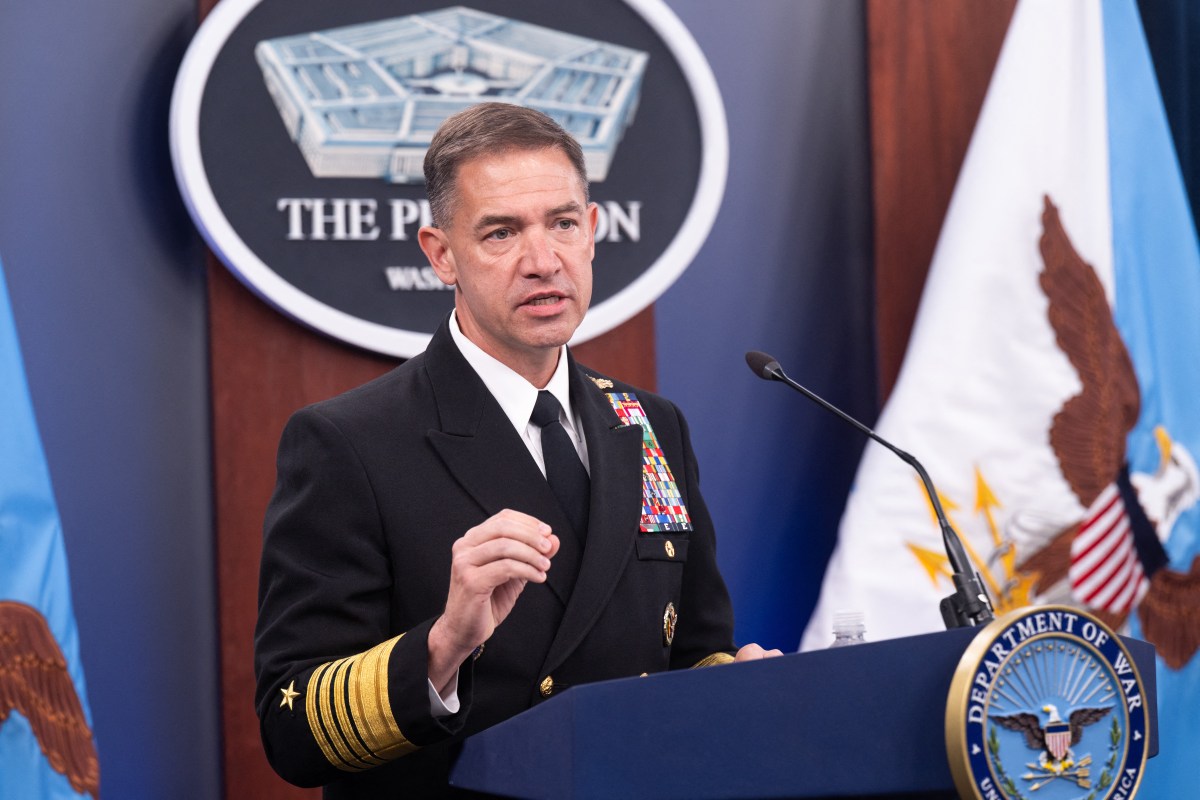
The U.S. escalated those plans on Thursday when chairman of the Joint Chiefs of Staff General Dan Caine told reporters the U.S. will “actively pursue any Iranian-flagged vessel or any vessel attempting to provide material support to Iran.”
“This includes dark fleet vessels carrying Iranian oil,” he said. “As most of you know, dark fleet vessels are those illicit or illegal ships evading international regulations, sanctions or insurance requirements.”
Now, officials are reportedly indicating that “pursue” could mean boarding and seizing commercial vessels linked with Iran or supporting it.
CENTCOMM on Friday said American forces had managed to divert 23 vessels since the blockade on Iranian ports began earlier this week.
Amid Iran closing the Strait of Hormuz again after it said it was open, Trump told reporters on Saturday that talks with Tehran are going well and that he expects to have more information “by the end of the day.”
Read the full article here
