

Another tenant, KC Bandi, who runs a stall selling traditional Indian clothing, voiced similar concerns.
“They may have a completely different concept for the mall,” he said. “If they sell similar products, it will be hard for us to continue.”
Despite these concerns, analysts said a Mustafa outlet near the RTS Link could significantly boost Johor Bahru’s retail landscape.
Loganathan said replicating Mustafa’s Singapore model could appeal to both locals and cross-border shoppers.
“It offers a one-stop shopping experience with a wide range of goods at competitive prices, which is something both Johoreans and Singaporeans are familiar with,” he said.
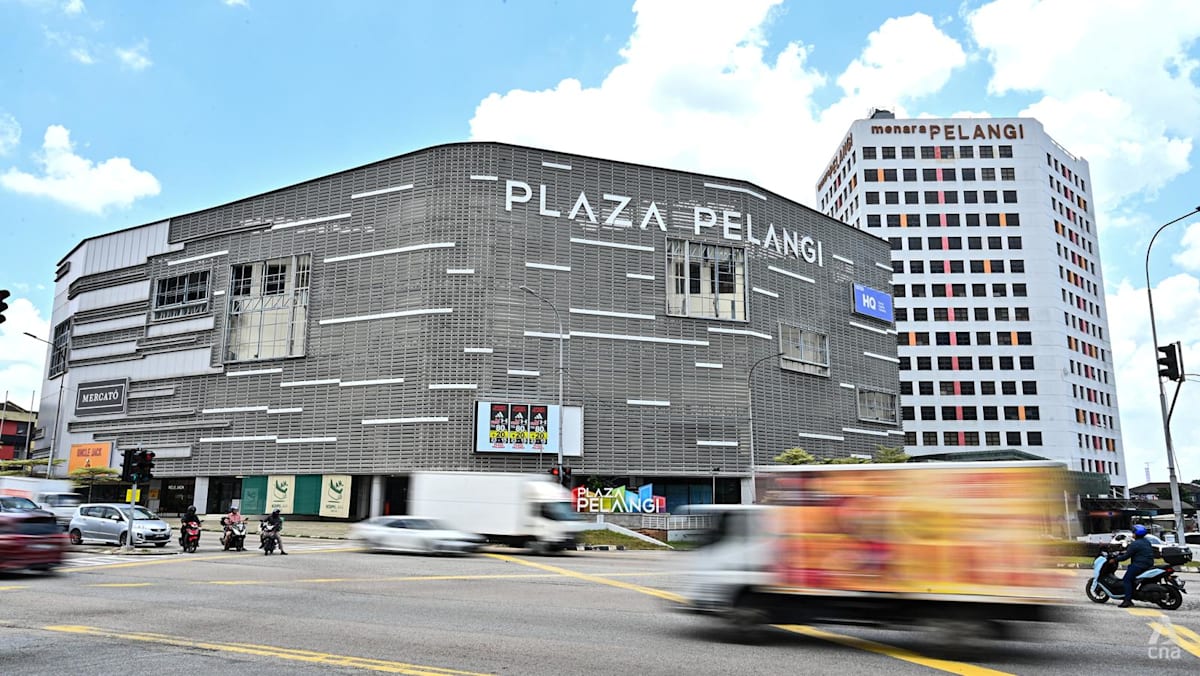
Tan added that Mustafa’s high-volume, round-the-clock retail model could transform Plaza Pelangi into a destination in its own right.
“Its presence could reposition the mall, drawing Singaporeans looking for everything from groceries to gold and electronics under one roof,” he said.
Tan acknowledged this could lead to the relocation of smaller businesses.
“We will likely see these utilitarian businesses move into older shophouses in Taman Pelangi or shift to areas like Taman Sentosa, Larkin or other suburban locations where rents remain affordable,” Tan said.
The changes in Taman Pelangi could mirror a wider shift in Johor Bahru’s retail landscape, he said.
“In the RTS era, assets in areas like Taman Pelangi will need to be either large-scale and distinctive, like Mustafa, or redeveloped into high-density residential projects,” he said.
“The middle ground, the quiet neighbourhood mall, is becoming increasingly rare.”
Read the full article here
