

Congress is weighing a sweeping slate of legislation that could reshape how millions of U.S. veterans access health care and disability benefits.
More than 20 bills are moving through the Senate Veterans’ Affairs Committee, along with dozens of House measures that collectively touch nearly every corner of the Department of Veterans Affairs (VA) system.
The legislative push comes amid mounting concerns from lawmakers in both parties that veterans are facing long wait times for care, outdated benefit rules and a VA system stretched by staffing shortages.
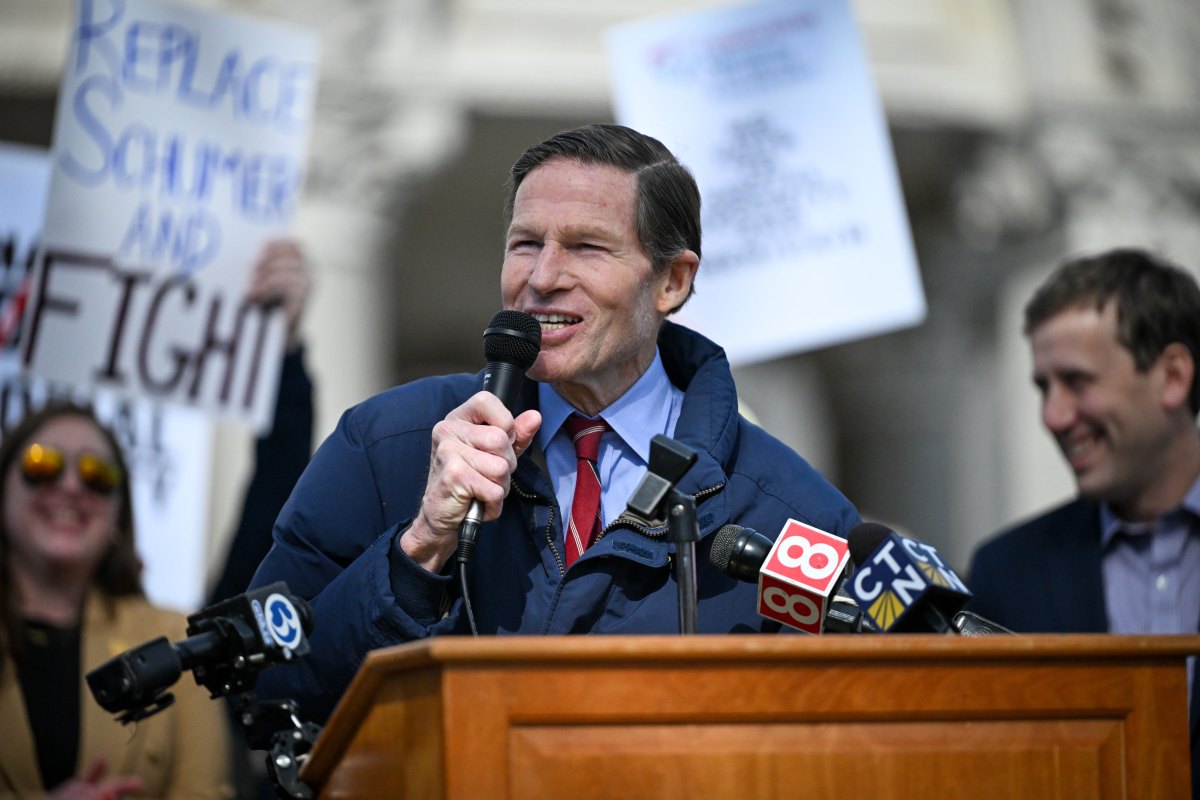
“The VA is in crisis. We need to take action for our Veterans and VA employees who are deeply disserved and damaged by the Trump and Musk cruel slash and trash regime,” Senator Richard Blumenthal, a Connecticut Democrat, said in a statement last year.
Why It Matters
Many of the lawmakers involved have pointed to several systemic problems for veterans, including backlogs and delays in disability claims and appeals
There are also staffing shortages at VA medical facilities and uneven access to specialty care, particularly for rural and disabled veterans.
Republicans and Democrats have argued that many of the laws governing veterans’ benefits have not been meaningfully updated in decades.
Key Senate Proposals Under Review
Several Senate bills have drawn particular attention for their potential impact on large groups of veterans and survivors:
Justice for ALS Veterans Act
This bill would expand Dependency and Indemnity Compensation for surviving spouses of veterans who die from ALS, regardless of how long the veteran lived with the disease. ALS advocacy groups have pressed Congress for years to address what they say is a gap in benefits for affected families.
Veterans Benefits Appeals Modernization
Sponsored by Senator Bill Cassidy, a Louisiana Republican, and co‑sponsored by Blumenthal, the proposal would allow veterans to move more easily between appeals tracks, impose clearer timelines for evidence submissions and require more detailed decision explanations from the VA. Supporters say the changes could reduce confusion and shorten wait times in the appeals process.
“Veterans served our country without hesitation,” Cassidy said in a statement. “They deserve to receive their benefits just as quickly.”
Mammography Access for Veterans Act
This bill would turn VA’s temporary tele-screening mammography program into a permanent, national offering. All states would be required to have it within two years. The bill is sponsored by Blumenthal and co-sponsored by senators Jerry Moran, a Kansas Republican, Mazie Hirono, a Hawaii Democrat, and John Boozman, an Arkansas Republican.
Women Veterans Specialty Care Access Act
If the bill becomes law, women veterans would be able to directly schedule appointments for gynecology, obstetrics, maternity and postpartum care without requiring a primary care referral. It is sponsored by Senator Marsha Blackburn, a Tennessee Republican, and co-sponsored by Senator Maggie Hassan, a New Hampshire Democrat.
For those with spinal cord disorders, the Disabled Veterans Dignity Act would create a VA program for bowel and bladder care support. And the Veterans STAND Act would mandate annual preventive health evaluations.
Veterans’ Bill of Rights Act
Sponsored by Blackburn with seven Republican co-sponsors, the proposal seeks to create a bill of rights for veterans covering access to providers informed consent and fair appeals.
This is similar to the National Veterans Strategy Act, which mandates that the president develop a national strategy for veterans’ success, looking at physical health and mental health as well as economic security.
House Bills Targeting Veterans Benefits
On the House side, the Veterans’ Affairs Committee has advanced or considered dozens of bills aimed at modernizing VA operations and expanding eligibility for care and benefits. In March, lawmakers reviewed 27 bills that could eventually be bundled into an omnibus package.
Among the proposals were bills for expanded health care access, including broader dental coverage and new mental‑health options. Lawmakers also have advocated for housing reforms, including changes to the VA home loan program aimed at preventing veteran homelessness.
There could also be education and job training updates, making it easier to use GI Bill benefits for non‑traditional career paths.
Some measures have drawn bipartisan backing, while others have sparked debate over costs and the role of private care in the VA system. Despite sharp partisan divides over federal spending, veterans’ legislation remains one of the few areas where bipartisan coalitions still regularly form.
Who Is Affected
The current package of proposals could affect disabled veterans seeking faster claims and appeals decisions as well as surviving spouses and families eligible for expanded compensation. Veterans in rural areas facing limited access to specialty care could also be disproportionately impacted alongside homeless and at‑risk veterans relying on housing and loan programs.
“Now more than ever, Veterans need assurances both parties will stand up to protect the benefits and health care they earned—especially the life-saving mental health care they rely on,” Blumenthal has said.
Lawmakers estimate that 18 million veterans nationwide could be touched by at least one of the proposed changes, depending on final bill language.
Several of the measures are still in early committee stages, meaning passage is far from guaranteed. However, veterans’ bills historically have higher odds than many other policy initiatives, particularly when framed as targeted reforms rather than major spending increases.
What Happens Next
The Senate Veterans’ Affairs Committee is expected to vote on several bills following its April 29 hearing, while the House continues to move individual measures through committee markup.
Read the full article here
