

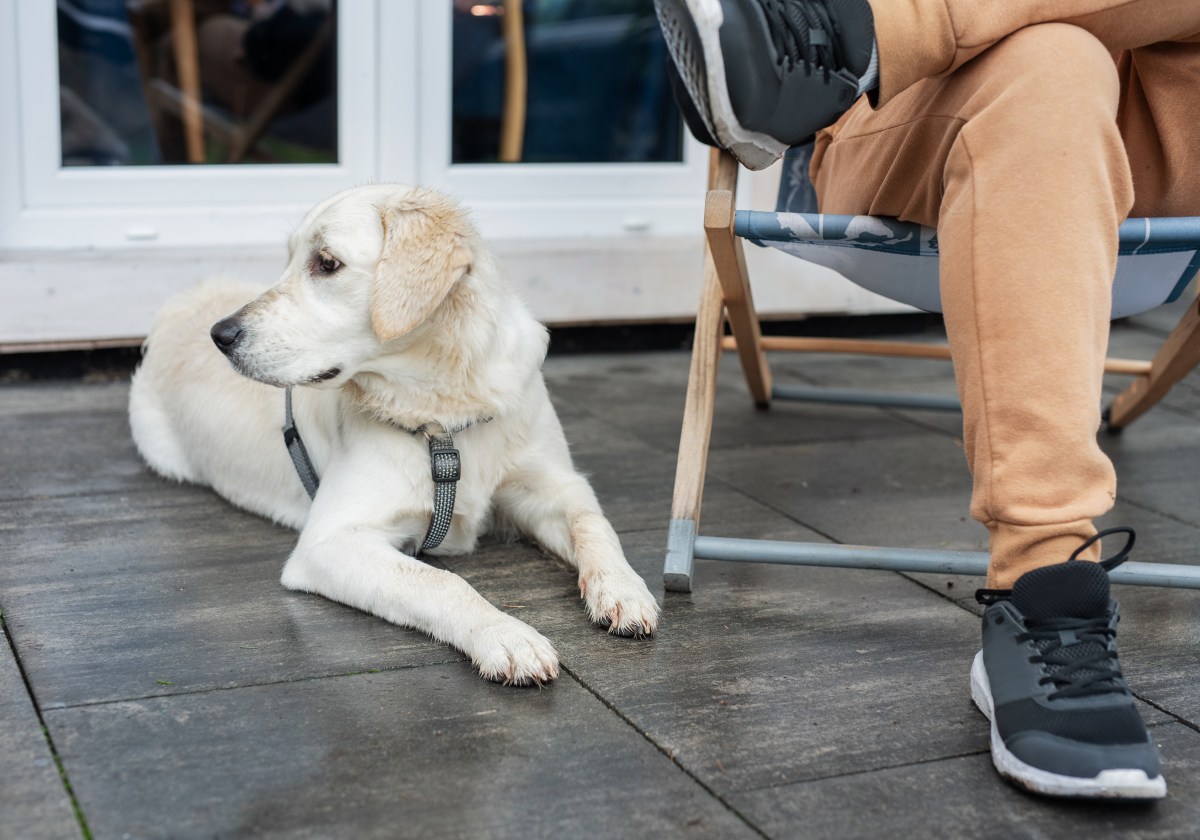
Many people assume a dog is happy only when its tail is wagging, but canine happiness shows up in far more subtle ways.
Behavioral modification expert Ryan Wimpey—who has more than 15 years of experience in dog training—told Newsweek that owners often miss the quieter signs of contentment.
“One thing I’ve learned along the way is this: a lot of people misunderstand what a truly happy dog looks like,” said Wimpey. “It’s not always the over-the-top excitement people expect.”
Five Behaviors That Signal a Happy Dog
Wimpey, who is based in Tulsa, Oklahoma, has shared five overlooked behaviors that often reveal a pup is genuinely happy and secure.
1. Soft Eyes and a Relaxed Face
Wimpey explained that canines with an intense, fixed stare are not displaying happiness. “A happy, confident dog has soft eyes, maybe even slow blinks, and a relaxed expression,” he said. “That tells us the dog feels safe and trusts what’s going on around them, not that they’re on edge.”
Trainers often look for these subtle facial cues when assessing a pup’s emotional state.
2. Loose, Natural Movement
“Happiness doesn’t always mean bouncing off the walls,” Wimpey said. “A well-trained, content dog moves loosely, not stiff or tense. Their body looks natural, easy, and fluid. That’s a dog that’s comfortable and understands their environment.”
Professionals note that relaxed body language is one of the clearest indicators of emotional stability.
3. Choosing to Stay Close—Calmly
Wimpey frequently sees canines that choose to remain near their owners without demanding constant attention. When a dog lies beside its owner, follows them around calmly, or simply relaxes in the same room, it often signals deep trust and security. These animals don’t need to act out or seek reassurance; their quiet companionship speaks for itself.
4. Play With an ‘Off Switch’
Wimpey said he loves seeing canines that enjoy play but can also pause and check in with their owner. “That shows emotional control. A happy dog isn’t out of control; they’re engaged, responsive, and able to turn it on and off. That balance is huge,” he added.
Trainers often view this ability to self-regulate as a sign of a well-adjusted canine.
5. Sleeping in Vulnerable Positions
“When a dog is stretched out, on their back, or in a position that leaves them exposed, that tells you everything,” Wimpey said. “That’s a dog that feels safe in their home. We always tell our clients, structure and training are what create that level of comfort.”
Pups that sleep belly-up or sprawled out typically feel completely secure in their environment.
What To Do If Your Dog Seems Unhappy
An unhappy pup doesn’t mean you are a bad owner. Just like humans, dogs come from different backgrounds and have unique personalities. Some may be naturally anxious, fearful, or uncertain. Wimpey emphasizes that owners can take practical steps to help their pets feel more secure.
- Increase clarity: Many anxious or unsettled canines simply don’t understand what is expected of them. Clear rules and consistent communication can dramatically reduce stress.
- Provide structure: Dogs thrive on routine, boundaries, and guidance. Too much freedom without direction can create more anxiety, not less.
- Meet their needs: Ensure your pup gets meaningful exercise, mental stimulation, and a sense of purpose—not just random activity. Proper nutrition and adequate rest are essential, too.
- Address behavior issues early: Anxiety, reactivity, and disobedience rarely resolve on their own. Without intervention, they often worsen. Proper training helps canines relax and feel confident.
Read the full article here
