

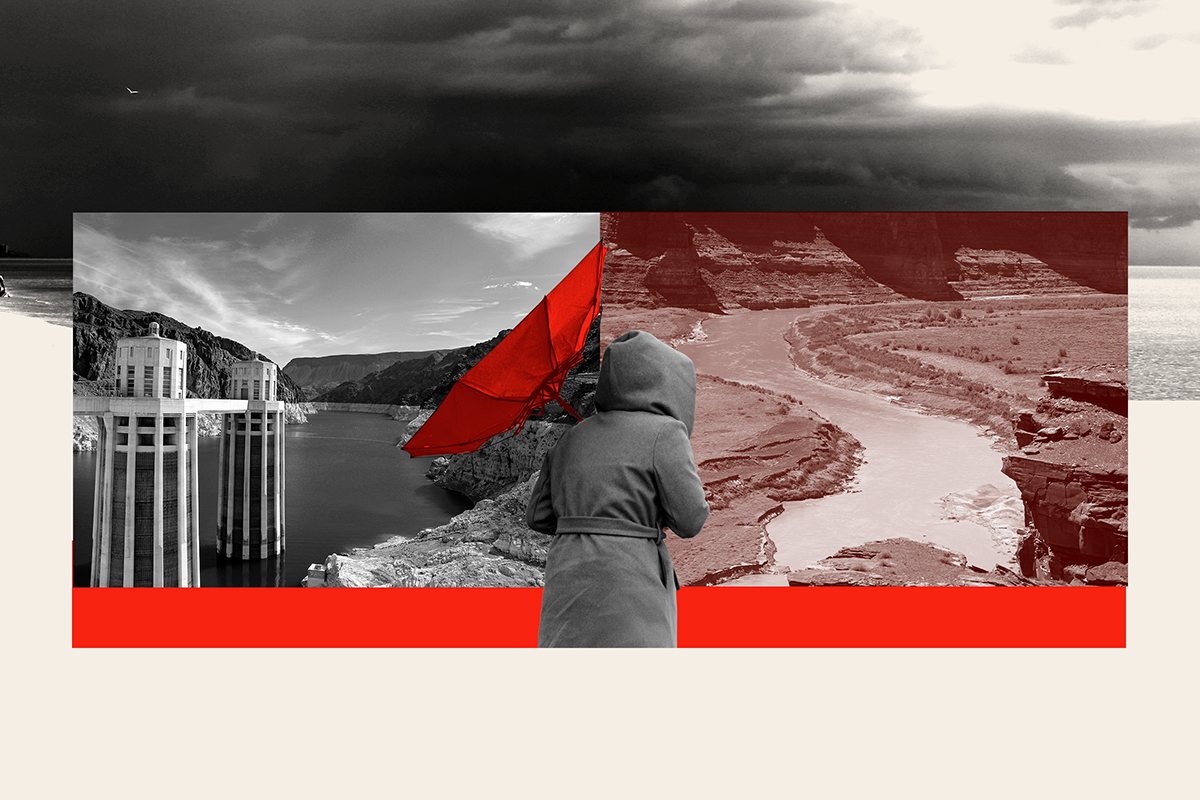
A potential “super” El Niño later this year could bring much-needed relief to the drought-stricken Colorado River system, raising hopes for improved snowpack, reservoir levels and water supplies across the American West.
The river irrigates millions of acres of farmland and provided water to tens of millions of Americans, making the prolonged drought a major concern for long-term water stability. Key reservoirs along the river have seen declining water levels in recent years, raising concerns about power generation, water supply, and local ecosystems.
The Colorado River spans roughly 1,450 miles, running from the Rocky Mountains to the Gulf of California in Mexico and the basin is split into two sections.
The Upper Basin includes Colorado, New Mexico, Utah and Wyoming, while the Lower Basin covers Arizona, California and Nevada. The river and its tributaries supply critical water resources to all seven states, as well as parts of Mexico.
Why El Niño Matters for the Southwest
Forecasters say conditions in the atmosphere‑ocean system are increasingly shifting toward El Niño, a climate pattern that can affect weather worldwide.
El Niño and La Niña represent the warm and cool stages of a natural climate cycle in the tropical Pacific called the El Niño–Southern Oscillation (ENSO).
This cycle swings irregularly every two to seven years, altering ocean temperatures and disrupting typical wind and rainfall patterns across the tropics. These shifts in the seasonal climate of the Pacific can trigger wider global impacts.
During El Niño events, the trade winds that typically blow west along the equator weaken, and warm water is pushed eastward toward the West Coast of the Americas.
Warmer waters cause the Pacific jet stream to shift south of its usual position, in turn leading to warmer, drier conditions for parts of the Northern U.S. and Canada, but wetter conditions across the U.S. Gulf Coast and Southeast.
El Niño can also influence the hurricane season, with decreased activity in the Atlantic, but experiencing a rise in the Pacific.
“El Niño typically favors above-normal precipitation across the Southwest during the winter, but that wet signal weakens north of the Four Corners region,” Brad Pugh, a meteorologist at the National Oceanic and Atmospheric Administration’s (NOAA) Climate Prediction Center,” told Newsweek.
“Historically, snowfall tends to be above-normal across Arizona, New Mexico, southeastern Utah, and southwestern Colorado during El Niño winters.”
Experts have also been warning that a particularly strong or “super” El Niño is possible later this year, which could amplify the weather phenomenon’s associated impacts.
In a recent forecast discussion, the NOAA’s Climate Prediction Center said El Niño is likely to emerge during May-July.
Could It Aid the Parched Colorado River?
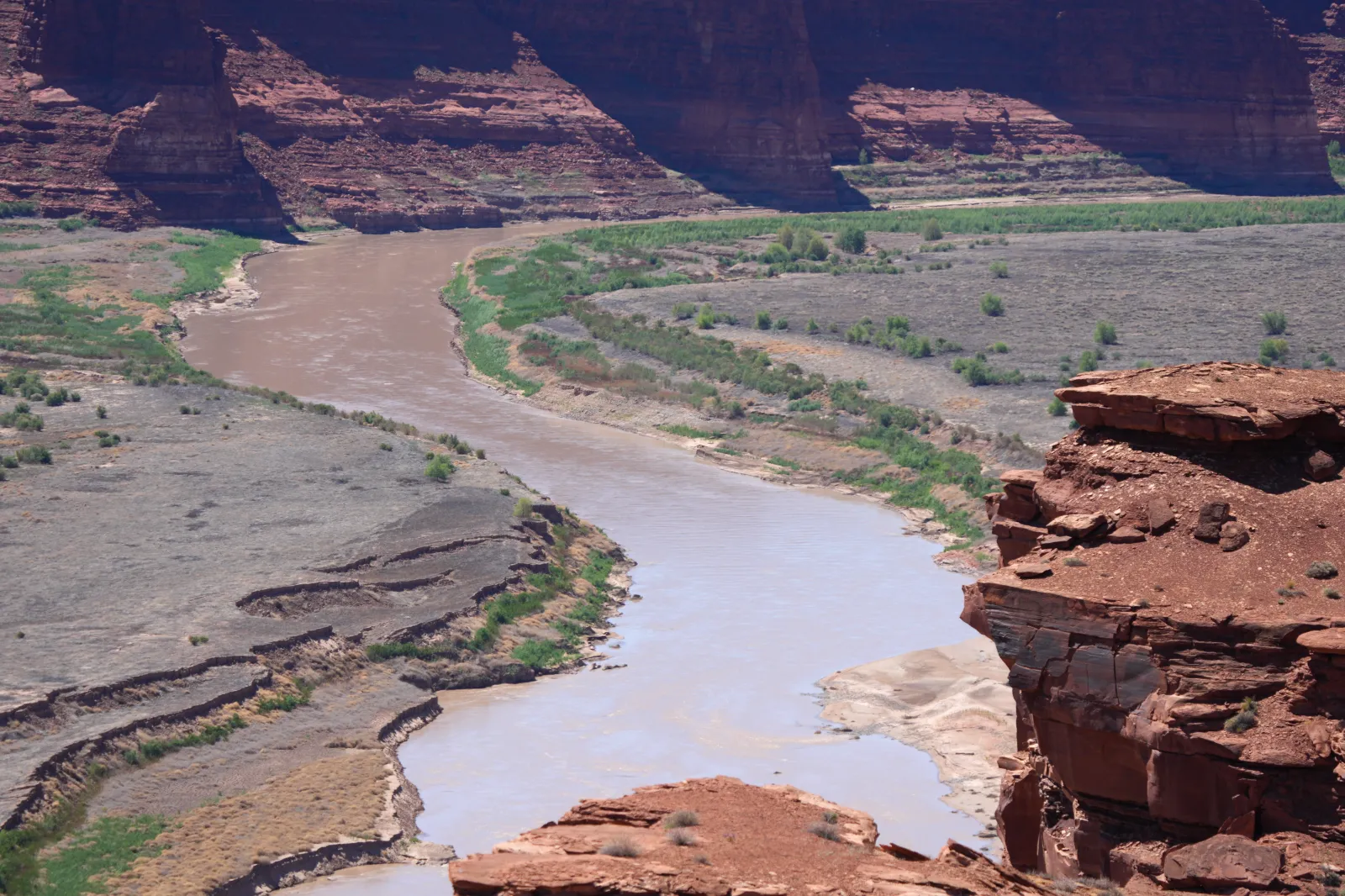
Meanwhile, experts have long been sounding the alarm over the drought-stricken Colorado River system, which irrigates over 5 million acres of farmland and provides water to some 40 million people in the West,
Situated along the river are Lakes Mead and Powell, the first- and second-largest reservoirs in the U.S.—both of which have been grappling with declining storage and underwhelming mountain snowpack affecting snow-water levels in recent years amid the challenging conditions.
Water managers had earlier warned that declining levels in Lake Powell were putting hydropower generation at Glen Canyon Dam at risk, and last month announced measures to help stabilize the reservoir.
The question now is whether an incoming El Niño could help alleviate some of the Colorado River system’s challenges.
“The upcoming moderate to very strong El Niño should be beneficial for the drought; that is El Niño will be a factor that chips away at the drought starting this summer and continuing through the winter as well,” AccuWeather meteorologist Chad Merrill told Newsweek.
Merrill added that there was also a good chance for increased rain and snow totals.
Why Relief Is Not Guaranteed
However, one factor that could limit beneficial moisture this winter could be the orientation of the jet stream, said Merrill.
“If it’s farther north than a typical El Nino, then the Colorado River Basin would not benefit as much from rain and snowfall.
“It’s too early to draw any conclusions about the orientation of the jet stream though,” he added.
This year, El Niño is also expected to coincide with another climate pattern.
Unusually warm waters spanning from Baja California to Hawaii—known as the Pacific Meridional Mode—are likely to further enhance rainfall through the summer and fall.
This setup could also allow moisture from Eastern Pacific storms to have more far-reaching impacts across the West than it would if ocean temperatures were lower, according to Merrill. “So, this pattern helps gives El Niño a boost in precipitation for the Colorado River Basin,” said the meteorologist.
El Niño conditions are expected through at least early next Spring, Merrill said, adding that between 15 and 25 inches of rain or melted snow would be required in a year to erase the drought across the Colorado River Basin.
“Total average precipitation (rain and melted snow) is about 2-5 inches in the Colorado River Basin during the winter, so above average rainfall is needed this summer and fall for sure to help offset such a large precipitation departure that has accumulated.
“A stormy fall to winter season should definitely lessen the intensity of the drought and its coverage across the Colorado River Basin. The pattern would need to be persistent into spring and perhaps early summer to likely completely erase the drought.”
Read the full article here
