

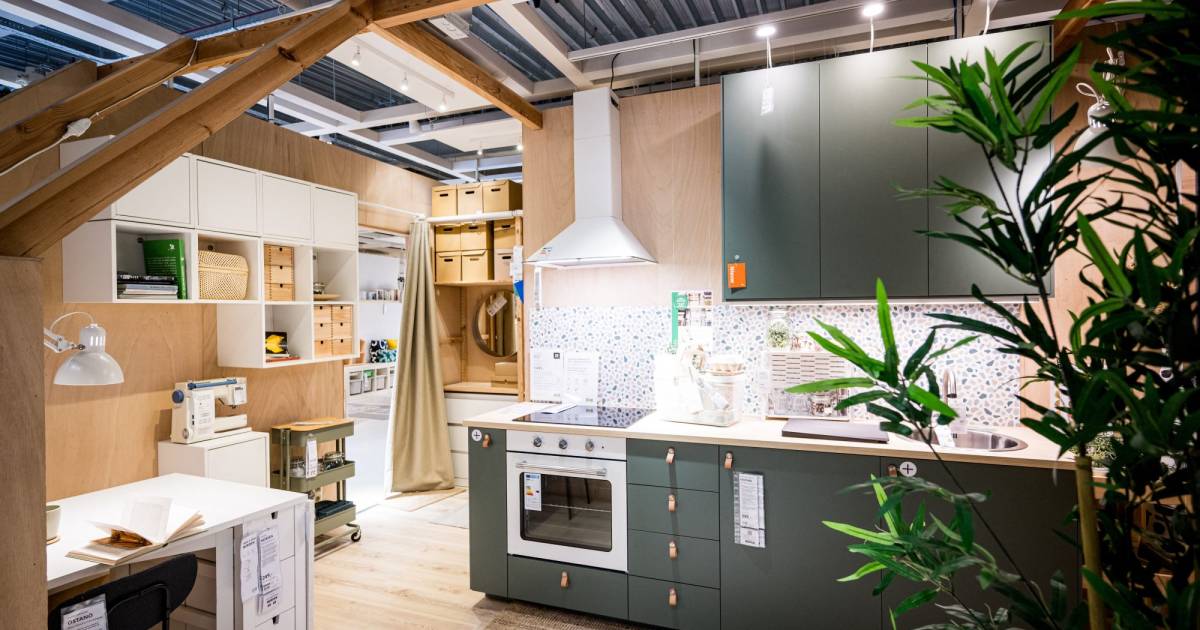
Kitchen clutter has a way of hiding the tools, ingredients and gadgets you actually paid for — and a simple reset can change that without a full renovation or a weekend lost to chaos.
How Do You Start a Kitchen Organization Reset Without Getting Overwhelmed?
Start with one space or zone at a time instead of emptying the entire kitchen at once. That single shift keeps the project manageable and prevents the mid-reset pileup that derails most attempts.
As you work through each zone, toss expired food, broken gadgets, mystery containers and duplicate tools. Create three piles as you go: “keep,” “donate” and “rarely use.” The “rarely use” pile is the honest one — it tells you what’s eating space without earning it.
Keep the things you reach for daily within arm’s length of where you use them, and move the rest out of prime real estate. Everyday cookware belongs near the stove, not buried behind a waffle iron you pull out twice a year.
A few placement rules that pay off fast:
- Store coffee supplies together in one station so mornings get easier
- Put healthy grab-and-go snacks at eye level
- Move specialty appliances out of prime counter space if they’re rarely used
The goal isn’t a magazine-ready counter. It’s a kitchen where the tools you actually use are the ones easiest to grab.
How Do You Create Useful Zones in Your Kitchen and Fridge?
Zones work because they tell your brain — and everyone else in the house — where things live and what needs to get eaten. Set them up loosely so they survive a busy week.
Try these four:
- A basket for produce that needs to be eaten soon
- A shelf for leftovers and open ingredients
- A “quick dinner” section with pantry staples
- A visible snack zone so food doesn’t expire unseen
Inside the fridge, use clear bins for categories like sauces, cheese and meal prep ingredients. Label shelves loosely instead of over-organizing, and store herbs and greens where you can actually see them — the back of the bottom drawer is where good produce goes to die.
What Should You Do With Your Freezer During a Kitchen Reset?
The freezer is where forgotten food accumulates fastest, and a quick audit can surface ingredients you’d otherwise rebuy. Heather Ramsdell of The Spruce lays out a straightforward method.
“Take everything out of your freezer. Label items you plan to save with a marker. Stash similar ingredients, like bags of frozen veggies or packaged leftovers in separate storage containers within the freezer and refrigerator. Repeat with the fridge. Once you have removed all of the inedible stuff, move anything that you do not plan to eat in the next month to an out of the way spot. Your newfound ingredients might even save you some money on your next shopping trip,” Ramsdell writes.
Which Kitchen Gadgets Are Worth Keeping on the Counter?
Only gadgets you use weekly should earn permanent counter space. Single-use tools — the avocado slicer, the strawberry huller, the quesadilla maker — often create more clutter than convenience.
Ask four questions of each gadget: Does it earn permanent counter space? Is it single-use or genuinely versatile? Can awkward appliances like air fryers or stand mixers be stored in a lower cabinet with a pull-out shelf? And is it actually useful, or just trendy? If the answer to that last one is “trendy,” it belongs in the donate pile.
A handful of inexpensive tools do more for daily function than a full cabinet overhaul. These are the changes that pay off every time you cook.
- Drawer dividers for utensils and cooking tools
- Lazy Susans for oils, spices or condiments
- Vertical organizers for baking sheets and cutting boards
- Clear containers for dry goods you constantly rebuy
Clear containers in particular solve a quiet problem — you stop buying a third bag of rice because you can finally see the two you already have.
Should You Install a Hanging Pot Rack in Your Kitchen?
Yes, if your cabinets are stuffed and your pans are hard to grab, a hanging rack is one of the highest-impact upgrades you can make. Madeline Buiano writes for Martha Stewart that Martha herself swears by the trick.
“Using a rack will save a lot of space in your cabinets—and make your pots and pans easier to find. Martha hangs her cookware above the stationary island near the range,” Buiano writes. Hanging cookware near the range — wherever your range happens to be — keeps the tools you use most within reach and frees cabinet space for the things you’d rather hide.
Read the full article here
