

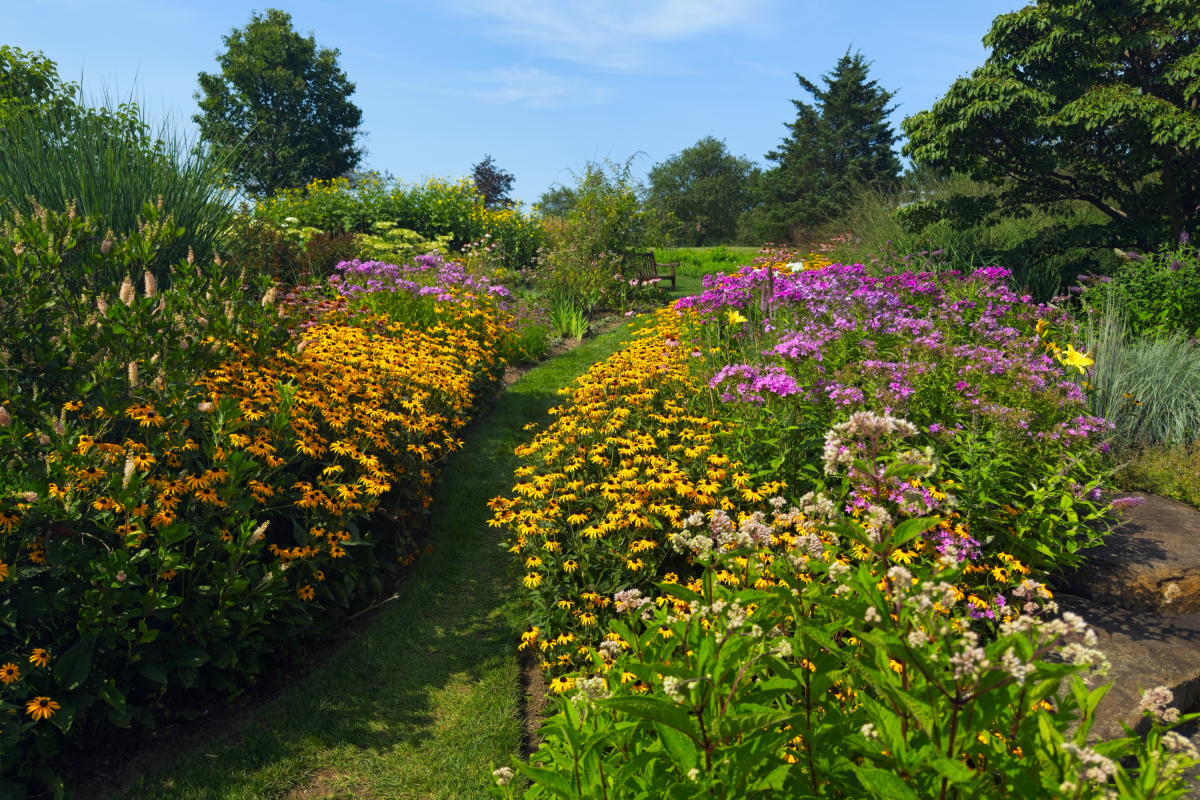
The Old Farmer’s Almanac is warning that gardeners should prepare for a hotter, drier-than-normal summer in 2026, with shifting weather patterns likely to put added strain on plants, soil, and water supplies across large parts of the United States.
The long-range outlook suggests that above-average temperatures will dominate much of the country, while rainfall is expected to be uneven and, in many regions, below normal—creating the kind of dry conditions that can quickly stress gardens.
Are Summers Getting Hotter?
Broader scientific evidence shows that summers are becoming hotter and longer due to climate change.
Data analyzed by Climate Central, using National Oceanic and Atmospheric Administration (NOAA) records show that summer temperatures have risen in about 97 percent of major U.S. cities since 1970.
For gardeners, that shift means more evaporation, drier soils, and greater stress on plants, particularly during prolonged dry spells.
Where in the US Is Likely to Be Especially Dry?
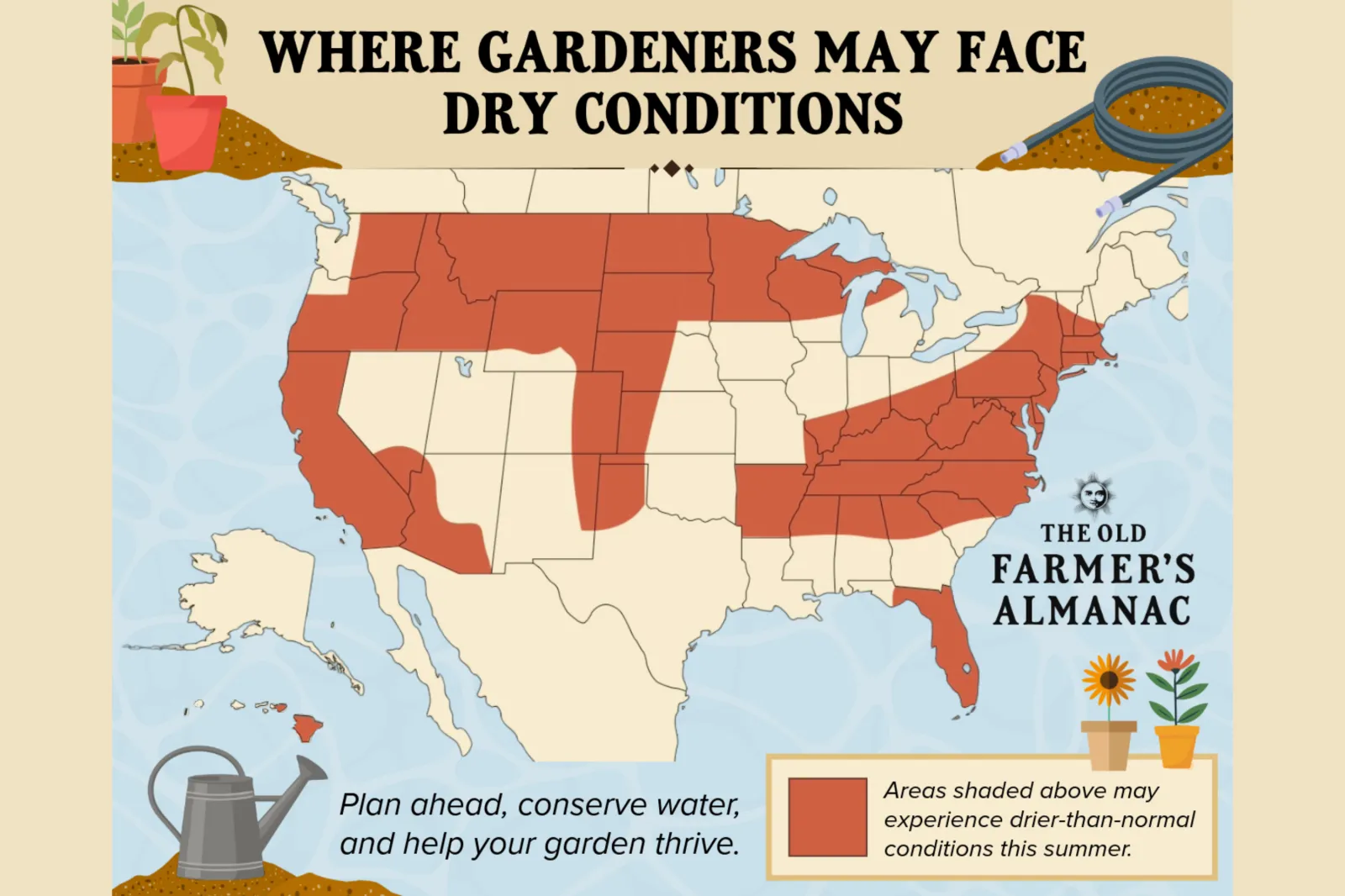
The Almanac warns that dry summer conditions will not be limited to the traditionally arid West—they’re expected to stretch across multiple regions.
While the West and Southwest will remain hotspots for dry weather, the Almanac says the pattern is expanding across much of the country, with several key zones forecast to see below-normal rainfall.
Widespread Dryness Continues Across the West
The most consistent dry conditions are expected in:
- The West and Southwest, where hot, dry summers are already common
- The High Plains, including parts of Colorado, Kansas, and Nebraska
These regions are projected to experience below-average rainfall alongside above-average temperatures.
Northern Tier Faces Extended Dry Stretches
The Almanac highlights a broad band of dryness stretching across the Northern U.S., including:
- Parts of Idaho, Montana, and the northern Plains
- Extending eastward into the upper Midwest, including areas like Michigan
This “northern tier” corridor could see longer dry stretches between rainfalls, making it harder for soil to retain moisture.
Dry Conditions Spreading East
Importantly, the dry pattern is also expected to affect parts of the east:
- A corridor from the Northeast down the Atlantic coast
- Sections of the Ohio Valley
- Parts of the Southeast and Florida
In some of these regions, the forecast is mixed, with occasional storms—but overall, the trend still leans toward periods of limited rainfall and higher evaporation.
What the 2026 Forecast Means
According to the Almanac, the predicted combination of heat and inconsistent rainfall could create multiple challenges:
- Soil dries out faster, reducing the moisture available to roots
- Plants become stressed, leading to slower growth, wilting, or reduced yields
- Lawns and shallow-rooted plants struggle first
- Gardeners could face higher water usage and may have to make tough decisions about what to keep alive
What Gardeners Should And Shouldn’t Do In Summer
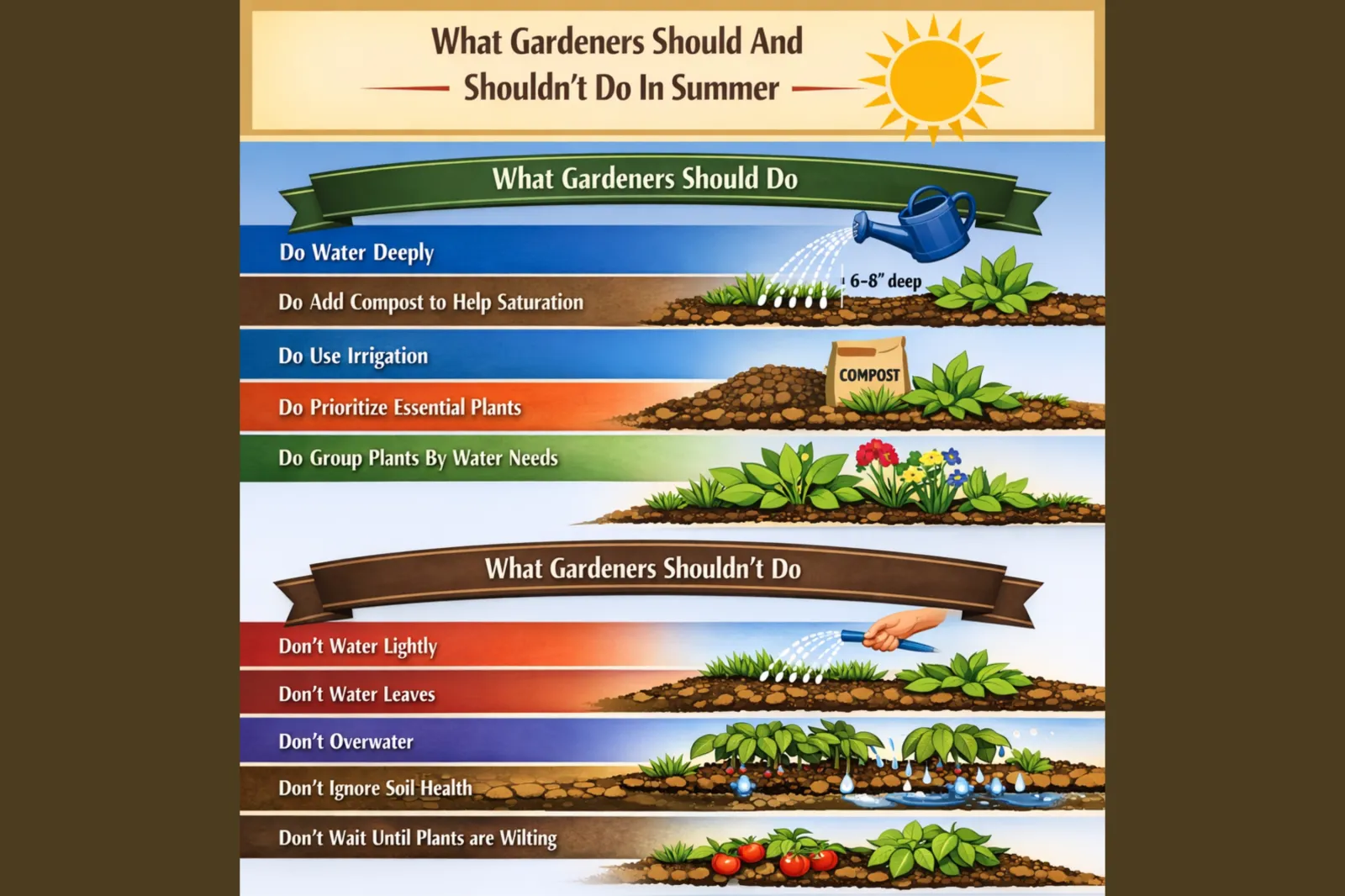
What Gardeners Should Do During Summer
Adapting early is critical. Key strategies focus on water efficiency, soil health, and plant resilience.
1. Water deeply and strategically
- Water less often, but more thoroughly, ensuring moisture reaches 6-8 inches down into the root zone.
- Water early in the mornings to avoid evaporation in the midday heat
2. Improve soil moisture retention
- Add compost or organic matter to help the soil hold water.
- Apply mulch, which keeps the soil cooler and reduces evaporation.
3. Use efficient watering systems
- Install drip irrigation or soaker hoses to deliver water directly where it’s needed.
4. Prioritize and plan
- Focus water on essential plants, like vegetables or newly planted areas.
- Consider swapping in drought-tolerant or native plants that need less water.
5. Build long-term resilience
- Healthy soil acts like a sponge, helping gardens survive dry stretches.
- Group plants by water needs to avoid overwatering some while underwatering others.
What Gardeners Shouldn’t Do During Summer
Equally important, experts warn against common mistakes that can make dry conditions worse:
- Don’t water lightly and frequently: Shallow watering encourages weak roots and increases evaporation.
- Don’t water leaves: Overhead watering wastes water and can promote fungal diseases.
- Don’t overwater: Too much water can be as damaging as too little, leading to root issues and disease.
- Don’t ignore soil health: Poor soil cannot retain moisture, making plants far more vulnerable during heatwaves.
- Don’t wait until plants are visibly stressed: By the time plants wilt, they may already be experiencing significant damage.
Best Plants for Dry Summer Conditions
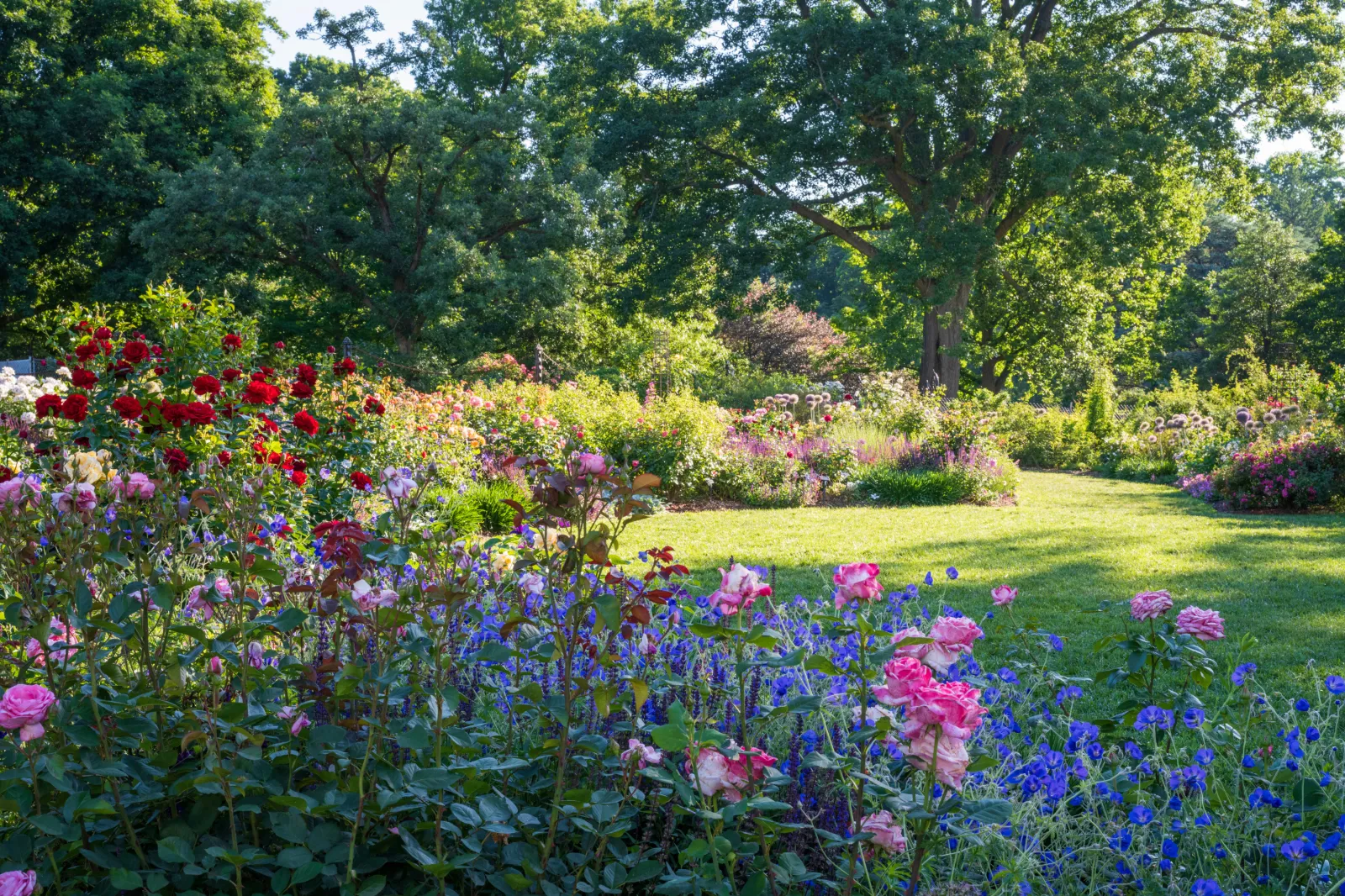
Gardeners are increasingly turning to drought-tolerant varieties that can survive with less water.
These plants have adapted to dry conditions, and often have deep root systems or moisture-retaining leaves that help them endure heat.
Native and Low-Water Plants
Among the best options because they’re naturally suited to local climates and typically need less irrigation once they’re established.
Plants from dry regions, such as the Mediterranean, also perform well in hot conditions.
Reliable Drought-Tolerant Choices
Popular options include:
- Lavender
- Coneflower
- Yarrow
- Russian sage
- Black-eyed Susan
These plants can continue to grow and bloom even when water is limited.
A Shift in How We Garden
While a hot, dry summer can be challenging, the guidance is clear: Gardens can still thrive with the right preparation. By conserving water, strengthening soil, and choosing resilient plants, gardeners can protect their landscapes—and avoid watching them wither under the intensifying summer heat.
Read the full article here
