

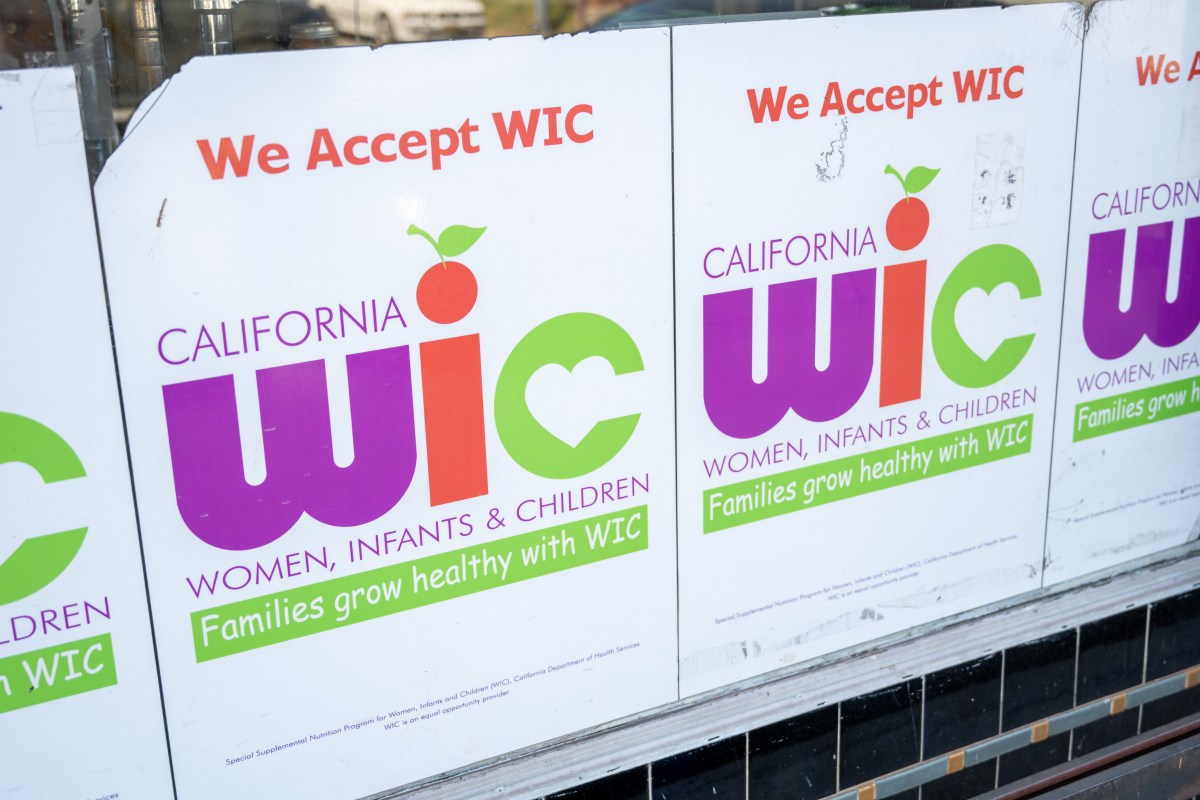
Millions of American families with young children could be leaving money and critical nutrition support on the table. Despite decades of evidence showing health benefits for mothers and children, the federal Women, Infants, and Children (WIC) program remains significantly underused.
The latest federal data from the Center on Budget and Policy Priorities shows that only about 56 percent of eligible people were participating in WIC in 2023, meaning more than 4 in 10 people who qualify are not enrolled.
Why It Matters
WIC is designed to improve health outcomes for pregnant women, infants, and young children, including better birth outcomes and improved long-term development. Yet participation gaps persist nationwide. This likely stems from confusion over eligibility as well as the stigma around receiving benefits.
With food prices still elevated and many families facing economic pressure, failing to enroll could mean missing out on hundreds or even thousands of dollars per year in food support and health services.
What To Know
Roughly 11.8 million people were eligible for WIC in 2023, but only about 6.6 million were enrolled on average each month, according to the U.S. Department of Agriculture.
While participation has begun rising again after years of decline, reaching about 6.7 million people per month in 2024, the program still does not reach a large share of eligible families.
Children ages 1 to 5 make up the largest share of participants, accounting for about half of recipients.
“The barriers aren’t laziness or apathy. They’re structural and stigma at the checkout counter,” Michael Ryan, a finance expert and the founder of MichaelRyanMoney.com, told Newsweek.
“Rigid brand and size restrictions that make shopping feel like a test you can fail. In person enrollment requirements that assume you have transportation, childcare, and time off work. Immigrant families who believe (incorrectly) that using WIC will hurt a green card application. That fear alone keeps tens of thousands of eligible children from being fed.”
What Is WIC?
WIC, the Special Supplemental Nutrition Program for Women, Infants, and Children, is a federal program run by the U.S. Department of Agriculture (USDA). It provides:
- Supplemental healthy foods
- Nutrition education
- Breastfeeding support
- Referrals to healthcare and social services
Created in the 1970s, the program expanded steadily for decades, peaking in 2010 with more than 9 million participants before declining and then rebounding in recent years.
While research consistently shows WIC improves health outcomes for families, millions still do not participate even when eligible.
“Every $1 spent on WIC saves two and a half dollars in medical, educational, and productivity costs down the line,” Ryan said. “Skipping WIC doesn’t save money, it just moves the bill to the ER, the school system, and Medicaid.”
Many households are often unaware that WIC even exists, let alone that they may qualify for benefits, and retailers accepting WIC may be difficult to locate in urban food deserts and rural areas, said Drew Powers, the founder of Illinois-based Powers Financial Group.
“WIC also carries some structural and societal baggage,” Powers told Newsweek. “The qualification for WIC requires an application and interview process that may be difficult to schedule for a working mother with limited time off, and using WIC at the checkout line is still stigmatized.”
Who Is Eligible for WIC Benefits?
To qualify for WIC, applicants generally must meet three criteria. There are several category requirements:
- Pregnant women
- Postpartum or breastfeeding mothers
- Infants
- Children under age 5
Household income must also be at or below 185 percent of the federal poverty level. Families already receiving programs like SNAP, Medicaid, or TANF often automatically qualify.
What Benefits Does the WIC Program Offer?
WIC benefits are tailored to nutritional needs and typically include:
- Milk, eggs, cheese, and yogurt
- Whole grains and cereal
- Fruits and vegetables
- Infant formula and baby food
- Nutrition counseling and breastfeeding support
Benefits are delivered through an EBT card, which works like a debit card at checkout.
How Much Money, on Average, Do Parents Get From WIC?
WIC does not provide cash payments but offers a set monthly value of food benefits.
Average benefits vary by state but are typically around $50 to $125 per person per month. The federal baseline amounts include about $26 for children, $47 for pregnant/postpartum participants, and $52 for breastfeeding participants in fruit and vegetable benefits alone, according to the USDA.
What Grocery Stores Accept WIC EBT Cards?
WIC benefits can be used at authorized retailers, including:
- Major chains such as Walmart, Target, Kroger, and Publix
- Discount stores such as Aldi and Dollar General
- Local grocery stores and neighborhood markets
- Some pharmacies and farmers markets
Most states offer a store locator tool or mobile app to find approved retailers nearby.
How To Apply for WIC Benefits
The application process is typically straightforward:
- Apply online or by phone through your state WIC office
- Schedule an appointment at a local clinic
- Provide documentation, such as income, ID, and address
- Attend a short health screening and nutrition assessment
- If approved, receive benefits on an EBT card
Many states now allow initial steps to be completed online, making enrollment easier than in the past.
What Happens Next?
Federal and state agencies are continuing efforts to boost participation, including expanding online enrollment and modernizing shopping options like mobile apps and online purchasing.
For families with children under 5, it’s worth checking if you qualify, experts say.
“The impact is significant because WIC provides nutrition support, breastfeeding help, screenings, and referrals tied to healthier pregnancies and young children,” Alex Beene, a financial literacy instructor for the University of Tennessee at Martin, told Newsweek.
Read the full article here
