

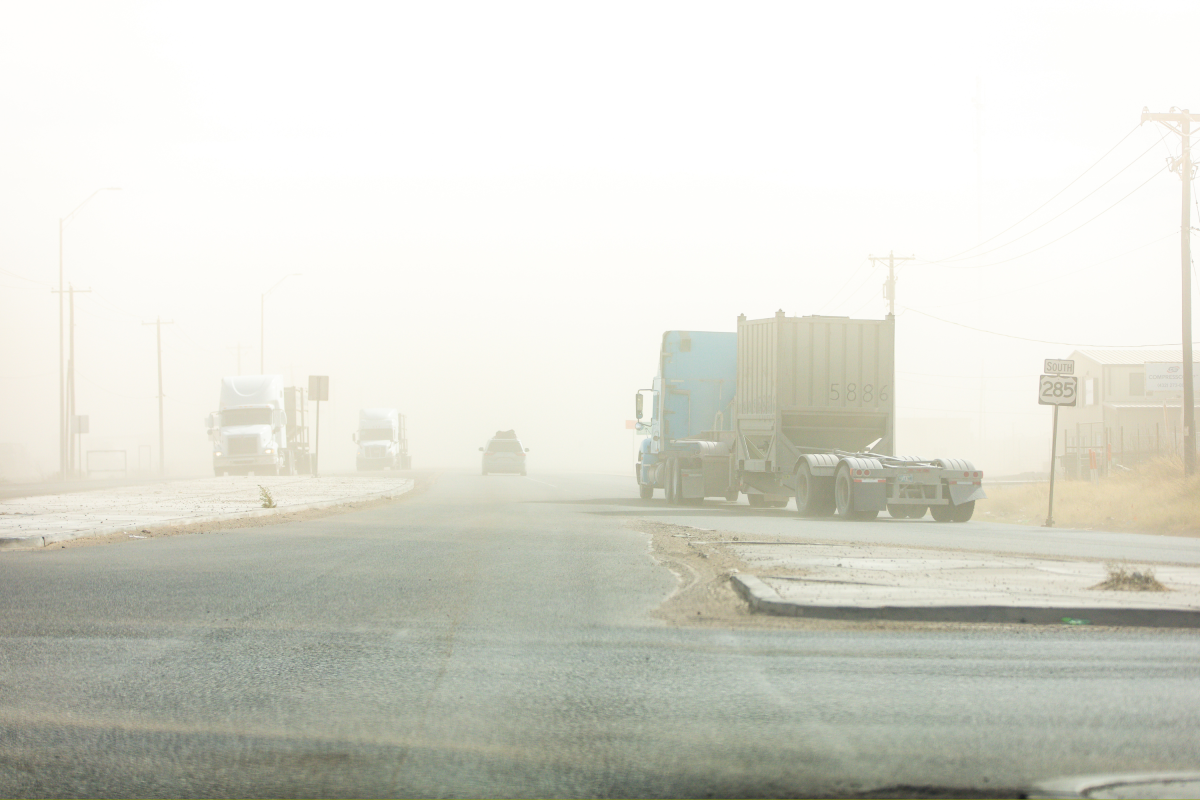
Parts of Texas, Louisiana and Arkansas are under air quality alerts as pollution levels rise across the region, according to data from the U.S. Environmental Protection Agency’s AirNow map and monitoring system.
The AirNow map shows pockets of “unhealthy” to “very unhealthy” air quality across the three Southern states, with elevated pollution levels increasing health risks for millions of residents, particularly children, older adults and people with respiratory conditions.
Why It Matters
Poor air quality can affect anyone, but health experts warn that children, older adults and people with asthma, lung disease or heart conditions face a greater risk of serious health effects.
Air quality alerts have become increasingly common across parts of the United States as heat, emissions and changing climate conditions contribute to more frequent pollution episodes.
Who Is Most at Risk
While poor air quality can affect everyone, certain groups are especially vulnerable. These include:
- Children, whose lungs are still developing
- Older adults
- People with asthma or chronic lung disease
- Individuals with heart conditions
These populations are more likely to experience severe effects when air quality is rated “unhealthy” or “very unhealthy.”
Health experts warn that both ozone and particulate matter pose significant risks. Ozone can irritate the respiratory system, causing coughing, throat irritation and chest tightness, while also reducing lung function and aggravating asthma.
Fine particulate matter is even more dangerous because it can penetrate deep into the lungs and even enter the bloodstream, leading to serious health issues. Exposure has been linked to heart disease, lung disease and premature death.
What Residents Should Do
Officials typically recommend several precautions during air quality alerts to reduce exposure:
- Limit outdoor activity, especially strenuous exercise, during peak afternoon hours
- Stay indoors when possible and keep windows closed
- Use air conditioning or air purifiers to improve indoor air
- Check local updates regularly using tools such as AirNow
Even healthy individuals may experience symptoms such as eye irritation or shortness of breath during periods of elevated pollution, underscoring the importance of monitoring conditions.
Why Air Quality Is Worsening
Air pollution episodes in the Southern United States are often linked to a combination of weather patterns and emissions.
Ground-level ozone, commonly known as smog, is not emitted directly, but forms when pollutants such as nitrogen oxides and volatile organic compounds react in sunlight, particularly on hot days.
That means the region’s typical early-summer heat, combined with strong sunlight and relatively stagnant air, can create ideal conditions for ozone buildup.
At the same time, particulate pollution (PM2.5 or PM10) can come from vehicle exhaust, industrial activity, dust and, in some cases, smoke transported from fires or agricultural burning.
Climate-related factors are also playing an increasing role. Rising temperatures and drought conditions can intensify ozone formation and worsen air quality.
A Growing Concern
Air quality alerts are becoming more common across parts of the United States, where a mix of heat, emissions and changing climate conditions is making pollution episodes more frequent.
As temperatures rise heading into summer, air quality officials will continue monitoring conditions across the region and issuing alerts when pollution levels reach unhealthy thresholds.
Read the full article here
