

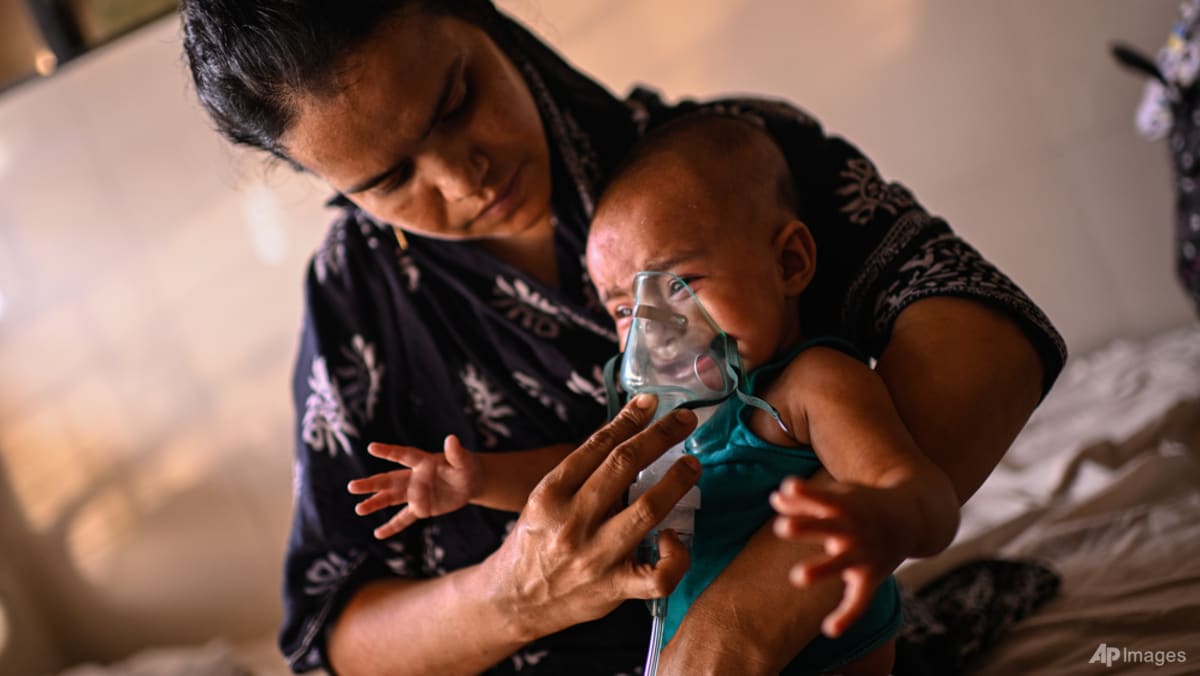
In an ideal world, attention would reflect the true scale of harm. In reality, diseases that are unfamiliar or poorly understood command more attention, while routine killers fade into the background.
WHAT COMMANDS MORE ATTENTION
This asymmetry is, unfortunately, easy to comprehend. After the trauma of COVID-19, infectious disease threats tend to be seen through the lens of whether they could be the next pandemic.
The Andes virus outbreak strikes all the right notes for public and media attention: The virus is rare and deadly, the only known rodent-borne hantavirus capable of transmitting between humans. The outbreak happened on a polar cruise ship, something many people might have on their “bucket list”.
Passengers and crew disembarked or were repatriated to multiple countries, including France, Spain and Canada where a few isolating individuals subsequently tested positive for the virus. Two Singapore residents who were passengers tested negative and were quarantined for 30 days from the date of last exposure as a precaution.
Ebola (of which the Bundibugyo virus is one species) is equally deadly and, scientifically and operationally, far more challenging to deal with. There are no approved vaccines or treatment for the Bundibugyo virus, and the outbreak is in a longstanding and volatile conflict zone.
It picked up more attention after May 17, when the World Health Organization declared the outbreak a Public Health Emergency of International Concern (PHEIC). This formal declaration does not mean there is a global pandemic threat. Rather, it reflects the severe impact to affected communities, high regional risk and the need for a coordinated international response.
But as this is the ninth Ebola outbreak in Africa this decade, seven of which have been in the DRC alone, it is perceived as being of lower risk outside those areas.
Read the full article here
