

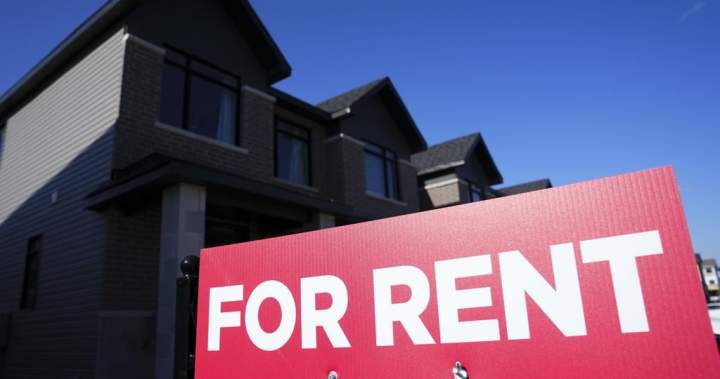
A Nova Scotia senior looking to sell his home and downsize says he’s worried he won’t be able to afford a rental unit in Halifax.
Housing experts say the city’s high rental costs are discouraging homeowners from selling and, in return, are creating a barrier for younger generations.
“When you consider what’s ahead of you and the unknowns, it becomes kind of a risky deal,” said Gary MacLeod.
The 79-year-old and his wife have been living in their home in the rural community of Sambro, about 20 kilometres outside Halifax, for decades.
The two are ready for change and plan to move closer to the city, so they can easily access amenities like hospitals and grocery stores. But MacLeod is worried his pension won’t keep up with rising rent prices, even if they sell their home.
“It’s a gamble for me and my wife to stay in our home, depending on our health,” he said.
“And by doing that, it’s just locking up the housing market for some young person with a family.”

Get daily National news
Get daily Canada news delivered to your inbox so you’ll never miss the day’s top stories.
MacLeod is especially concerned that the province’s temporary rent cap won’t be reinstated once it expires in late 2027. The cap currently prevents landlords from raising rents by more than five per cent annually.
Canadian Mortgage and Housing Corporation (CMHC) data shows Halifax’s vacancy rate is improving but significant pressure at the bottom of the market persists; About 0.7 per cent of apartments priced at $1,349 or less a month are vacant.
“There’s now that growing gap right between rents paid by certain tenants who are protected by rent cap and new renters,” said Kelvin Ndoro, an economist with CMHC. “Seniors who are downsizing are facing the highest prices at the point of entry.”
As for those looking to buy a house, he says prices have nearly doubled since before the pandemic.
“When we compare house prices right now to what they were in 2019, they are 94 per cent higher,” he said.
A May report from Rentals.ca shows asking rent prices in Halifax are still more than $200 above the national average. That means long-term renters and homeowners are hesitant to move, continuing the cycle.
“The stagnation of downsizers and seniors not being able to sell their home and move to a rental apartment kind of clogs up the housing market, which then clogs the rental market. So, everything is kind of connected,” said Giacomo Ladas, communications director with Rentals.ca.
He adds that while a more affordable housing supply will ease the problem, it won’t come overnight.
“We’re nowhere close,” said Ladas.
“And the way to get that is to have so much supply that eventually these prices come down.”
Read the full article here
