

The U.S. Defense Department is facing $1 billion in unexpected fuel costs, a new report shows, and the hike is likely to hit fuel-thirsty American military aircraft such as bombers the hardest as the world reels from unpredictable oil and gas prices amid the U.S.’s ongoing war in Iran.
The Pentagon has budgeted $195.72 a barrel on fuel on average for the six months between April and the start of October, according to documents published by the Defense Logistics Agency, which handles supply chains for the Pentagon.
The figure marks an almost 27 percent increase from the $154.14 that the Office of the Under Secretary of Defense (Comptroller), the Defense Department’s main financial management office, budgeted for the previous half-year period between October 2025 and April 2026, the documents show.
This means the U.S. military could be staring down more than $1 billion in unanticipated costs for operations, such as moving troops or keeping jets in the air, based on its fuel consumption from recent years, ABC News reported on Wednesday.
Fuel Costs Likely To Hit Bombers, Tanks Hard
The U.S. military uses many different types of fuel, including jet fuel and diesel.
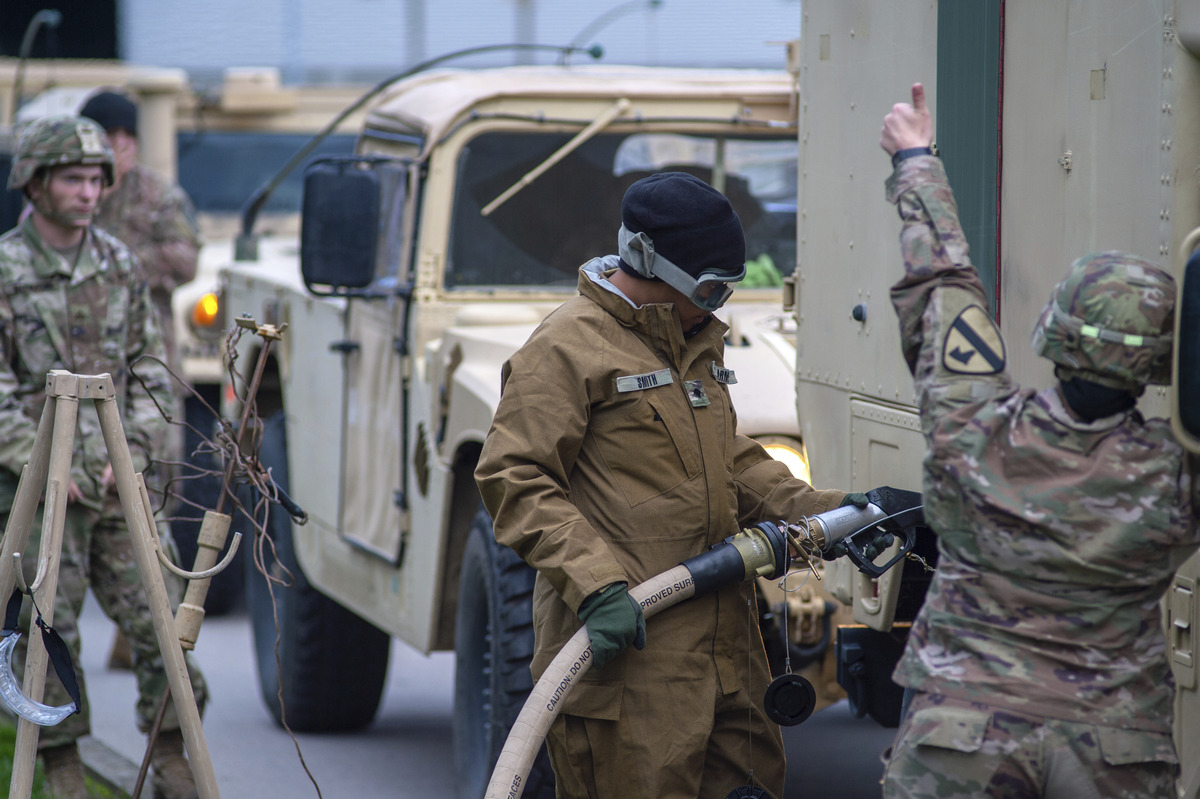
The Department of Defense is the single biggest fuel consumer in the world, expending over $20 billion annually on 4.6 billion gallons of fuel, according to the specialist Air and Space Forces magazine.
Of all the branches of the U.S. military, the Air Force uses roughly half of all fuel, the magazine reported.
Some aircraft consume more fuel than others. The U.S.’s B-2 Spirit stealth bomber—several of which dropped 30,000-pound bombs on Iranian nuclear sites in June 2025—manages about 0.28 miles per gallon of fuel, according to the aviation site Simple Flying, or less than half of what a nearly 200-seater commercial aircraft can do.
The U.S. Army’s M1 Abrams tank, meanwhile, earned its “gas guzzler” nickname because it has a gas turbine engine, not a traditional diesel engine. Other armored vehicles, including the Bradley infantry fighting vehicle that quickly became popular with Ukrainian forces fighting Russian troops, still use large amounts of fuel, but they burn through fewer gallons than the Abrams.
Military Cuts Amid Rising Fuel Costs
Fuel costs across the world have yo-yoed since the start of the U.S. and Israel’s war with Iran on February 28, fluctuating depending on whether a deal to reopen the vital Strait of Hormuz shipping lane appeared imminent.
Iran has controlled the narrow waterway, which typically sees a fifth of the world’s oil and gas supplies, for more than three months, creating fears of fuel shortages.
U.S. threats and talks between American and Iranian officials have so far failed to break the deadlock, and the U.S. has come under increasing pressure to clear the backlog of fuel-laden ships stranded near the strait.
The Pentagon’s comptroller said it had adjusted its Standard Fuel Price—which it sets to help budget against fuel price swings—from April 1 because of “volatility” in global oil markets causing costs to surge.
The jump in Standard Fuel Price will “increase risk” for the U.S. military and pose a “resource challenge” for U.S. forces, the financial office said.
The U.S. Army has already been forced to cut costs in areas such as troop training because of a shortfall of up to $6 billion in the remaining months up to the end of September, ABC reported, citing anonymous U.S. officials and internal documents.
On top of the demands of the Iran war, the U.S. military has also carried out more missions on the southern border with Mexico, continued its strike campaign on alleged drug traffickers in the Caribbean and Pacific, and expanded the National Guard’s presence in cities such as Washington, D.C.
The chief of U.S. naval operations, Admiral Daryl Caudle, told U.S. lawmakers last month that the budget for the 2026 financial year “didn’t bake in” the Iran war.
Without fresh funding, the U.S. Navy will have to cut training, certain operations and personnel as soon as July, Caudle said.
Read the full article here
