

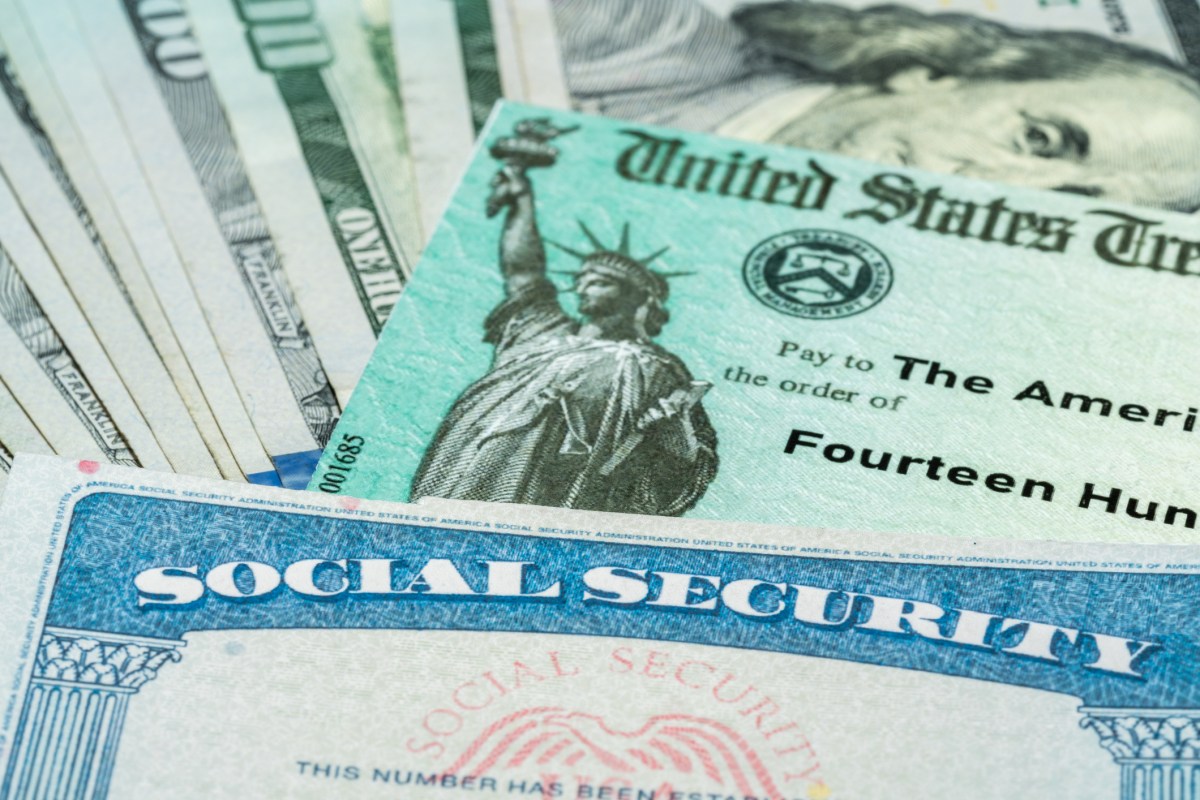
Hundreds of thousands of Social Security recipients who still receive paper checks will soon need to switch to electronic payments as the federal government completes a yearslong transition away from paper disbursements.
Under an executive order signed by President Donald Trump, federal agencies including the Social Security Administration (SSA) will be required to issue most payments electronically after September 30, 2025. The change affects Social Security benefits, Supplemental Security Income (SSI), Social Security Disability Insurance (SSDI), tax refunds and other federal payments.
For most beneficiaries, the shift will have little impact because they already receive their payments electronically. But those who still rely on paper checks may need to take action before the new requirements take effect.
Why Is the SSA Stopping Paper Checks?
The change stems from Executive Order 14247, signed in March, which directs federal agencies to move to electronic payment systems wherever possible. It is part of a broader federal effort to modernize government payment systems and reduce remaining reliance on paper checks. The SSA has also pointed to fraud and delivery concerns.
According to the executive order, all federal disbursements are now expected to be delivered through electronic methods such as direct deposit, debit and prepaid cards, digital wallets and real-time payment systems.
The Trump administration said maintaining paper-payment infrastructure is expensive and less secure than digital alternatives. The executive order says that federal agencies spent more than $657 million in fiscal year 2024 maintaining systems used to process paper records and payments.
The Trump administration said the move is intended to “defend against financial fraud and improper payments, increase efficiency, reduce costs, and enhance the security of Federal payments.”
In a recent agency blog post, officials said paper checks are “16 times more likely to be lost, stolen, altered, or returned undeliverable than electronic payments.”
The agency cited Treasury Department data showing it costs an average of $3.07 to print and mail a paper check, compared with a fraction of that amount for an electronic transfer.
The SSA said the transition is intended to be as smooth as possible, including for seniors, people with disabilities and those who do not have traditional bank accounts.
The SSA is not the only federal agency affected by the policy. The Internal Revenue Service is also implementing the executive order’s requirements for electronic payments, including tax refunds.
While electronic payments will become the default method, the executive order allows exemptions in limited circumstances.
Individuals without access to banking services or electronic payment systems may qualify for waivers. Additional exemptions may apply in emergency situations, certain law-enforcement or national-security cases, or other circumstances approved by the Treasury Department.
The SSA has also indicated that beneficiaries living in remote areas or facing challenges related to mental health or access to financial institutions may be able to request exceptions.
How To Switch To Electronic Payments
The SSA is urging beneficiaries who still receive paper checks to make the switch as soon as possible.
Recipients can enroll in direct deposit by creating or signing into their My Social Security account and adding their bank account information. Banks and credit unions can also submit direct-deposit information electronically on behalf of customers.
For people who do not have a traditional bank account, benefits can be deposited onto a Direct Express prepaid debit card.
The agency says switching before the deadline can help avoid payment disruptions and ensure benefits continue arriving on time.
Read the full article here
