

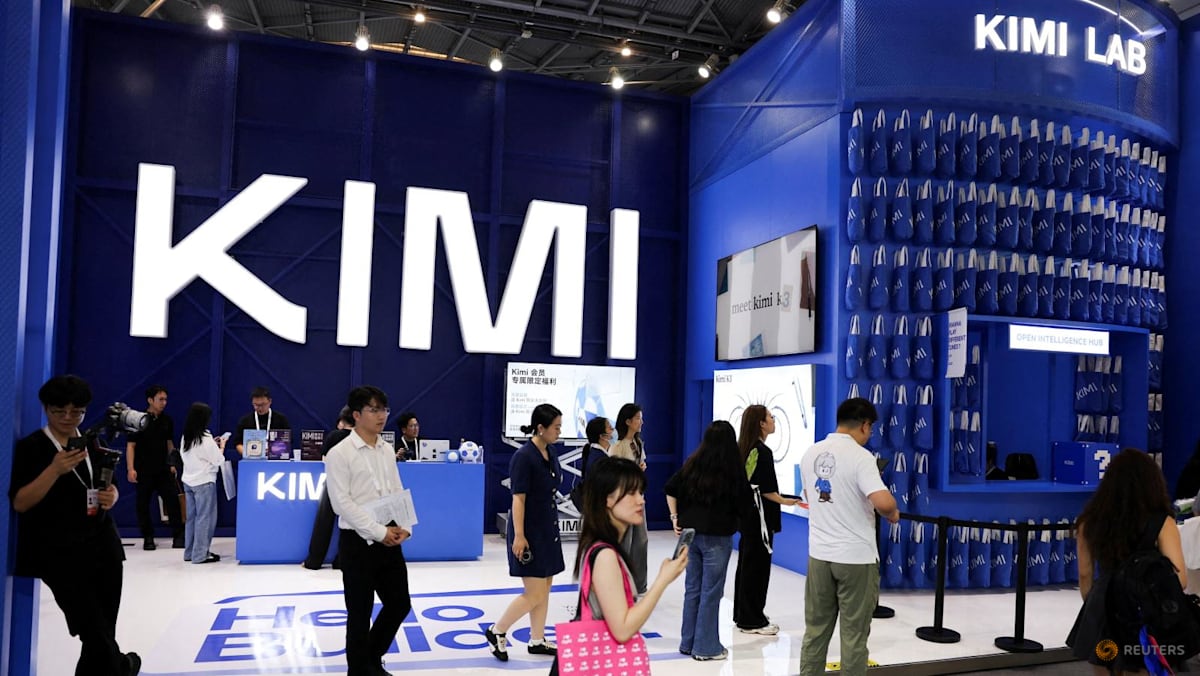
SHANGHAI: Chinese startup Moonshot AI has temporarily paused new subscriptions after demand for its newly launched Kimi K3 model strained capacity, a bottleneck that comes as the company seeks fresh funding and prepares for a potential Hong Kong listing.
Moonshot is in the process of unwinding its current offshore structure ahead of a Hong Kong initial public offering, two sources with knowledge of the matter said.
The company has engaged financial advisers, including Goldman Sachs and China International Capital Corp, to discuss the IPO plan, although the timetable remains fluid, said one of the sources and a third person with knowledge of the IPO plan, declining to be named as the information was confidential.
CICC did not immediately respond to a request for comment. Goldman Sachs and Moonshot declined to comment.
Founded in 2023 by Yang Zhilin, an AI researcher who pursued doctoral studies at Pittsburgh-based Carnegie Mellon University, Moonshot is one of China’s most closely watched AI startups.
It raised more than US$2 billion in May from investors including Meituan, China Mobile and CPE, according to a fundraising teaser seen by Reuters, bringing the company’s total historical fundraising to over US$5.5 billion.
It has since begun seeking up to US$2 billion in fresh capital, with its valuation reaching US$30 billion in June, the teaser showed.
Strong demand for increasingly powerful models is boosting investor interest in China’s leading AI startups, but it is also raising the need for costly computing infrastructure.
Moonshot’s competitors, including DeepSeek, have recently sought external capital to expand compute capacity as Chinese AI firms race to narrow the gap with US rivals.
Moonshot said on Sunday that since Kimi K3’s release, it has drawn massive user interest, leading to “unprecedented compute challenges”.
Over the past 48 hours, user requests had sharply exceeded forecasts and were approaching the limits of existing clusters, the company said.
Moonshot said it would pause new consumer subscriptions immediately and allocate available computing power to current paid users, who would be unaffected by the shortage.
The company also said it would split future memberships into two plans, including one just for coding, a move aimed at matching compute resources more precisely with user demand.
Read the full article here
