

Published on
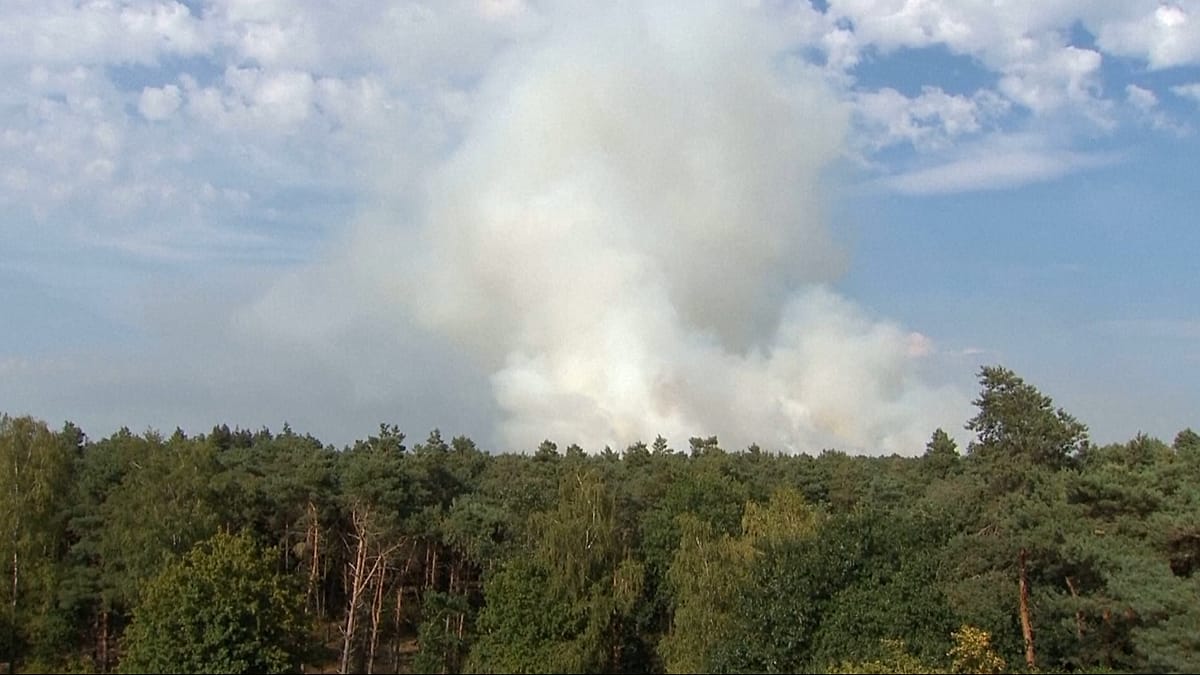
Firefighters are rushing to contain a forest blaze in the southeast of the Netherlands that spread overnight to engulf 100 hectares on Tuesday, authorities said.
It was the latest in a string of wildfires to hit western Europe, following deadly heatwaves that have dried up riverbeds and vegetation, extreme weather events scientists have linked to human-made climate change.
The fire started around Monday afternoon in a nature reserve near the village of Oostrum in Limburg province, close to the border with Germany.
The blaze spread to 100 hectares as of early Tuesday and was still not under control, provincial authorities said on their website.
The winds kept changing direction and sped up the fire’s spread, a regional safety spokesperson told the ANP news agency.
Around 300 emergency workers took part in containing the blaze overnight and firefighting helicopters were set to resume operations on Tuesday morning, authorities said.
A nearby campsite was evacuated and trains passing through the area were suspended.
“Because of the drought, fire can spread quickly in nature reserves,” provincial authorities said, without specifying the cause of the fire.
European countries are facing a major drought, marked by dried-up rivers, water restrictions and devastating forest fires, following an unprecedented heat wave in June.
Human-fuelled climate change has accelerated moisture loss from soil, lakes and rivers, heightening the risk of extreme droughts, scientists from World Weather Attribution warned last month.
Additional sources • AFP
Read the full article here
