

BEIJING: South Korea has stepped up inspections of Chinese cabbage imports as a food safety scandal in China involving the vegetables being dipped in formaldehyde stirs regional concern.
Taiwan is also checking whether potentially tainted produce could have reached it indirectly.
The heightened scrutiny comes as China carries out nationwide inspections of perishable vegetables, after authorities in northern Hebei province confirmed on Saturday that formaldehyde – a known carcinogen – had been illegally used to preserve cabbages during transportation.
South Korea began tighter inspections of Chinese napa cabbage imports on Monday (Aug 24).
Its Ministry of Food and Drug Safety said on Wednesday that it had tested eight batches of napa cabbage from China since then, with no formaldehyde detected.
It is also checking with Chinese authorities whether any cabbages implicated in the Hebei case had been exported to South Korea.
Additionally, the ministry is testing kimchi and pickled products made with Chinese napa cabbage that are already circulating in the domestic market, according to South Korean media.
Napa cabbage is a key ingredient in kimchi, the fermented vegetable dish ubiquitous in South Korean cuisine.
South Korean news outlet SBS reported on Wednesday that of the 194,400 tonnes of kimchi imported into the country this year, 99.9 per cent came from China.
CNA has contacted the Singapore Food Agency (SFA) to ask whether checks have been done on cabbages imported from China, and if additional measures have been put in place.
Taiwan has also moved to reassure consumers over the scandal.
The island’s Food and Drug Administration (FDA) said on Monday that there were no records of Chinese cabbages being imported this year, according to local news outlet Taipei Times. Taiwan bars Chinese cabbage from being imported from China.
But concerns were subsequently raised over whether potentially tainted cabbage could have reached Taiwan indirectly through kimchi imported from South Korea.
In a follow-up statement on Tuesday, the FDA said no kimchi or other products made with the cabbage implicated in the scandal had been imported from South Korea.
HOW THE SCANDAL SURFACED
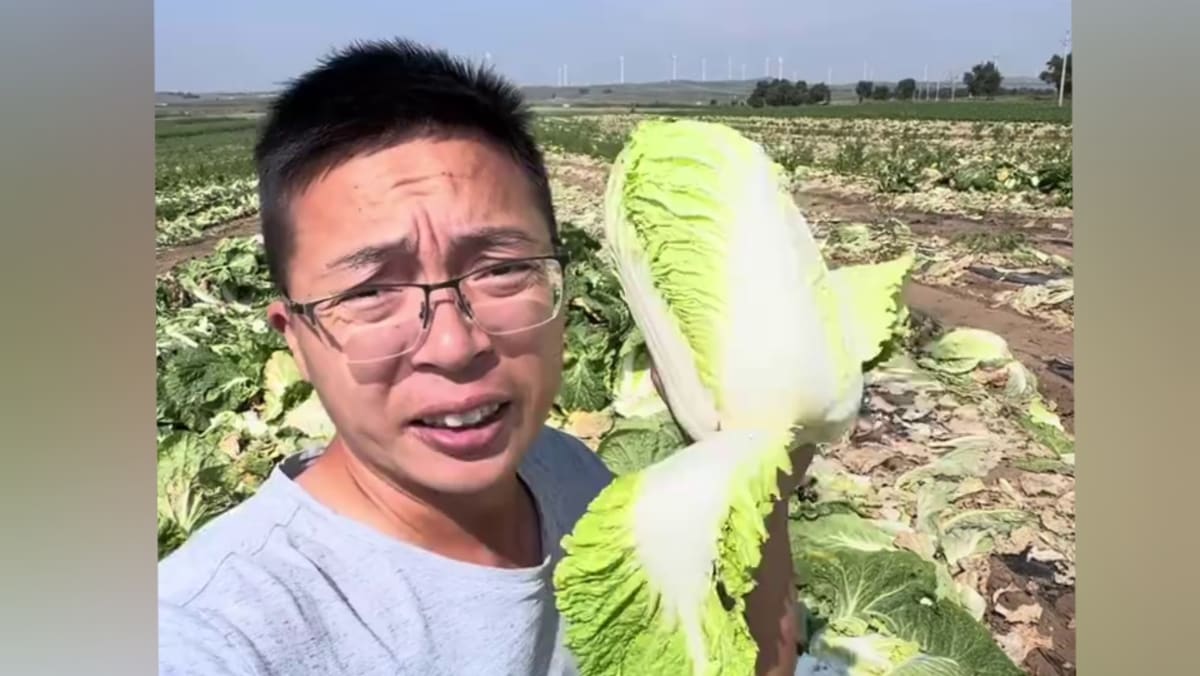
The scandal emerged when a Chinese environmental blogger, known by his handle Qige, posted a video on Douyin on Saturday, claiming that some workers in Tunken township in Hebei’s Kangbao county had dipped cabbages in an alleged formaldehyde solution before loading them for transportation.
In the video, Qige asked the workers dipping the cabbages how long the treatment would keep the vegetables fresh. “Two to three days,” one replied.
Workers in the video said the load was bound for Suqian city in Jiangsu province.
Read the full article here
