

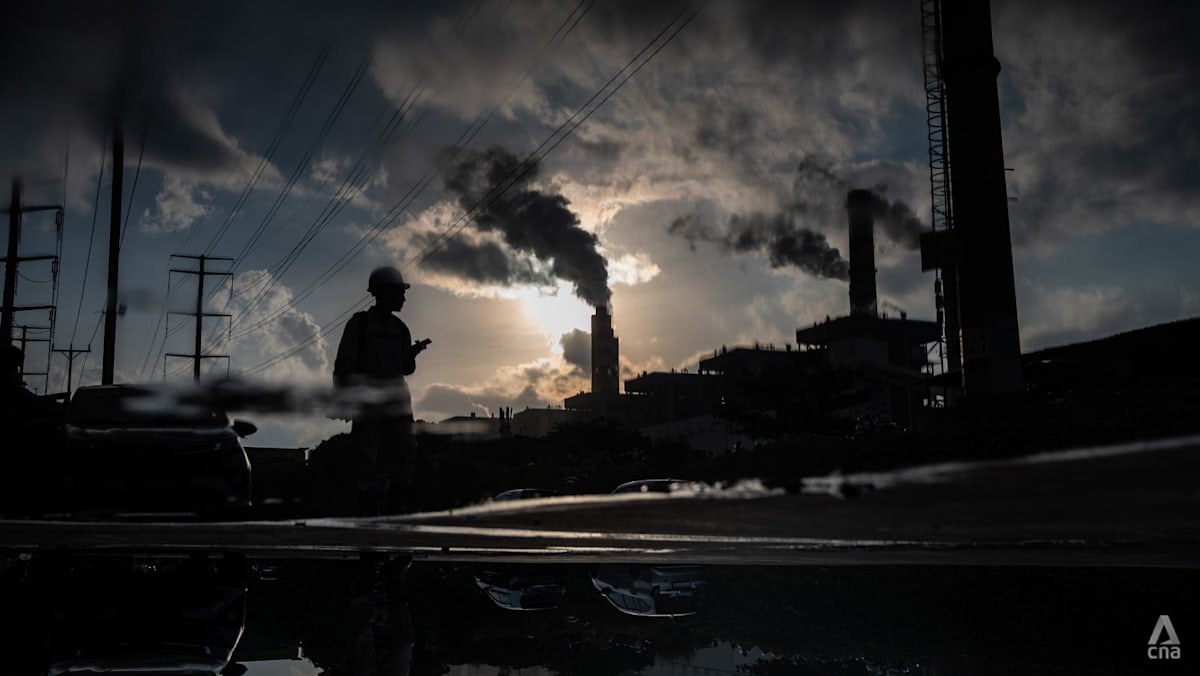
But research firm World Resource Institute warned that decarbonising nickel activities in Halmahera – which lack existing grid infrastructure and large rivers for hydropower generation – might be challenging.
“The only viable clean energy sources are solar and wind, but both face land constraints,” the firm wrote in a paper released on Jan 6.
Indonesia Weda Bay Industrial Park (IWIP) – the firm which manages the nickel production hub in Halmahera – said it is trying to reduce its carbon footprint, targeting a reduction of four million tonnes of carbon dioxide per year.
“Because we intend to reduce emissions, we are currently moving ahead with the installation of solar panels or power cells,” IWIP’s general manager for health, safety and environment Iwan Kurniawan said on Jan 16, as quoted by Kompas.com.
The company is developing a solar farm with a planned capacity of up to two gigawatts, roughly half of the area’s current electricity needs. IWIP, Iwan continued, also plans to develop wind power plants with a capacity of up to 500 megawatts.
The company said that it is also implementing a range of other environmental initiatives such as restoring mined areas by planting trees across more than 40,000 hectares of river catchment areas, using electric trucks to transport nickel ore and developing its own hazardous and toxic waste treatment facility.
It is not clear when these facilities will be operational.
Read the full article here
