

The imbalance is stark.
China’s NEV fleet surged from 4.92 million in 2020 to 31.4 million by 2024, according to official data. By the end of 2025, the number of new energy vehicles in China reached nearly 44 million, accounting for 12.01 per cent of the total number of vehicles.
By contrast, the traditional repair ecosystem – nearly 397,000 companies serving more than 300 million vehicles – was built over decades.
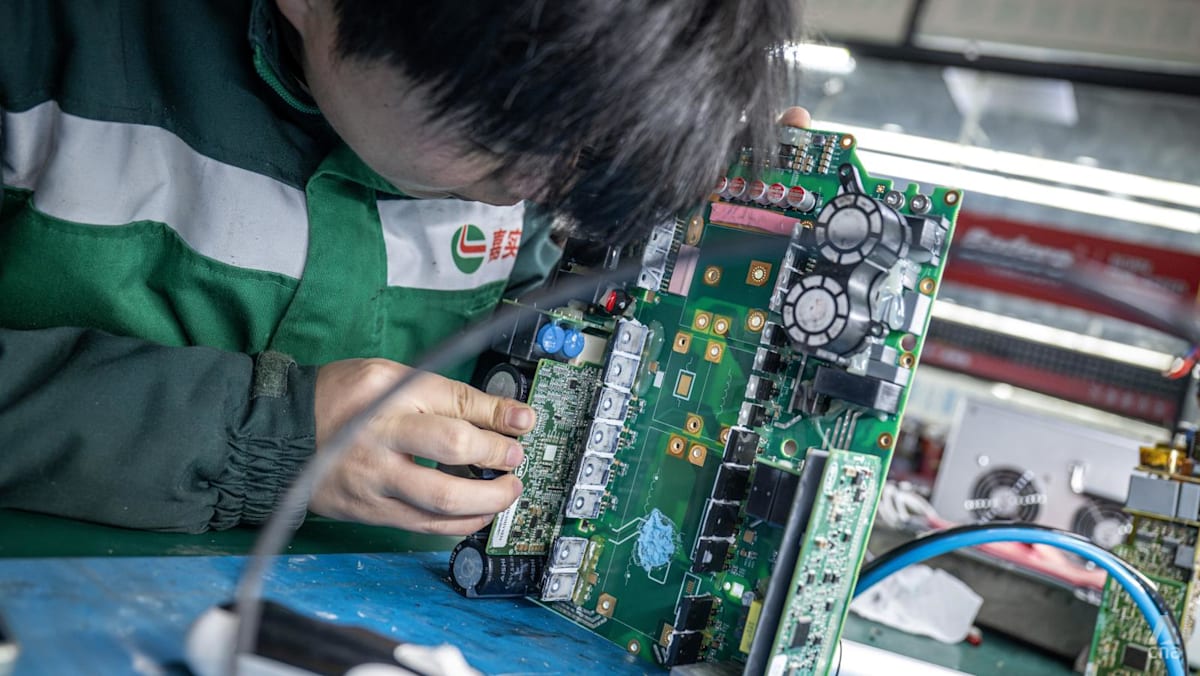
Fewer than 20,000 dedicated NEV repair companies now serve a fleet that has multiplied in just a few years.
Technology may ease some pressure, experts said. AI diagnostics, over-the-air updates and even robotics could reduce reliance on manual labour.
But for now, the bottleneck remains human.
“They’re so important because they’re the touchpoint for brands,” Tu said of front-line workers.
“If you don’t have a robust training programme … (they) probably won’t represent the brand the way you want (it).”
The implications extend beyond China. As EV makers push into Europe and other overseas markets, weaknesses in domestic service infrastructure could become liabilities.
“In foreign markets, they may only have one chance to get it right,” Tu said.
Read the full article here
