Even before the decision by the Pardons Board on Najib’s house arrest, voters had begun to punish the DAP. In the November 2025 Sabah state elections, the party lost all eight seats it contested. It shed support in Johor this July, and in August it watched Mr Loke himself lose his state assembly seat in the Negeri Sembilan polls.
The pattern is unmistakable: DAP’s urban, largely Chinese voters are not defecting – they are abstaining, in protest at the snail’s-pace reforms promised by the Anwar government.
There is also widespread unhappiness over the compromises the party has been forced to make by having UMNO, a party the DAP has long fought against, in government.
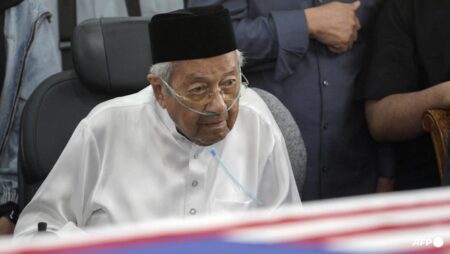
Najib’s conviction for misappropriating RM42 million (US$10.3 million) from SRC International – a scandal linked to 1MDB – was a cause DAP and Pakatan Harapan championed for years. The Najib corruption campaign were central planks on which PH won the 2018 and 2022 general elections.
PH REFORM BRAND QUIETLY DILUTED
But since coming to power, the PH reform brand has been quietly diluted in favour of what is widely being branded as Mr Anwar’s politics of survival through what his critics argue are compromises with UMNO at DAP’s expense.
The case of Najib, who was UMNO chief between 2008 and 2018, perhaps epitomises this.
Although Mr Anwar has said he had flagged concerns about a pardon for Najib to Malaysia’s King Sultan Ibrahim Sultan Iskandar, it was the last straw for Mr Loke.
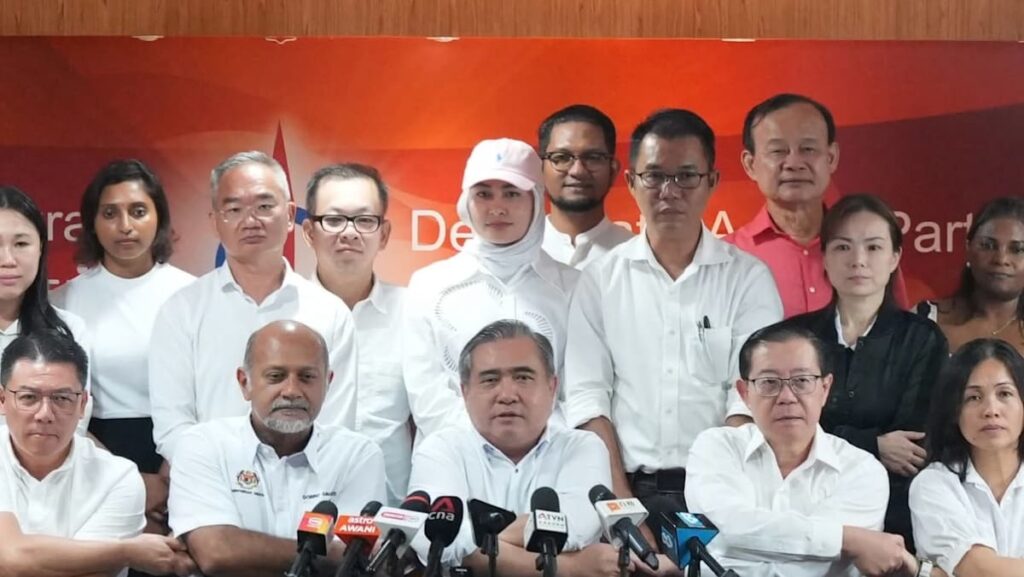
At the press conference announcing his decision to resign, Mr Loke reiterated his party’s stance that Najib’s involvement in the 1MDB scandal represents the “kleptocracy” that has plagued Malaysia for a decade, and a “major crisis” that DAP has consistently fought against.
Read the full article here