

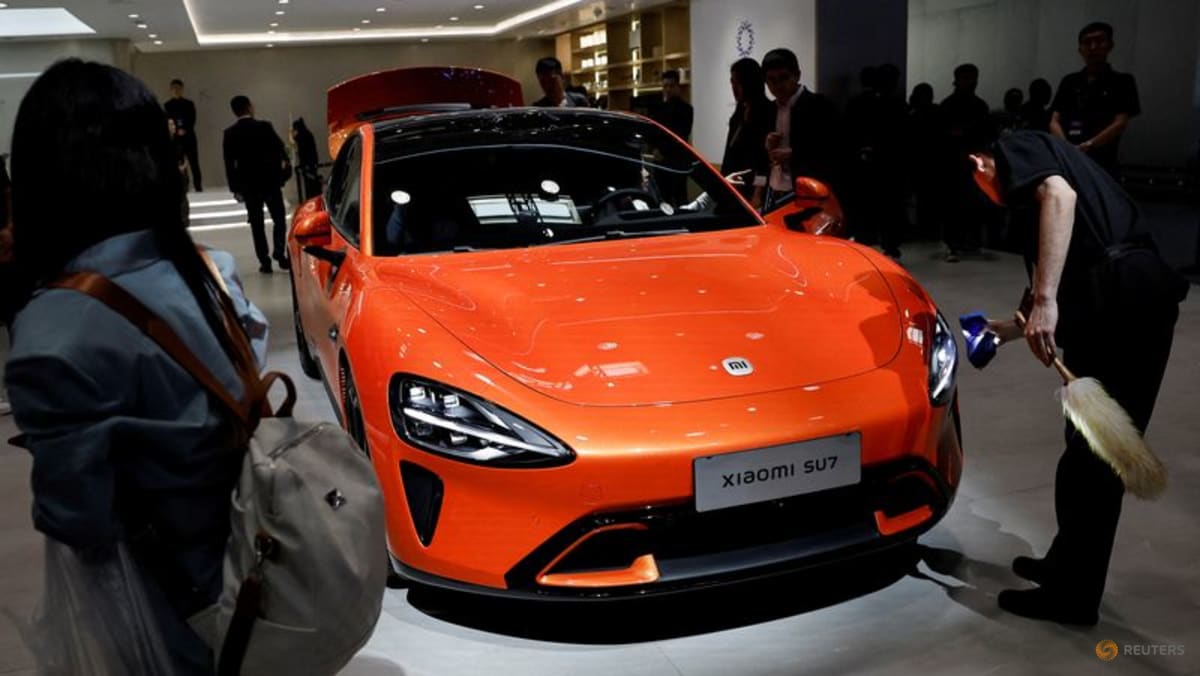
The reaction to Ford’s Chinese tie-ups, both confirmed and alleged, gives an insight into the challenges facing aspirant Chinese entrants.
Responding to reports of the Xiaomi-Ford joint venture, the Republican chair of the House China committee John Moolenaar warned that the deal would be one that “only Xi Jinping could love”. In reality, Beijing has progressively tightened export controls to prevent technology leakage and has been wary of Chinese automakers building plants overseas. However, this does not mean that allowing Chinese investment would be devoid of risk – even if espionage and remote inference concerns involving connected vehicles were addressed.
The US market has acted as a redoubt of sorts for US, European, Japanese and Korean automakers increasingly struggling to compete with Chinese EV manufacturers’ formidable mix of speed, economies of scale, tech nous and enduring state largesse.
It will take time for Chinese automakers to establish themselves in the United States and cater to idiosyncratic US tastes. EVs represented less than 8 per cent of new US auto sales last year. Still, it is an open question whether giving Chinese automakers an American foothold is in the interests of the United States and its allies.
In the short term, much will depend on Trump and whether he is minded to persuade his unwieldy MAGA coalition to let the dragon in.
Henry Storey is Manager of Projects, Research and Analysis at political risk consultancy Dragoman, and was formerly an editor at Foreign Brief and Young Australians in International Affairs. This commentary first appeared on Lowy Institute’s blog, The Interpreter.
Read the full article here
