

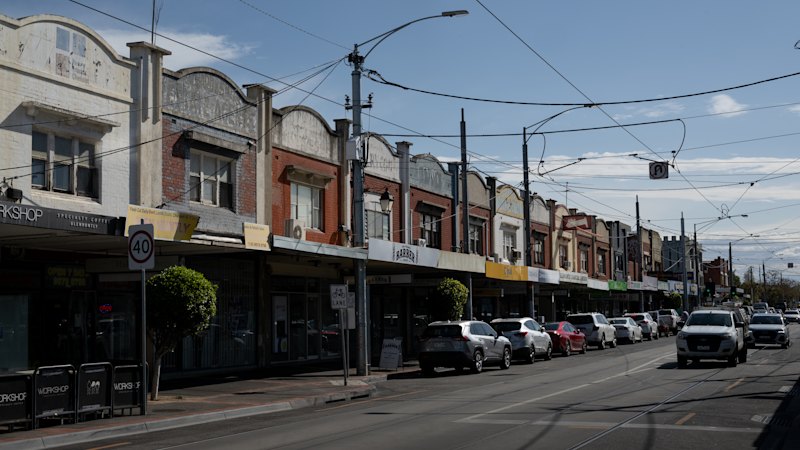
Glen Eira City Council will try to become the first municipality in Melbourne to hike rates above a statewide cap to avoid running out of cash.
In a 6-1 vote on Tuesday night, councillors endorsed applying for an exemption to raise rates to 5 per cent in the coming financial year – almost double the 2.75 per cent cap set by the state government in December.
Council officers who recommended the move warned that the council’s cash reserves were otherwise forecast to fall from $67.4 million to $10.9 million by 2034-35 as costs and rising debt repayments outstrip revenue. The City of Glen Eira covers suburbs in Melbourne’s south-east including Caulfield, Bentleigh and Glen Huntly.
“At this level, we would not have enough short-term funds to meet day-to-day costs or maintain essential services and infrastructure,” the officers’ report said.
Deputy Mayor Li Zhang moved the motion for a 2.25 per cent rate cap variance and said the council had already tried to reduce costs elsewhere, including by closing early learning centres and exiting in-home aged care.
“But there comes a point where you can’t keep cutting without starting to cut into the basics,” she said.
The independent state body Essential Services Commission will decide on Glen Eira’s application for a higher rate cap later this year.
Councils across Victoria have long warned about their parlous finances as costs soar and rate-capped revenue fails to keep up.
Glen Eira has historically had some of the lowest rates in Melbourne, which became locked in when the Andrews government introduced a rate cap for the 2016-17 financial year.
The cap is linked to consumer price index (CPI) estimations to stop excessive increases, but the Municipal Association of Victoria says this does not accurately reflect council expenses from sectors such as construction, which have increased at a faster rate.
Inflation also greatly exceeded forecasts – and thus the rate cap – after the pandemic hit, and that caused a $55 million impact on Glen Eira and opened up a “structural gap” in council finances.
During Tuesday night’s debate, councillors also blamed cost shifting from the state government and a budget blowout in the Carnegie swimming pool redevelopment.
A rate rise of 5 per cent in the 2026-27 financial year would generate about $3 million in extra revenue annually, officers said, which would equate to about $37 extra per year for the average rated property – although the most valuable properties could be charged hundreds of dollars more.
Councillor Sam Parasol, however, voted against the extra rate hike, citing cost-of-living concerns.
“I feel the community is – as a whole – really suffering and hurting,” he said. “I think somehow we need to find other ways to raise our income.”
Seventeen municipalities have applied for higher rate caps since the system was introduced, but most were smaller rural councils tasked with maintaining vast swaths of infrastructure and services with limited populations.
The City of Monash, which neighbours Glen Eira, is the only metropolitan council to win a rate cap exemption, but ultimately did not utilise it in 2018-19.
Start the day with a summary of the day’s most important and interesting stories, analysis and insights. Sign up for our Morning Edition newsletter.
From our partners
Read the full article here
