

NEWYou can now listen to Fox News articles!
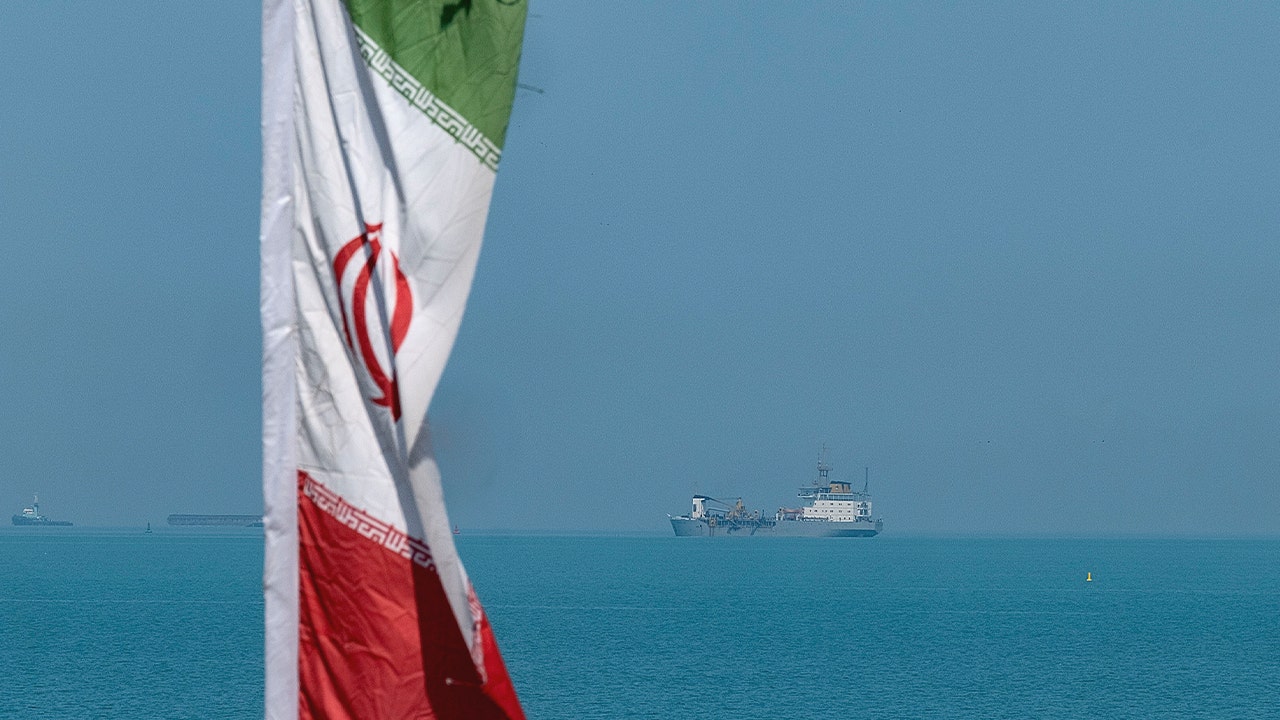
Shipping in the Persian Gulf dipped sharply Wednesday as tensions with Iran intensified amid signs the U.S. was positioning military forces for a potential strike, according to maritime intelligence assessments.
The U.S. Navy’s USS Abraham Lincoln Carrier Strike Group entered the U.S. Central Command area of responsibility Monday, a U.S. official confirmed to Fox News Digital, as President Donald Trump continued to keep military options on the table.
“At this stage, it remains ambiguous, and probably intentionally ambiguous, what the objectives and desired outcomes are of any U.S. military action,” Ambrey Intelligence’s Robert Peters told Fox News Digital.
“This means that there are a wider range of possibilities and retaliatory scenarios under consideration.
TRUMP ANNOUNCES ‘FINAL’ 25% TARIFF ON COUNTRIES DOING BUSINESS WITH IRAN REGIME
“That said, there are five U.S.-flagged merchant vessels, tankers and cargo ships in the Gulf today — two transited the Strait of Hormuz earlier without any apparent issues — but those already in the Gulf and destined for the U.S. are at heightened risk,” he added.
Trump, who earlier this week indicated “numerous” calls were received from Iran, also posted about the situation on Truth Social Wednesday morning.
“A massive Armada is heading to Iran. It is moving quickly, with great power, enthusiasm, and purpose. It is a larger fleet, headed by the great Aircraft Carrier Abraham Lincoln, than that sent to Venezuela,” he wrote.
IRAN POSES A FAR MORE DANGEROUS MILITARY TEST FOR THE US THAN VENEZUELA, EXPERTS WARN
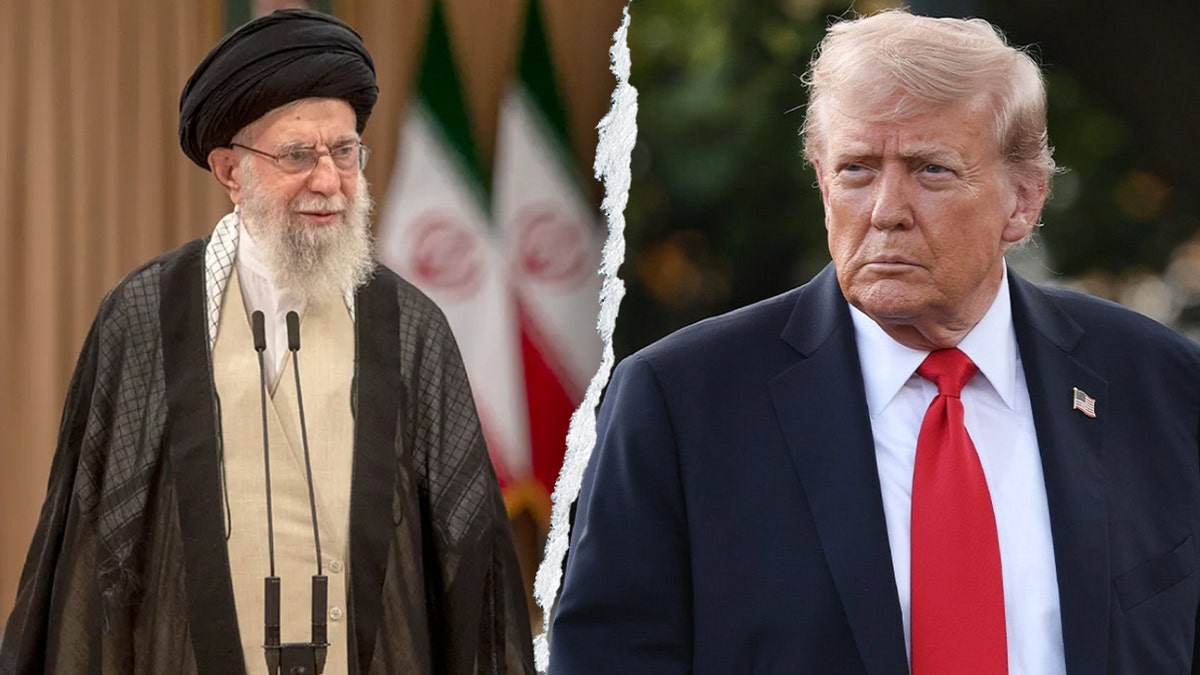
“Like with Venezuela, it is ready, willing, and able to rapidly fulfill its mission, with speed and violence, if necessary. Hopefully Iran will quickly ‘Come to the Table’ and negotiate a fair and equitable deal — NO NUCLEAR WEAPONS — one that is good for all parties. Time is running out, it is truly of the essence! As I told Iran once before, MAKE A DEAL!”
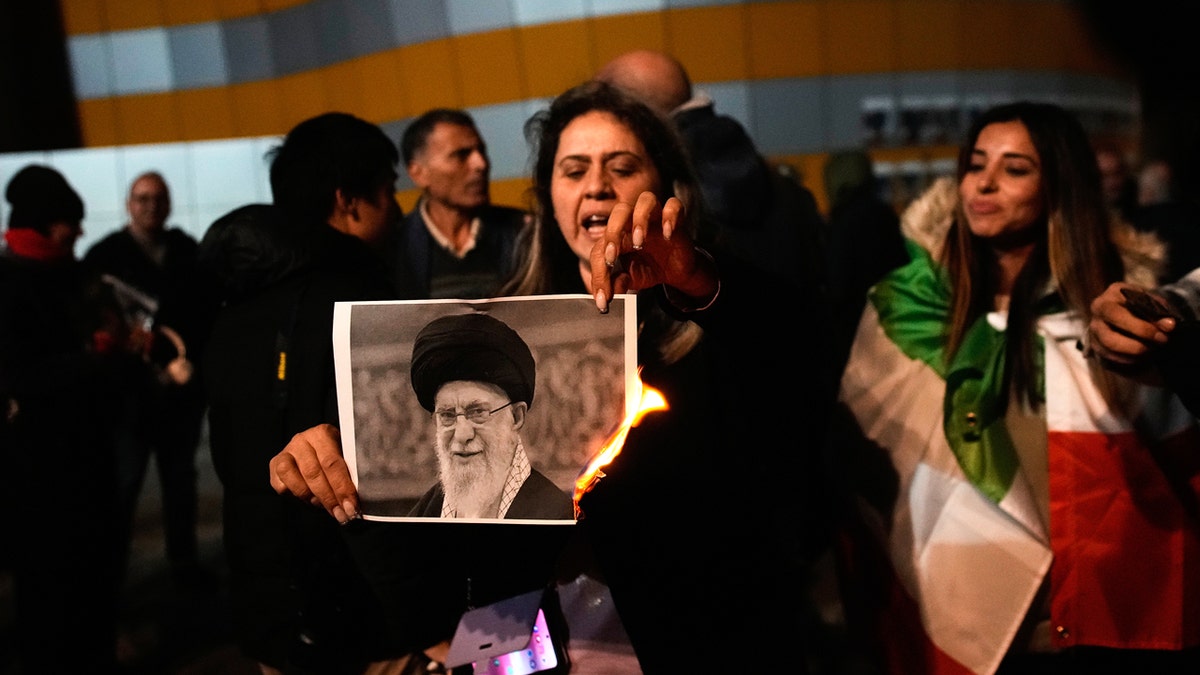
The post came as the Human Rights Activists News Agency (HRANA) reported the death toll from nationwide protests in Iran has surpassed 6,200 since the outset Dec. 28.
The organization said nearly 17,100 more were under investigation with “a continuation of both scattered and mass arrests” as internet restrictions continue.
TRUMP THREATENS IRAN WITH CRUSHING RESPONSE AS TEHRAN DENIES HALTING PROTEST EXECUTIONS
Peters meanwhile, claimed that “shipping companies have been advised to reduce aggregate risk when operating in the Arabian/Persian Gulf.
“This means limiting the number of ships that could be exposed to retaliatory action, and sometimes ships will await further instructions closer to their next port in the Gulf,” he said. “At this point, it is more appropriate to wait further away in case of an escalation.”
Ali Shamkhani, an advisor to Iran’s Supreme Leader Ali Khamenei, warned Wednesday that any military action by the U.S. from any origin and at any level “will be regarded as the start of a war, and the response will be immediate, all-out, and unprecedented, targeting the heart of Tel Aviv and all those who support the aggressor,” according to Iran International.
IRAN STRIKES COULD SIGNAL LIMITS OF BEIJING, MOSCOW’S POWER AS US FLEXES STRENGTH
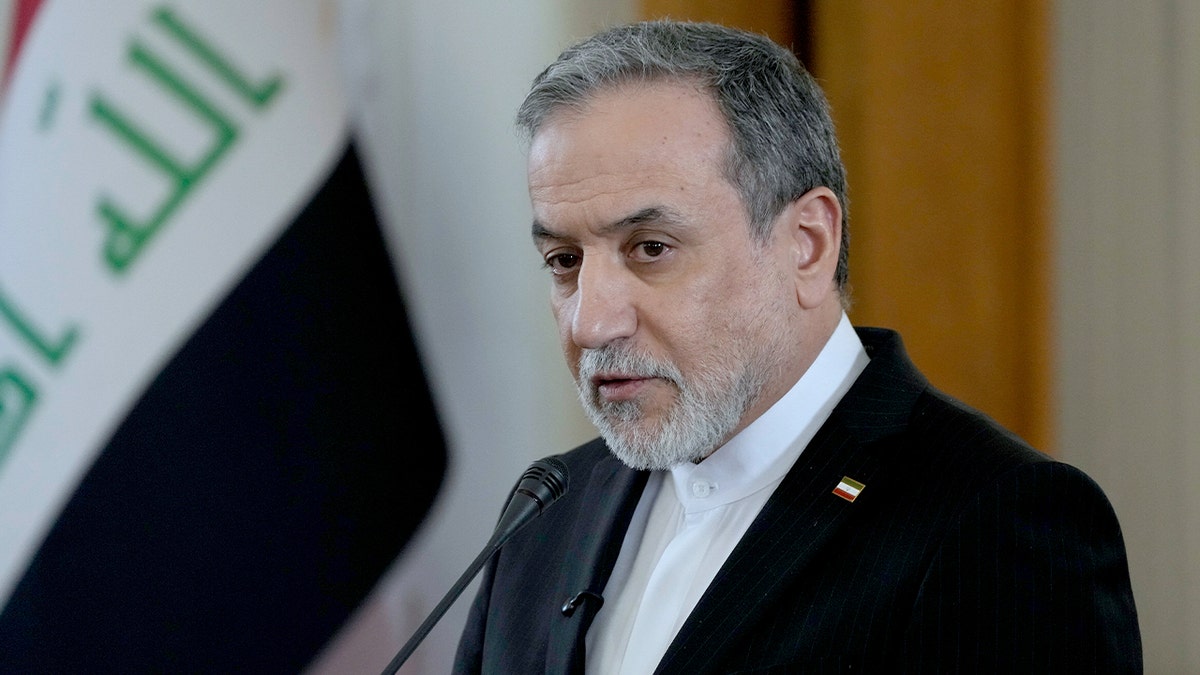
“Our brave Armed Forces are prepared — with their fingers on the trigger — to immediately and powerfully respond to ANY aggression against our beloved land, air, and sea,” Iran’s Foreign Minister Abbas Araghchi said in a post on X.
With tensions rising in the region, Peters described how shipowners may be approached by cargo charterers to load cargo in the Gulf.
“Then they will make the decision to avoid the Gulf for the time being until the tensions reduce,” Peters added. “Interestingly, last year the Iranians did not take retaliatory action in the maritime sphere. Israeli shipping was already avoiding the Gulf, and the U.S. military action was highly targeted at the nuclear capabilities.”
CLICK HERE TO DOWNLOAD THE FOX NEWS APP
But Peters warned that the situation “may see something similar again. If there is a much broader, regime-destabilizing operation, the effects could be considerable for wider shipping.
“During periods like this, we tend to see greater risk aversion and inquiries from those asked to pick up cargo for U.S. charterers and destined for the U.S.,” he added.
Read the full article here
