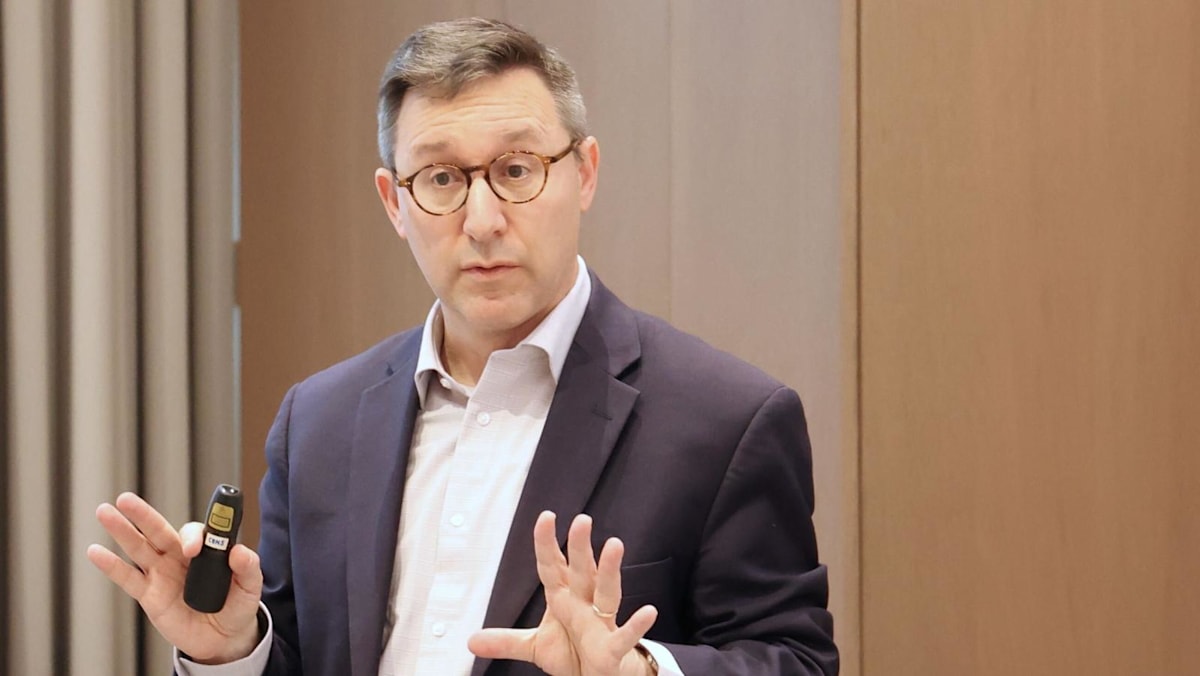
“The bottom line is that Iran and its proxies now are the way we have to look at the threat of violent attacks from this milieu, more broadly as an entity,” he added.
While there is no reported evidence of Iran-linked “violent gig economy” activities in Southeast Asia, Levitt stressed that “well-to-do” societies may be more vulnerable to threats.
Singapore’s strength as a global commercial node and major trade, finance and transshipment hub may raise exposure to such “violent gig economy” activities, he added.
“There is a huge role for Singapore to play to make it more difficult for Iran to be able to finance its (activities),” said Levitt, who focused on fundraising and logistical support networks for Middle Eastern terrorist groups as an FBI counterterrorism intelligence analyst.
Levitt added that Singapore’s Financial Intelligence Unit, under the Suspicious Transaction Reporting Office, has been actively looking into “suspicious activity report data”. He noted that the unit has published alerts on the use of front companies, financial facilitators and crypto infrastructure to evade sanctions for oil sales.
The growing “violent gig economy” also spells concerns for Southeast Asian countries that have previously felt the presence of Iranian proxy groups, Levitt said.
Levitt referred to past Hezbollah-linked activity in Singapore and Thailand, including alleged surveillance of US and Israeli diplomatic targets in Singapore in the early 1990s, and a failed 1994 bombing attempt against the Israeli embassy in Bangkok.
In September 2013, a Thai court sentenced a Swedish man of Lebanese origin for possessing ammonium nitrate, a compound that could be used to make explosives.
Thai authorities had accused him of links to Hezbollah, but the man denied this throughout his trial, claiming he was a businessman involved in Thai exports to other countries, including Lebanon.
In Malaysia, Hamas had reportedly maintained fundraising, recruitment and support and alleged training networks for years since the early 2000s, although Malaysian authorities had denied that the country hosts Hamas operational or training bases.
“Each place is going to be different. Singapore, by virtue of being so small, being so open, there are some unique threats … some unique vulnerabilities. (Singapore has) excellent partnerships with the United States and with others,” Levitt said at the sidelines of the dialogue.
Singapore and the US have longstanding economic, defence and security partnerships, which have expanded to cybersecurity and emerging technologies in recent years, according to Singapore’s foreign ministry.
“I know of no pending threats … I’m just worried. I see these things happening. I see them happening in places,” Levitt said.
Read the full article here