

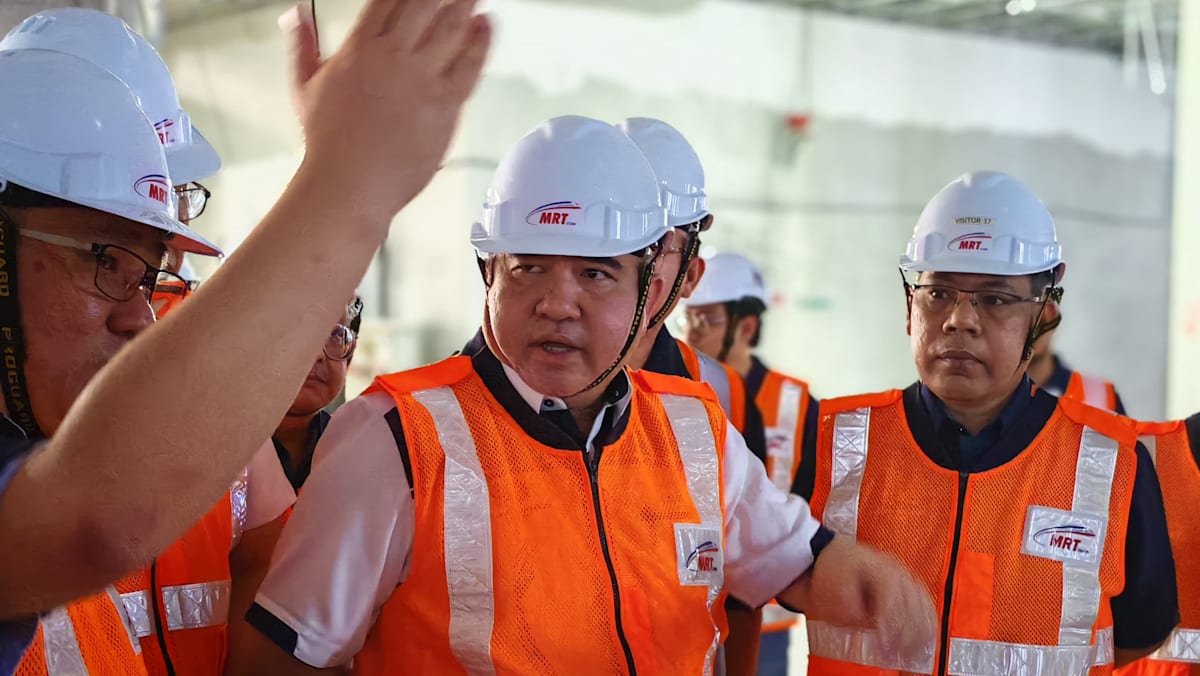
SINGAPORE: The Johor Bahru-Singapore Rapid Transit System (RTS) Link remains on track for its scheduled January 2027 launch despite global energy-related pressures, Malaysia’s Transport Minister Anthony Loke said on Friday (Apr 3), according to local media reports.
On fares, Loke said RTS Operations Pte Ltd (RTSO), the rail operator, is expected to submit its pricing proposal in the third quarter to Malaysia’s Land Public Transport Agency and Singapore’s Land Transport Authority.
The fare package will be considered by both governments before prices are announced to the public by year-end, he said.
RTSO is a joint venture between Malaysia’s state-owned transport operator Prasarana Malaysia Bhd and Singapore’s SMRT Corporation.
“The presentation is to obtain agreement from both governments,” Loke said.
Loke also said Malaysia is open to introducing a season pass for frequent cross-border commuters, but stressed that any such scheme would have to be commercially viable and would likely require government subsidies.
He said public transport season passes “usually involve government subsidies”, adding they would have to look at how it could support Malaysians, but “would not subsidise foreigners”. He added that Singapore would likely take the same position.
Loke said any season pass proposal would need to be discussed with RTSO because the service is a cross-border rail operation involving both Malaysia and Singapore.
He said the main issue was whether recurring revenue from such passes could cover operating costs, even if there was policy interest in helping Malaysian commuters.
His remarks come after he told local media on Wednesday that the energy crisis was a “very, very serious matter” and that the Malaysian government had entered “crisis mode”.
Malaysia has faced spillover effects from global energy market turbulence linked to the United States and Israel’s war on Iran, which has driven up energy costs and increased pressure on the country’s fuel subsidy bill.
Still, Loke said the RTS Link project would not be affected as it had moved into the system installation stage, with major physical construction largely nearing completion.
Read the full article here
