

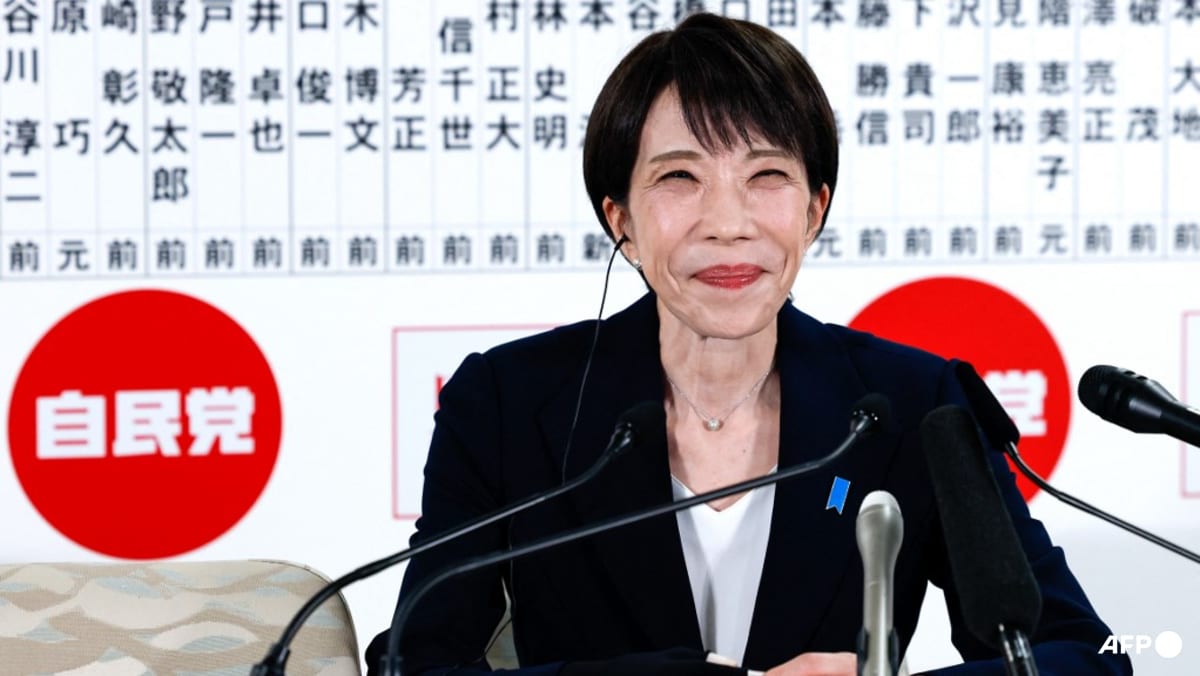
Takaichi has pledged measures including freezing the sales tax on food and rolling out expansionary spending aimed at boosting growth and encouraging companies to raise wages.
Immigration also featured in voters’ concerns. Takaichi has taken a more cautious approach to foreign labour, tightening criteria while planning to accept about 1.23 million migrant workers by March 2029 to address labour shortages.
“What she’s done is not to discontinue immigration, but to be more cautious and fine-tune policies,” Lim said, adding that the approach appears to have reassured voters who felt previous policies were too expansive.
On defence, analysts expect Takaichi to take a forward-leaning stance. Tong said increased spending would likely focus on closing security gaps – particularly in cybersecurity – rather than overt power projection.
Still, her hawkish security agenda is unlikely to sit well with China, which has accused Japan of edging back towards militarism.
While her supermajority gives her the ability to pursue constitutional reform, analysts say it is unlikely to be a near-term priority.
Instead, attention is expected to remain on domestic economic policy, boosting defence capabilities and pragmatic diplomacy.
DRUMMING UP FOREIGN RELATIONS
Since taking office in October last year, Takaichi has shown a strategic yet personable approach to diplomacy.
She has drawn headlines for her informal style, from a K-pop drumming session with South Korean President Lee Jae Myung to watching baseball with United States President Donald Trump.
The 64-year-old is due to travel to Washington in March for a second meeting with Trump.
Analysts expect Takaichi to prioritise Southeast Asia early in her tenure, echoing the regional focus of her mentor Abe.
“(She will want to) express Japanese enthusiasm and show leadership … on areas where a middle power can make constructive contributions,” said Tong.
Read the full article here
