

TOKYO: The US oil benchmark rebounded above US$100 a barrel on Monday (Apr 13) after peace talks between the United States and Iran failed to make a breakthrough, and with US President Donald Trump ordering a blockade of Iranian ports.
Shortly after trading began, a barrel of West Texas Intermediate for May delivery rose around 8 per cent to US$104.50, while June delivery of international benchmark Brent rose 7 per cent to US$102.
In early trade in Asia, South Korea’s benchmark Kospi index fell 2 per cent, before recovering slightly, while Japan’s Nikkei was down 0.3 per cent.
Oil prices had sunk and stocks soared last week after Trump agreed to a two-week ceasefire mediated by Pakistan, despite its tenuousness becoming quickly apparent as Israel continued to strike Lebanon and the Strait of Hormuz remained effectively closed.
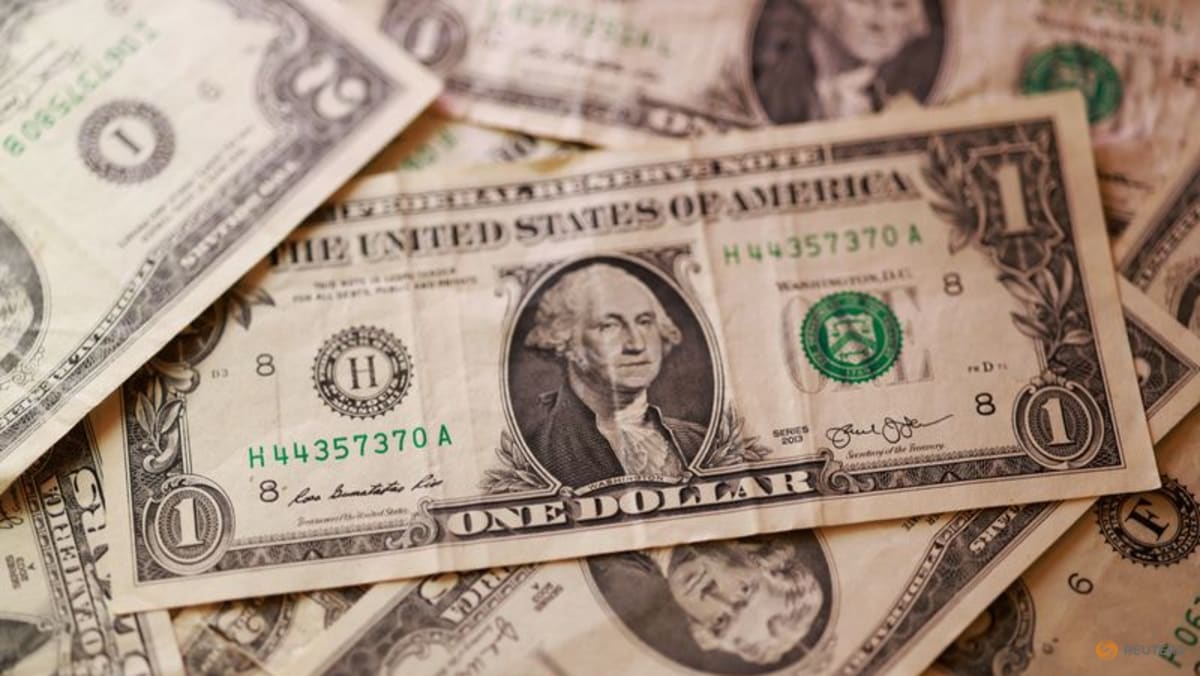
The dollar also strengthened to the highest level in a week in a broad rally against most of its peers in early Asian trade on Monday.
The US dollar index, which measures the greenback’s strength against a basket of six currencies, was up as much as 0.5 per cent at US$99.187, its highest level since Apr 7.
The euro was down 0.5 per cent at US$1.1667 as the British pound fell 0.6 per cent to US$1.3383, while the Australian dollar was 0.8 per cent lower at US$0.7014 and the New Zealand dollar was off 0.7 per cent at US$0.5798.
US President Donald Trump said on Sunday that the US Navy would start blockading the Strait of Hormuz after marathon talks with Iran failed to reach a deal to end the war, jeopardising a fragile two-week ceasefire.
The US Central Command said US forces would begin implementing the blockade of all maritime traffic entering and exiting Iranian ports from 10am ET (10pm, Singapore time) on Monday.
“Early and thin FX trading this morning is showcasing a risk-off mood, with the broad-based rally in the USD in response,” analysts from Westpac wrote in a research note.
Read the full article here
