

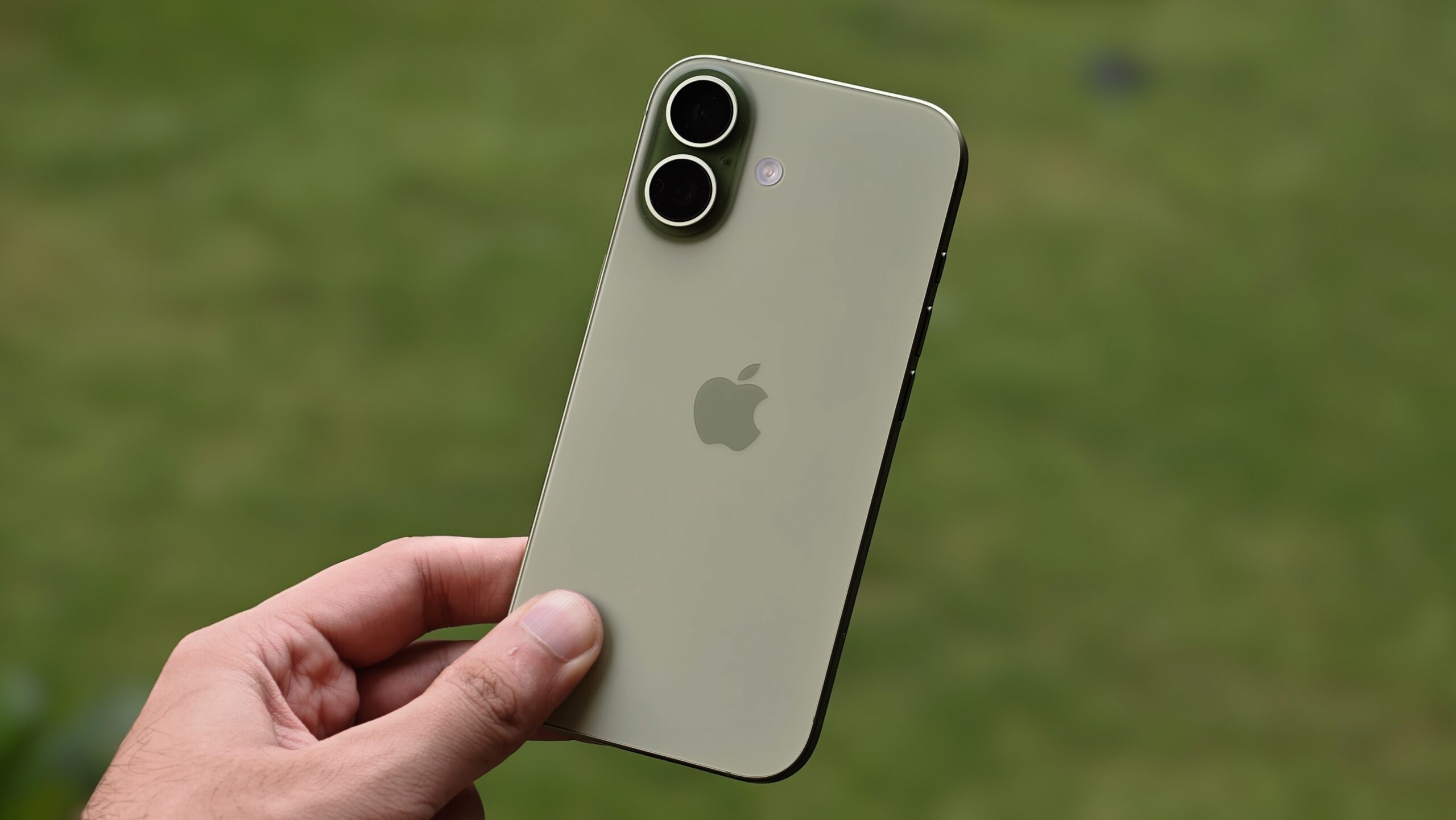
The iPhone 17 closed the gap between Apple’s entry-level phone and the pricier Pro models last year with long-overdue display upgrades, alongside nifty camera and durability improvements. Apple also made new features like Center Stage (its new selfie camera) and Dual Capture available across the entire lineup, making the iPhone 17 an even better value.
A year later, it has become the most affordable entry-level flagship across brands, thanks to Samsung and Google raising the prices of their entry-level models due to a surge in RAM prices driven by AI and data centers.
August is usually when we suggest to avoid buying a new iPhone and to wait for the next one. But things are looking different in 2026.
As we inch closer to the next-generation iPhone announcement on Sept. 9, the iPhone 17 is holding strong against its Android rivals. And it will have to compete with newer models till March 2027, since the iPhone 18 won’t launch until then alongside the iPhone 18E, according to the rumors.
So what if you need a new iPhone before March or don’t want to pay $1,100 or more for an iPhone 18 Pro? I charged up my iPhone 17 and revisited Apple’s standard model this week to find out if it’s still worth buying.
Display, durability and camera upgrades keep it strong
The iPhone 17 arrived last year with multiple major upgrades, many of which you’ll appreciate daily.
The screen is finally on par with Apple’s Pro models and every other Android counterpart. It runs at a smooth 120Hz refresh rate, which also adapts to the on-screen content to save battery. I compared it to the iPhone 15 and the smoother visuals were immediately noticeable when scrolling through the home screen. It makes the phone feel faster and more responsive.
The display is also brighter and less reflective than its predecessor. It is immediately noticeable when you’re navigating outdoors or need to do anything on your phone under bright lights. I put it against the new Pixel 11, which is equally bright, but iPhone 17’s smaller bezels make its screen more pleasing to look at.
Apple said its 2025 iPhones were more durable than ever. While I haven’t used the iPhone 17 for a year straight, I have daily driven the iPhone 17 Pro Max without a case for 10 months. (Yes, I’m that guy.) Compared to my 2024 iPhone 16 Pro, the 17 Pro has fared better against scratches and drops thanks to its Ceramic Shield 2 glass, the same found on the iPhone 17.
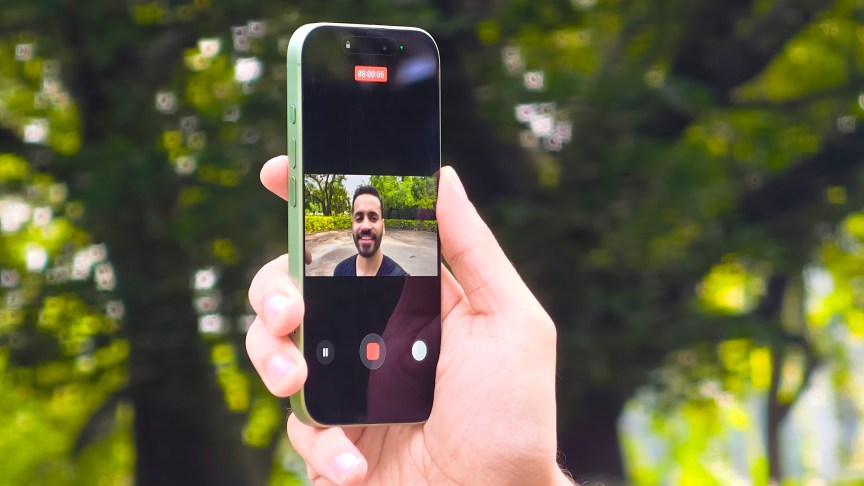
Some might dismiss it as a minor feature, but the 17’s selfie camera is the best upgrade, in my opinion. The new 18-megapixel square sensor is more of a quality-of-life upgrade than just a mere number bump because it lets you shoot landscape selfies without needing to rotate your phone. The viewfinder automatically repositions its framing based on the number of people in the photo.
I love the camera for two reasons. First, it enables Center Stage, which tracks you (even if you’re moving) on video calls (both on FaceTime and third-party apps like WhatsApp). It’s a handy feature for when I need to move around doing chores, but the camera keeps me in the frame and helps me be less annoying for my girlfriend.
Second, the square sensor improves stability in selfie video recording. I live with a condition that causes constant hand tremors, which makes it difficult to record myself on phones. The iPhone 17 has been helpful as I’m less self-conscious and more confident that I’ll get stable footage instead of a blurry video.
As for the two cameras on the back, they are far more capable than its predecessor. The iPhone 17 has two rear cameras: a 48-megapixel wide-angle camera and a 48-megapixel ultrawide, which is an upgrade over the 12-megapixel ultrawide camera on the iPhone 16. You’ll get sharp photos, better indoor shots and a smooth video experience. It misses out on a telephoto camera that the 17 Pro has, so there’s no optical zoom, but these are all the cameras most people would ever need.
iOS 26 has its flaws — I can’t wait for iOS 27
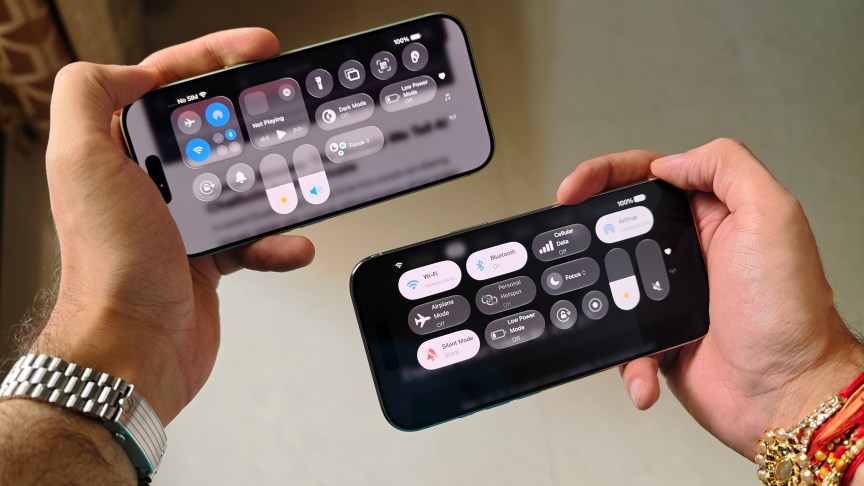
The iPhone 17 runs iOS 26, which offers more translucent controls, customization options and Apple Intelligence features. However, my experience has been buggy since the beginning. On multiple occasions, I’ve missed calls and alarms because my iPhone automatically lowered its system volume to a minimum. I didn’t put it in Do Not Disturb or Focus modes. Other times, the keyboard starts lagging out of nowhere, and whenever I need to access the Control Center while watching a video in landscape mode, my controls are all over the place.
Some of these issues have already been fixed on the iOS 27 Public Beta, which I’ve been running on my iPhone 17 Pro Max.
For starters, I can set different volume levels for the call ringer, alarms and media. The Control Center is now better optimized for horizontal orientation, keeping my customizations right where I want them. Then there are smart features, like spatial reframing in Photos for using generative AI to “change” the camera’s position when an image was taken. There’s also an all-new Siri mode in the Camera app.
In CNET’s 45-minute endurance test, which includes streaming, scrolling through social media, joining a video call and playing games, Apple’s entry-level iPhone went from full to 98%, which matches the results of the iPhone 17 Pro. It has the second-longest battery life of any phone CNET has tested in the past 12 months, tied with the OnePlus 15 and Motorola Razr (2026); behind the first-place phone is the iPhone 17 Pro Max.
However, subsequent iOS 26 updates along with continued use have had an impact on the battery life of my personal iPhone 17, causing more overnight idle drain. That’s why I’m looking forward to the upcoming iOS 27 update. If the beta is any indication, it should only improve the iPhone 17 experience with smarter features and better stability.
It has fared well, but what about six months from now?
The baseline model stacks well against the competition. The iPhone 17 was launched at $799, which is $100 less than the $899 Samsung Galaxy S26 and the new Google Pixel 11. But with phone prices increasing across the board and new rumors pointing to higher iPhone prices, the iPhone 17’s current price is good if you are looking for a phone upgrade.
Those notable upgrades make it worth the $799 price, which might not remain the same in a few days from now, when Apple announces the iPhone 18 Pro and its first-ever foldable iPhone Ultra.
While the iPhone 18 is tipped to be announced next year, the Pro series could get a price hike, resulting in a wider price gap between the entry-level and top-of-the-line models.
To compensate, Apple could push the ceiling of its base iPhone and make it more expensive, even before the iPhone 18 launches. This is just speculation right now, based on Apple’s recent price hikes. But the base iPhone has remained at $799 ($829 without a carrier discount) since 2020, and after the new pricing on Macs, iPads and several other products, it makes much more sense to raise the barrier to a new entry-level model than ever.
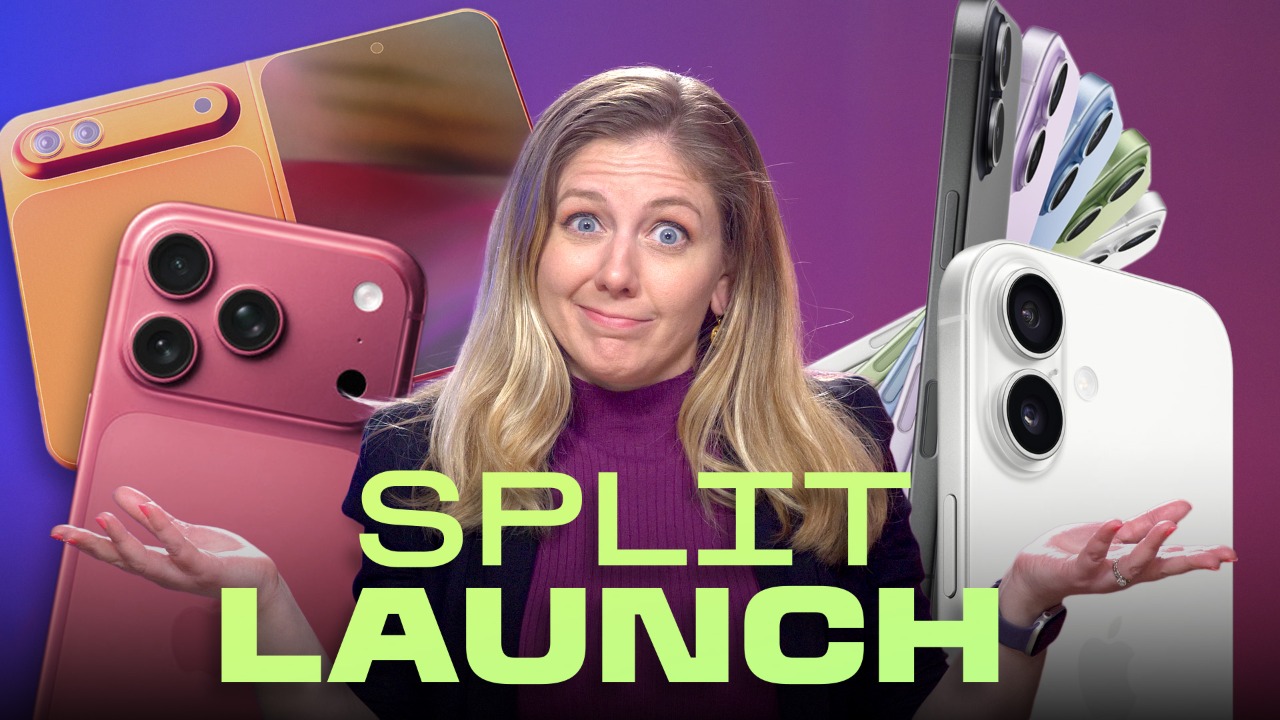
As for those willing to wait for the iPhone 18, it is unlikely to be a major upgrade. Apple is expected to reserve the most prominent changes like a reduced Dynamic Island and newer cameras for its Pro models. Moreover, a recent rumor on Weibo suggests that the iPhone 18 could align more closely with a lower-cost iPhone 18E model. It might not receive a similarly powerful chip as its Pro siblings, for instance. It’s a similar move Google has made with its base Pixel 11 and budget Pixel 10A.
Given the lukewarm rumors regarding the upcoming model and iPhone 17’s current price tag (and the looming price hike), I think last year’s model is still an excellent deal. And for the first time in my career, I’d say if you want a new iPhone before Sept. 9, it is totally fine to get the iPhone 17 now rather than wait and see what the 18 Pro may bring.

See full bio
Read the full article here
