UTTAR PRADESH/KHYBER PAKHTUNKHWA: Across parts of South Asia, changing weather patterns are making harvests increasingly difficult to predict.
The effects are putting pressure on crops, livelihoods and food security.
Some farmers are trying different approaches to adapt to changing conditions.
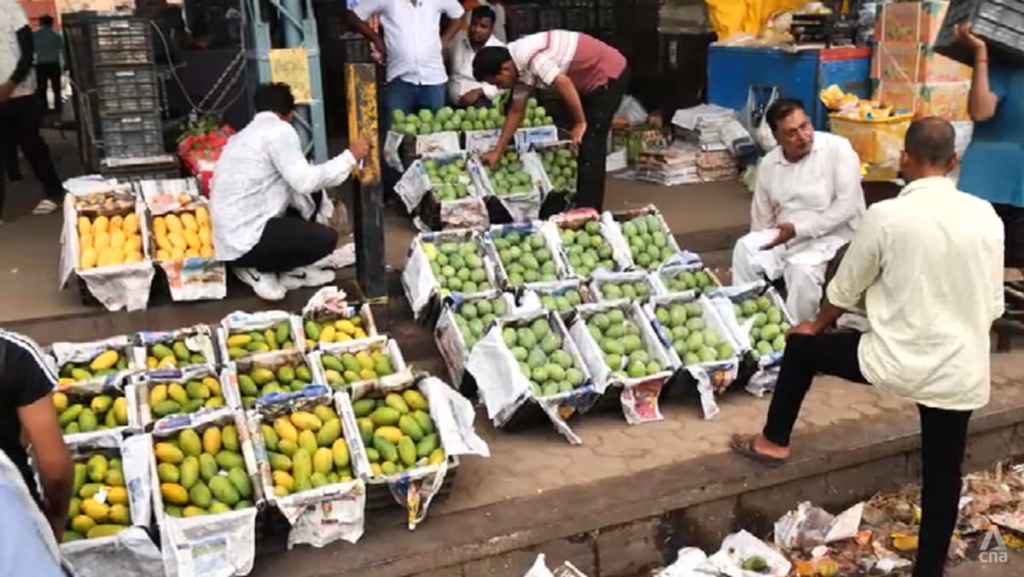
In northern India, mango growers are changing how they manage their orchards as extreme weather threatens their crop. In neighbouring Pakistan, farmers are turning to olives that can thrive in hot and dry conditions.
PROTECTING INDIA’S KING OF FRUITS
Nearly half of the world’s mangoes are produced in India, and almost all are consumed at home. Only about 1…
Read the full article at CHANNELNEWSASIA.COM