

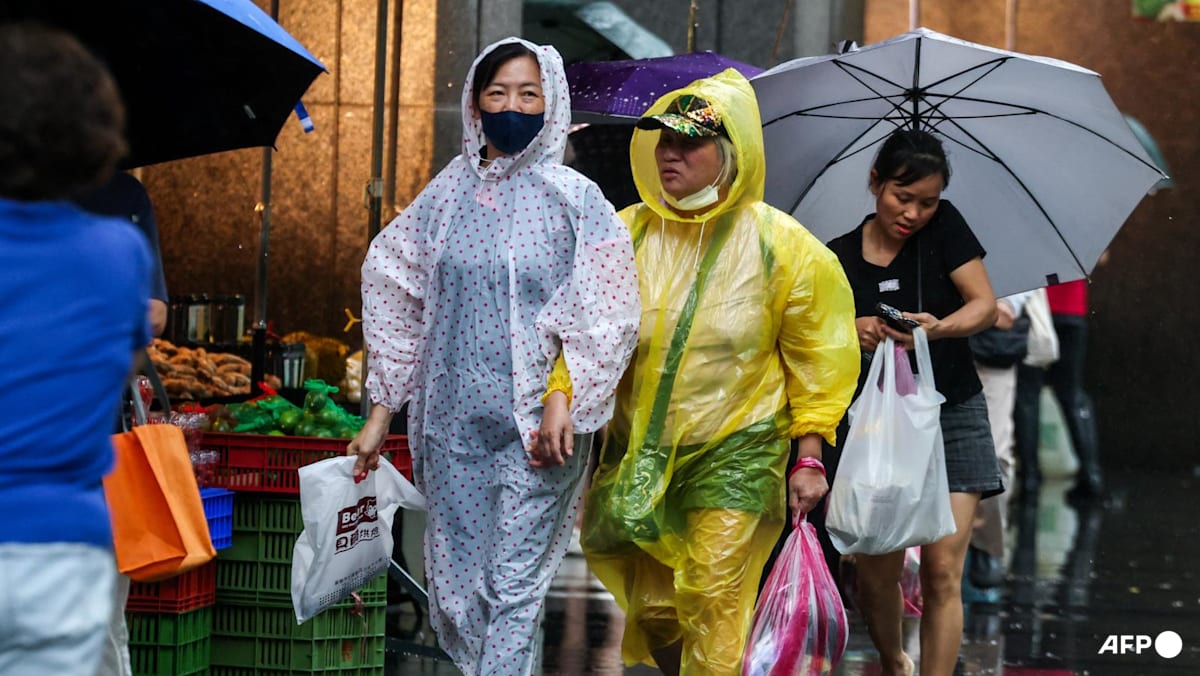
In Bangkok, Nikorn Sai-inthara, a 60-year-old selling vegetables from a street cart, estimated his operating costs had risen by 30 per cent.
“I rely on plastic bags for my work because I sell vegetables on the go to busy people and office workers,” said Nikorn, who wraps individual portions in plastic and secures them with a rubber band.
“Ever since the fighting started in the Middle East, my profits have fallen, but I don’t dare raise prices for my customers,” he told AFP.
“NO CHOICE”
Several vendors across the region told AFP they do not have a practical alternative to the plastic products they use on a daily basis.
“We have no choice. If you don’t give customers plastic bags, they complain,” said Chang Chiu-hsiang, a 78-year-old grocer in Taipei.
“I think you can’t really avoid using them,” added Li, the chicken vendor, noting however that some customers have started to use reusable bags.
Somsak Jaidee, 62, who sells rice porridge in bags secured with rubber bands at a Bangkok market, said that while “everything is more expensive … I have to endure it.”
“I can’t think of anything else that offers the same convenience for my customers as plastic bags.”
A cautious reopening of the Strait of Hormuz since the US-Iran deal was signed last week has yet to fully impact naphtha prices, which have dipped only slightly.
And manufacturers continue to process naphtha purchased when prices were higher.
Read the full article here
