

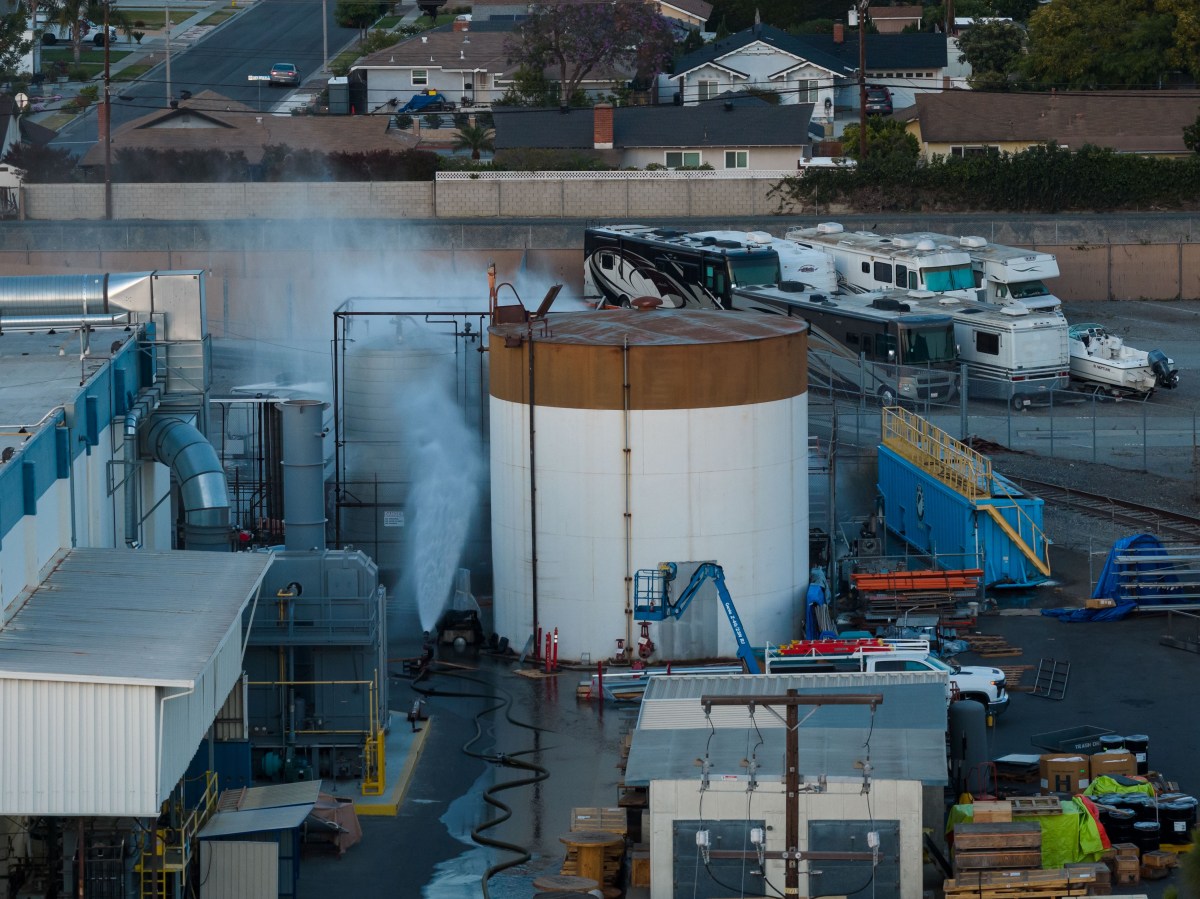
Southern California emergency officials announced Sunday that a late-night firefighter reconnaissance mission revealed a potential crack in a volatile chemical tank at the GKN Aerospace facility in Garden Grove. The discovery could significantly alter the response strategy to the days-long hazardous materials incident.
The breakthrough occurred after a specialized Orange County Fire Authority (OCFA) team entered the site overnight to visually inspect the tank for the first time, Fire Chief TJ McGovern announced in a video update shared on X.
“What they found was a potential crack in the tank, which could potentially be relieving some of the pressure in there,” he said.
If confirmed, the suspected crack may be relieving internal pressure and reducing the risk of a catastrophic structural failure. This development could allow incident commanders to adjust their approach and begin planning to lift evacuation orders.
For days, Southern California authorities have scrambled to prevent the overheated tank from exploding. The volatile situation—involving a highly unstable industrial chemical—initially forced tens of thousands of residents to evacuate. Emergency crews have spent days continuously dousing the vessel with water to stabilize its temperature, maintaining that the tank remains unpredictable and dangerous.
Newsweek reached out to OCFA by email Sunday for more information.
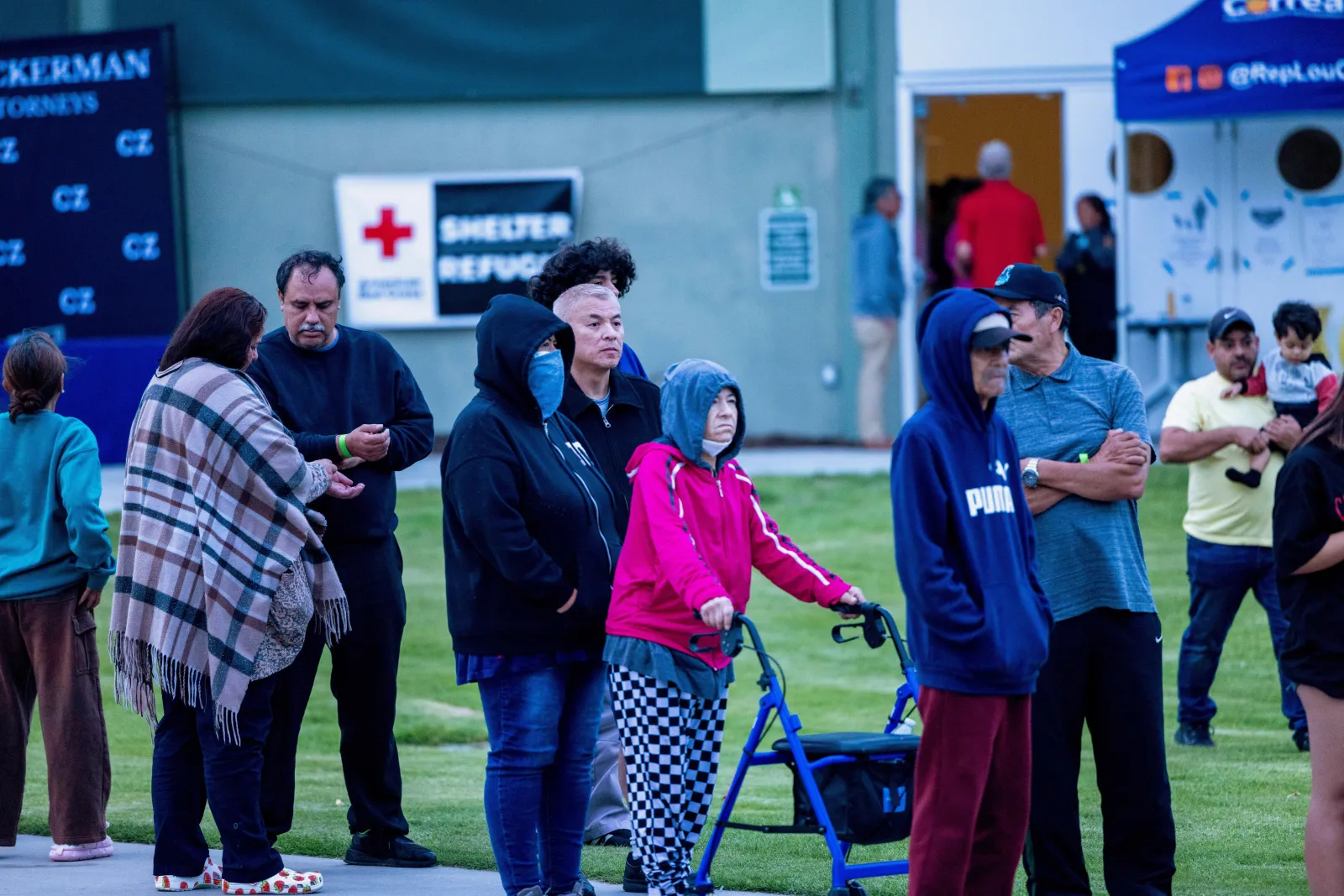
Evacuations were issued Thursday after officials determined the tank’s escalating condition posed an immediate threat to nearby neighborhoods. Residents were ordered to leave as a precaution while hazardous materials teams assessed the risk and formulated a safe approach strategy.
Despite the promising overnight findings, fire officials reiterated Sunday that no residents will be permitted to return until the area is deemed entirely safe.
What Was Discovered in the Firefighter Operation?
A specialized team of subject-matter experts and firefighters conducted the high-stakes, late-night reconnaissance mission to get “eyes on the tank,” according to Chief McGovern.
During the operation, firefighters visually identified what appeared to be a crack in the structure. The crew successfully collected critical data and imagery, which is currently being vetted and validated by technical specialists.
The chief described the mission as a successful step in the right direction, noting it provided “positive intel” to guide command decisions throughout the day.
What Is in the Tank?
The overheated storage tank at the GKN Aerospace facility contains methyl methacrylate, a highly flammable industrial chemical widely used in plastics manufacturing.
According to officials, the substance becomes extraordinarily dangerous when heated because it can trigger a “thermal runaway” reaction—a rapid, self-sustaining chain reaction of heat and pressure buildup that can result in either a violent rupture or a full-scale explosion. The tank began venting vapors after temperatures spiked, prompting fears that thousands of gallons of the chemical could ignite or spill into the surrounding community with little warning.
Fire officials noted that a faulty valve has rendered the tank inaccessible, preventing crews from safely draining or neutralizing the chemical from within. The limitation has forced firefighters to rely on external cooling methods, underscoring the ongoing volatility of the situation and the necessity of the mass evacuations.
What Happens Next
Technical specialists are currently validating the data and imagery captured during the overnight mission. Their primary objective is to determine whether the suspected crack is safely relieving internal pressure and if the tank’s condition is genuinely stabilizing.
If the data confirms a positive trend, incident commanders may shift their strategy from high-risk containment to controlled mitigation. Next steps will include:
- Reassessing the tank’s structural integrity
- Determining whether pressure levels are dropping
- Evaluating whether the area is safe enough to begin planning for repopulation
- Deciding whether additional entry operations are needed
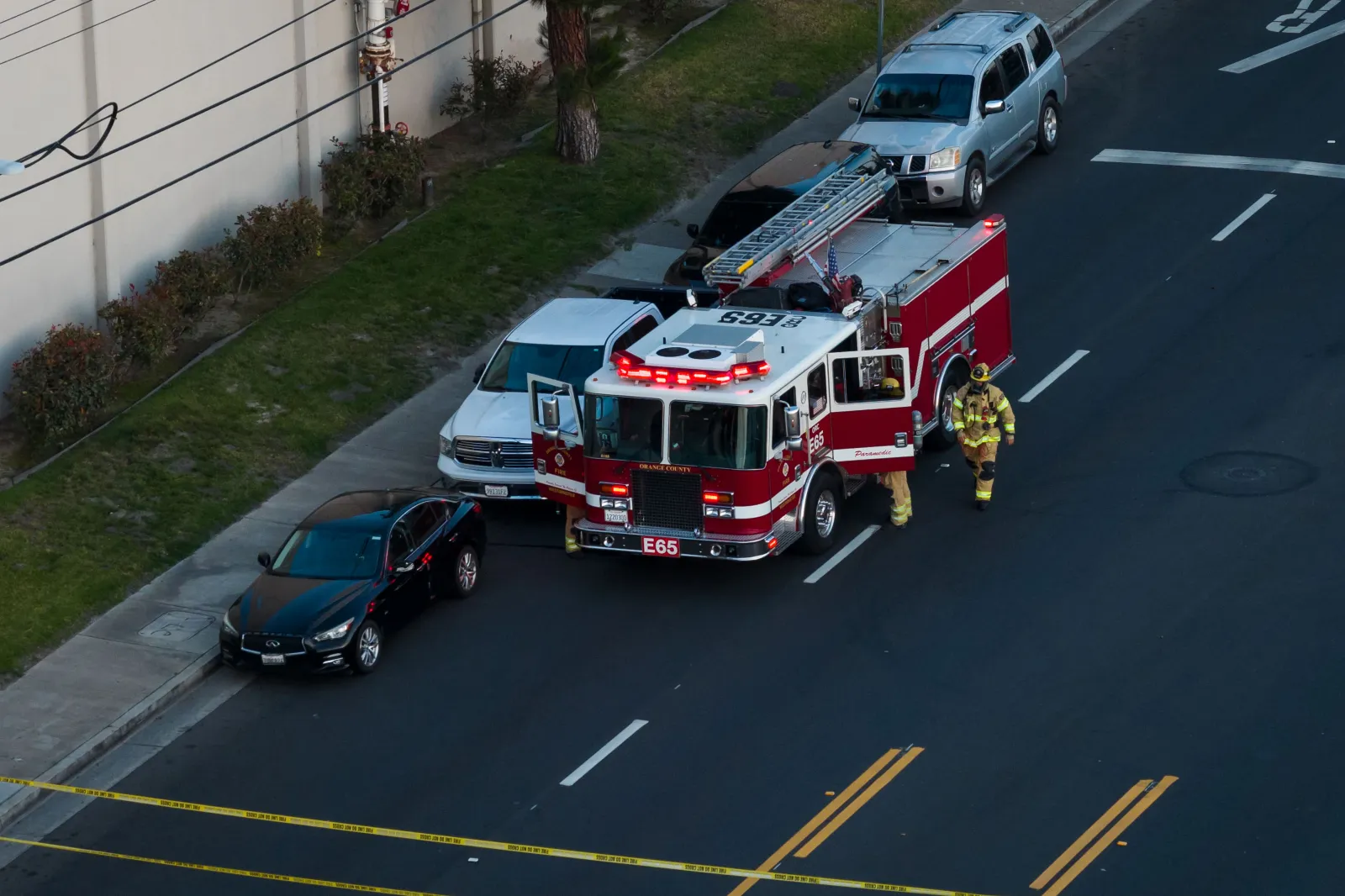
Fire officials emphasized that all evacuation orders will remain strictly in place until the site is confirmed secure. Further updates are expected as teams analyze the data and determine if the incident is trending toward a resolution.
Read the full article here
