

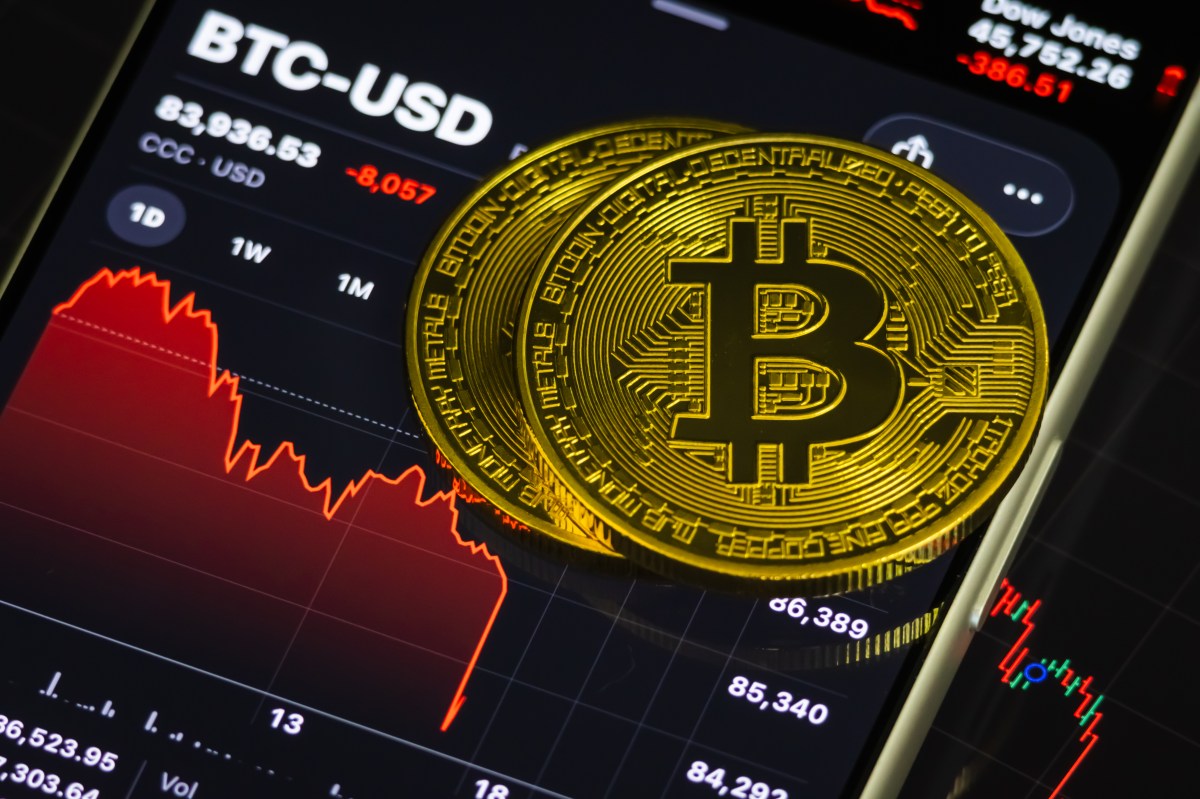
For people peeking into crypto from the sidelines, volatility is almost always framed as the reason to stay away. Prices swing dramatically, headlines turn apocalyptic overnight, and every dip gets held up as proof that the whole thing was never real to begin with.
But here’s the thing: That framing gets the story exactly backward. Volatility isn’t a design flaw in crypto. It’s the very heart of its appeal.
Bloomberg ETF analyst Eric Balchunas has a wonderful phrase for crypto’s role in a portfolio: “hot sauce.” You don’t pour it over everything. You use a little, because a little can transform the entire flavor. That’s precisely how thoughtful investors approach crypto. They aren’t swapping out their savings accounts for bitcoin or converting retirement funds into memecoins. They’re carving out a small slice of their portfolio for meaningful asymmetric upside.
For Many Investors, Volatility Is the Whole Point
Volatility and outsized returns tend to travel together, and they always have. The assets with the greatest long-term upside are rarely the smoothest rides. Venture capital is volatile. Early-stage technology stocks are volatile. Emerging markets are volatile. Extraordinary gains come bundled with uncertainty, shifting narratives and sharp corrections along the way.
Crypto fits comfortably in that tradition. Bitcoin has weathered repeated drawdowns of 50 percent to 80 percent and still stands among the best-performing assets of the last decade. The drawdowns are real, but so is the long-term value creation, and that record deserves honest recognition.
Consider this: If crypto was no longer volatile, that might actually be the clearest signal that the biggest opportunity had already come and gone. Stability tends to be a symptom of maturity. It arrives after price discovery has done its heavy lifting, after growth has slowed, after an asset’s place in the financial system is broadly understood. Mature blue-chip stocks rarely deliver life-changing returns for a simple reason: The market already knows exactly what they are.
The ongoing uncertainty in crypto is precisely what keeps creating opportunity. Volatility is evidence that this is still an emerging asset class, one with growing infrastructure, expanding adoption, deepening institutional participation and improving regulatory clarity. A stable crypto market might feel more comfortable, but it would almost certainly be far less rewarding.
Volatility’s Role in Your Portfolio
This is also why crypto belongs in portfolios as a small, intentional allocation rather than a centerpiece.
Investors don’t need crypto to behave like bonds or dividend stocks. They want it to behave differently—and it does. A modest position can meaningfully lift overall returns without putting the whole portfolio at risk. The downside is naturally capped by the size of the allocation. The upside, if the thesis plays out, can be many multiples of that. That asymmetry is what makes crypto genuinely compelling as a satellite holding alongside traditional assets.
Critics often assume volatility encourages reckless speculation, but in practice, it tends to reward patience just as often. Sharp downturns flush out weak conviction and quietly transfer ownership to investors with longer time horizons and steadier hands. Long-term holders buy when prices are lower, strengthen their cost basis, and build the kind of durable ownership base that healthy markets are made of. Volatility makes all of that possible.
How to Take Advantage of Volatility
Drawdowns, then, shouldn’t be viewed purely as episodes of destruction. They’re moments of access. Some of the best entry points in crypto history have followed its most brutal corrections. Investors who stepped in after the crashes of 2014-2015, 2018-2019 and 2022 built positions at valuations that felt painful at the time and looked obvious in hindsight.
Volatility acts as a kind of reset button. It keeps opportunity from being permanently reserved for the earliest adopters. Corrections create recurring chances for broader participation, allowing newer investors to enter at more favorable prices and with stronger long-term risk-reward profiles.
This matters especially for the crypto-curious investor, the person who’s genuinely interested but still hesitant. For that person, volatility is actually an advantage. It provides multiple entry windows rather than forcing a single all-or-nothing decision. Because the real alternative to volatility isn’t safety. It’s usually just a higher entry price and lower future upside.
And while bull markets grab the headlines, it’s often during downturns that crypto does its most important work. Bear markets have consistently produced the industry’s most durable innovations. Bull markets attract capital, but bear markets attract builders. When easy money disappears, only the projects solving real problems tend to survive. Volatility clears the excess, humbles the bad ideas, and redirects attention toward genuine utility. That’s a healthy process for any emerging sector worth taking seriously.
None of this means volatility is comfortable. It isn’t. It can be genuinely stomach-churning at times. But discomfort is not the same as dysfunction. For investors who understand what they’re actually buying into, volatility is the mechanism that makes crypto worth owning in the first place. It’s the price of admission to an asset class that is still early, still evolving and still very capable of surprising to the upside.
For the crypto-curious, then, the right question is a simple one: Do you want a small amount of exposure to an asset class that clearly hasn’t finished its story yet? For many, the answer is yes. And if that’s your answer, then volatility isn’t the bug. It’s the whole feature.
Steve Bailey is the president and chief operating officer of RockWallet, a fully licensed digital asset platform built for people who want to navigate the crypto economy with confidence.
Read the full article here
