

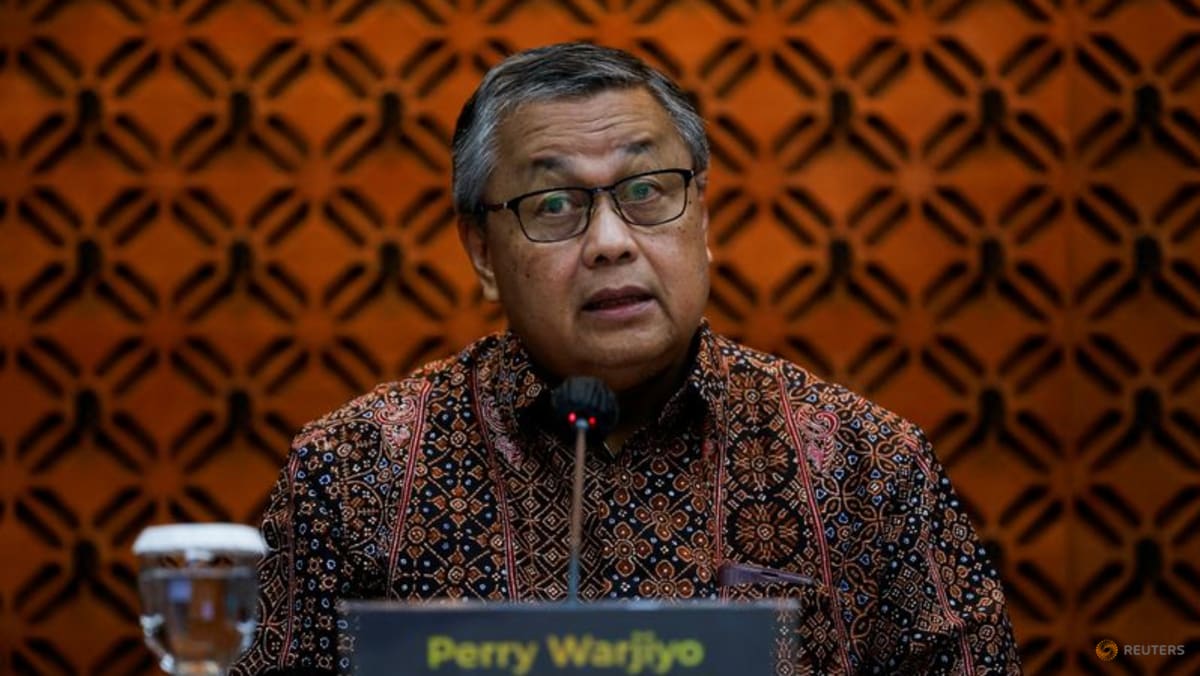
But whether the stability will hold is still uncertain as President Prabowo Subianto can either nominate Destry as Perry’s permanent successor or opt for another candidate.
By law, the president can nominate whomever he wants for the position albeit the nominee will still need to be vetted by the national parliament. There is no specific timeline for when a permanent replacement must be named.
“If the transition results in a professional who can guarantee a continuation of policy, (then) the volatility will be manageable,” said Achmad Nur Hidayat, an economist from Jakarta’s National Development University.
“But if the transition is perceived as a political attempt to weaken Bank Indonesia’s independence, the repercussions could spread beyond the foreign exchange market to the state budget, the banking sector, businesses and ultimately, households.”
As such, analysts stressed the need for Indonesia to choose its next central bank governor carefully.
“The timing of the Bank Indonesia leadership change is particularly delicate,” Bhima Yudhistira of the Indonesia think-tank Center of Economic and Law Studies (CELIOS) told CNA.
Perry’s resignation comes after the country’s currency fell to record lows this year, hitting the psychological mark of 18,000 rupiah per US dollar in June, its weakest levels since the late 1990s Asian financial crisis.
Read the full article here
