

LAY OF THE LAND
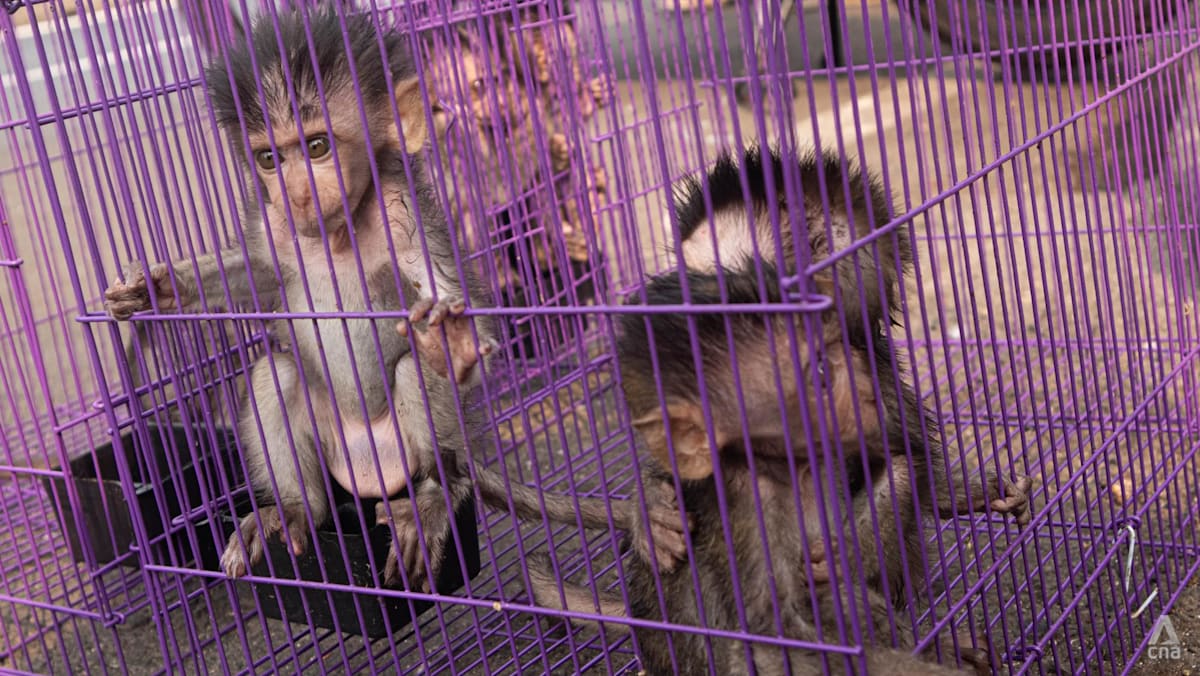
Named for their distinctive long tails, long-tailed macaques, or macaca fascicularis, are native to Southeast Asia, including Indonesia.
The international conservation authority says the long-tailed macaque are endangered because of a loss of their habitats as well as hunting and capture from the wild. It estimates that the global population has declined by around 40 per cent in the past 40 years and could fall by another 50 per cent in the next 40 years.
In contrast, Indonesia has classified the species as of “least concern” in its own national conservation assessment conducted in 2024.
The findings, published in the Ministry of Forestry’s 2025-2029 conservation plan report, said long-tailed macaques were found across much of Indonesia, with wild populations considered stable and even showing signs of overpopulation in some areas.
Data collected between 2019 and 2024 estimated nearly 49,000 long-tailed macaques across surveyed sites in Indonesia, with the largest numbers recorded in South Sumatra (12,722), Lampung (9,781) and Jambi (8,342).
In June, Indonesia set a 2026 export quota of 1,920 long-tailed macaques, according to records from the Convention on International Trade in Endangered Species of Wild Fauna and Flora (CITES) – its first recorded quota for the species since 2022, when the figure stood at 1,680.
The annual quota sets a limit on exports for that year as part of CITES measures to protect wild populations. Such quotas are voluntary, however, and exports may still take place in years when none is set, subject to the required permits and assessments.
A month later, on Jul 31, the government formally opened the breeding facility in Mesuji regency in Lampung. Operated by PT Bio Medika Nusantara Indah (BMNI), a private company, it can house up to 4,000 macaques. Mesuji regent Elfianah Khamamik said the Lampung facility sits within a 50ha site.
“Of the 50ha of vacant land by the forest and river, 4.9ha are being used for the breeding facility. We now have colony and quarantine enclosures,” Elfianah told CNA.
Read the full article here
