

Meanwhile, Reuters reported last month that Vietnamese Prime Minister Pham Minh Chinh left on Mar 22 for an official visit to Russia during which the two nations will sign several agreements, including on oil and gas cooperation.
The war has killed thousands, spread to Israeli attacks in Lebanon and sent oil prices surging because of the de facto closure of the strait, which before the war carried one-fifth of the world’s oil shipments, Reuters reported.
Earlier on Friday, Iran had announced the temporary reopening of the Strait of Hormuz. But Tehran reversed course on Saturday to reassert control over the strait, again closing the energy choke point and adding fresh uncertainty to the war.
Iran said it was responding to a continued US blockade of Iranian ports, calling it a violation of the ceasefire, while Supreme Leader Ayatollah Mojtaba Khamenei said Iran’s navy was ready to inflict “new bitter defeats” on its enemies.
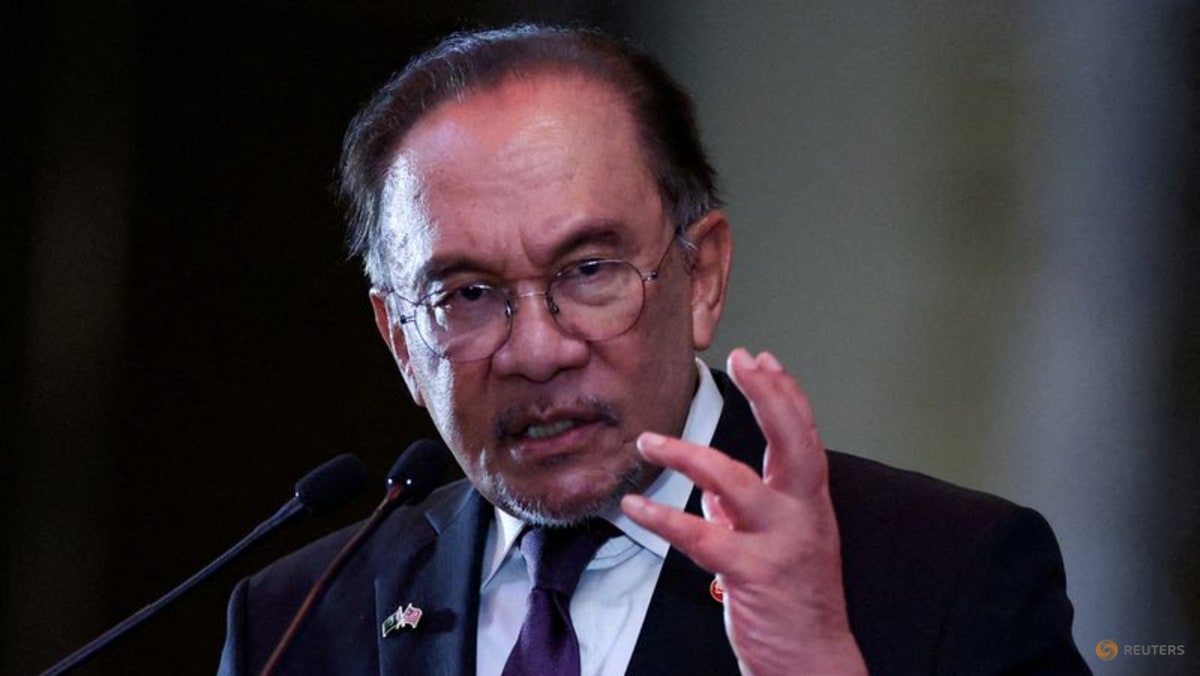
On Saturday, Anwar said that early diplomatic efforts by the government ensured that Malaysian oil tankers were among the first to pass through the critical route in the Strait of Hormuz in recent weeks.
He added that securing a Malaysian oil tanker through the strait had helped avert major disruptions to the country’s energy supply chain.
“Thankfully, a Petronas oil tanker arrived safely at the Pengerang Integrated Complex (on Friday). Deliveries to Pengerang are crucial because refining can only be done there,” he was quoted as saying by Free Malaysia Today (FMT).
Separately, Petronas on Wednesday said that fuel supply at its stations nationwide will remain secure until the end of June, extending its earlier projection by a month.
Read the full article here
