

Differences in energy exposure are also shaping responses.
Countries like the Philippines and Vietnam are more reliant on Middle Eastern energy imports, while others such as Indonesia, Malaysia and Thailand have greater domestic capacity and are focusing on subsidies and price controls, Patton noted.
For example, cities across Metro Manila have rolled out energy-saving measures like reducing fuel allocation for government vehicles.
WHAT OUTCOMES TO EXPECT
Given these differences, analysts said expectations for major coordinated measures remain modest, with national-level responses likely to dominate the summit.
“With ASEAN, it’s always about the process rather than the destination. You can’t necessarily expect ASEAN to produce a really tangible outcome on these challenging issues where member states have different priorities,” Patton said.
She added that she expects the bloc to issue a statement of solidarity amid these challenging global times.
Still, leaders are expected to discuss practical steps to cushion economic shocks, protect maritime traffic and manage escalation risks.
Key issues on the agenda include fuel supplies, food prices and the welfare of migrant workers.
Beyond the Middle East crisis, the summit will tackle a range of ongoing regional challenges. These include disaster resilience – a priority for the Philippines – as well as economic cooperation, trade tensions and supply chain resilience.
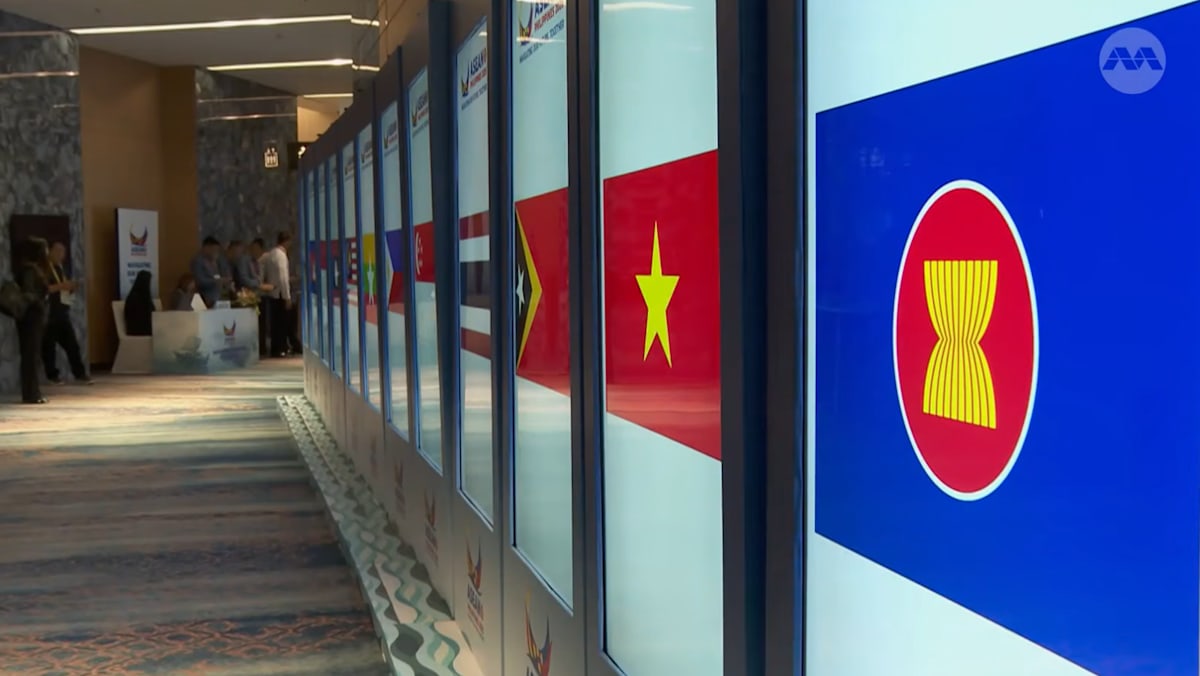
Leaders are also expected to discuss developments in Myanmar, Timor-Leste’s recent accession to ASEAN, and broader geopolitical pressures, including competition from China and tariff uncertainties linked to the US.
Read the full article here
