

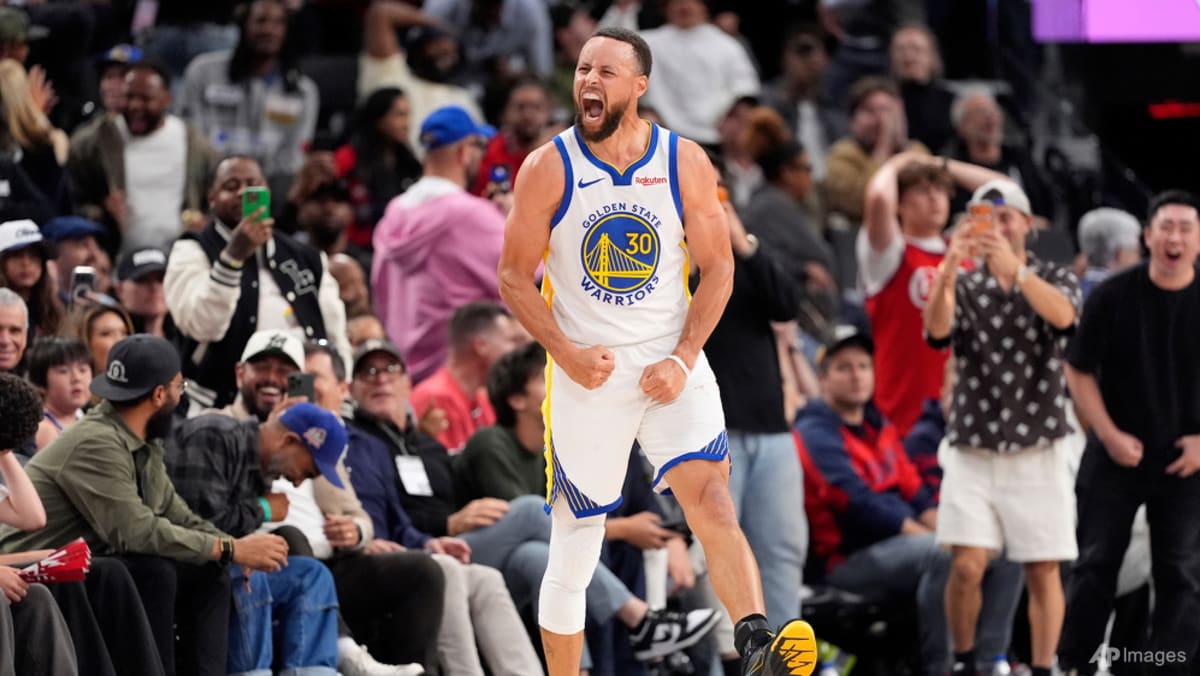
A Chinese brand chasing global status has two broad routes, analysts say – either build its own name abroad over time, or buy in by acquiring established Western brands.
Two leading Chinese sports brands are taking different routes abroad.
Anta has bought its way onto the global stage: it runs the China business of FILA, the Italian-founded, South Korean-owned label, led the 2019 consortium that acquired Amer Sports – owner of Arc’teryx, Salomon and Wilson – and in early 2026 agreed to pay about US$1.8 billion for a 29 per cent stake in Germany’s Puma, becoming its largest shareholder.
Li-Ning, which has largely grown the Li-Ning brand itself rather than buying foreign labels, is instead building its own name – and the Curry deal is its biggest bet on doing so.
The two are “very different strategies”, said IMD’s Greeven.
Building a global brand “requires long-term investment in identity, storytelling, and consumer trust”, while acquiring one “is a portfolio strategy, which can generate international scale much faster”, he said.
It is “difficult to do both at the same time”, he added. “Most companies end up doing one or the other.”
For CAA’s Staiti, the question is what each route actually buys.
A superstar partnership is “primarily a brand-building investment that creates trust, relevance and consumer connection”, he said – while an acquisition is “usually about gaining market share, capabilities or distribution”.
Both can work, “but they solve different business challenges”.
Chris Pereira sees the purpose of the Li-Ning deal as “a shortcut towards local market recognition and trust”.
“The next step for Chinese brands is to go from a high-quality, high-end image to trust – and to becoming cool,” said Pereira, founder and chief executive of communications and consulting group iMpact.
“In the next three to five years, you’re going to see Chinese brands become cool in the local market.”
He framed it against the way Western brands have long worked.
“If you bought Nike or Adidas 20 years ago, you were wearing them so you could show the logo,” he said.
“You don’t really think about the quality; you’re buying the name, and it represents your lifestyle.”
The aim of a signing like Curry’s, he said, is to attach that kind of meaning to a Chinese brand.
Read the full article here
