

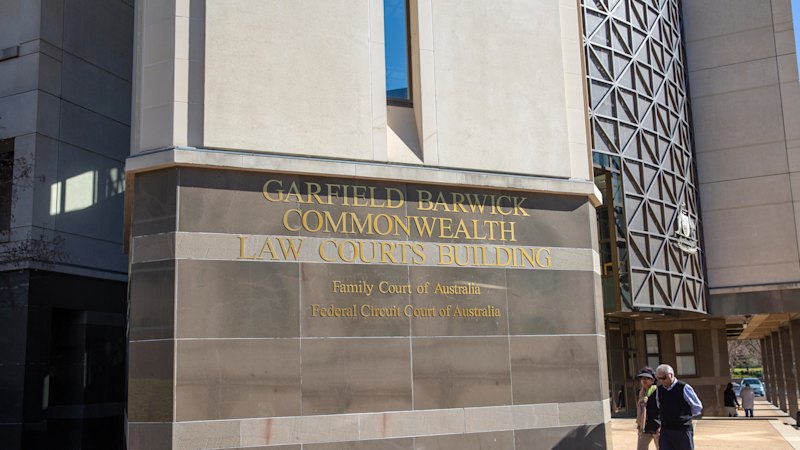
Legal fees for family law proceedings in Australia are prohibitively expensive. Lawyers start at upwards of $350 an hour, plus GST; some charge $1000 per hour or more. Costs can add up to hundreds of thousands of dollars.
But some parents have no option but to try to find that money – sometimes by selling their homes, or digging into their super. These could be parents who are struggling with an abusive ex-partner, and get to the point at which seeking an order from the Federal Circuit and Family Court becomes the best way to protect themselves and their children. Or they could be dragged to court by an abusive ex, who weaponises the court system to harm them financially and emotionally.
As the Herald’s Michaela Whitbourn reports today, the proportion of court cases involving alleged family violence has increased from 80 per cent to 86 per cent in four years.
Victim-survivors of domestic violence on limited incomes, predominantly women, often miss out on help from Legal Aid because assistance is subject to stringent means testing.
While previous estimates suggested only eight per cent of Australian households could access a legal aid grant, National Legal Aid executive director Yvette D’Ath said there was no doubt that figure had gone down further.
Since the Family Court’s creation in 1975, no-fault divorce was supposed to give primacy to children’s interests. However, the adversarial nature of the system, the way it can be weaponised for abuse or for lawfare between warring parents, and the crippling cost of legal representation, are antithetical to the best outcomes for children.
Courts acknowledge the long-term damage children suffer from being caught in the middle of battling parents (although funding for independent children’s lawyers was cut in the last federal budget). They have growing understanding of different kinds of abuse, such as coercive control.
They appreciate how protracted court battles inflict secondary harm on children through the stress they put on parents; it’s difficult for a parent to be patient and present when they are financially and emotionally overwhelmed. But the nature of the system means even an abusive parent is entitled to their day in court.
The existing family court system is predicated on an acceptance that most parents must bear the crushing financial cost of extricating themselves from potentially violent relationships to protect their children. Policymakers must reflect on why parents are forced to pay that price. Legal Aid NSW says it will be forced to scale back funding for independent children’s lawyers because of budget pressures.
Some in the domestic violence sector have argued against a royal commission. They say enough recommendations have been made during past inquiries, and what’s needed now is implementation.
The federal government also continues to resist calls for a royal commission into family violence. Only three weeks ago, Prime Minister Anthony Albanese pushed back against the idea. He, too, says we already have answers and must focus on action.
There may have been previous inquiries, but they have not resulted in change. Australia’s family violence crisis continues. A royal commission would bring accountability and attention. It would not only look at different elements of the response – the justice system, the family court system, prevention services, refuge services, child protection, behavioural change efforts – but how these elements interact with one another.
The irrefutable evidence that the war on women continues unfettered, and that children are suffering trauma too, clearly demands a royal commission into domestic violence. And its remit must include the family law system.
Jordan Baker sends an exclusive newsletter to subscribers each week. Sign up to receive her Note from the Editor.
 The Herald’s View – Since the Herald was first published in 1831, the editorial team has believed it important to express a considered view on the issues of the day for readers, always putting the public interest first.
From our partners
Read the full article here
