

Published on •Updated
A mix of relief and dejection spread across Iceland on Sunday after the country narrowly voted “No” to resuming talks with the European Union on potential membership.
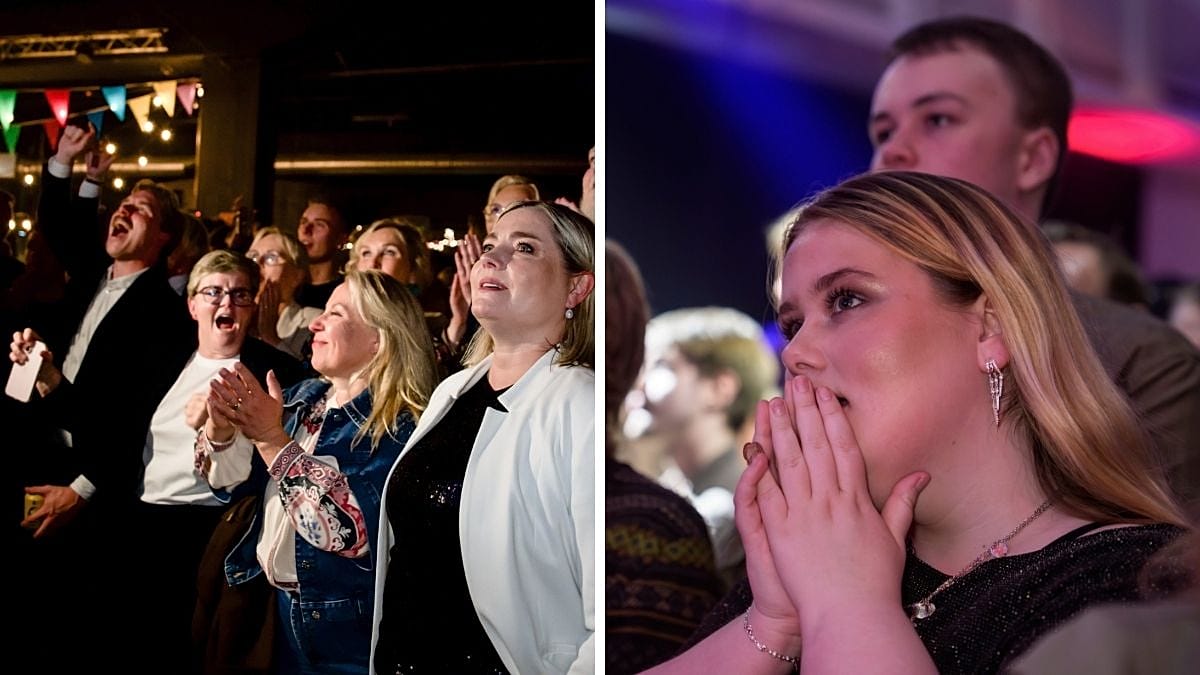
Many Icelanders had gathered in the capital Reykjavík to follow the results as they came in overnight, with both supporters and opponents of accession negotiations celebrating as the count progressed.
In Saturday’s vote, 52.8% rejected resuming EU entry talks, while 47.2% voted “Yes,” according to public broadcaster RÚV.
Speaking from Reykjavík after the result was called, Skuli Olafsson Skuli, a pastor, said he was “a little bit relieved.”
“It has been quite aggressive, this discussion,” he said. “But now I hope the opposing parties will find a way to make this community here in Iceland a little bit better just by using our own methods and, of course, those relations we have with Europe, America, and Asia.”
Anna Maria Bogadottir, an artist, said the outcome of the vote had left her “in a kind of denial.”
“It’s hard to grasp that it’s a no,” she added.
Iceland’s centre-left prime minister, Kristrún Frostadóttir, has pledged to “respect” the result while also praising the high voter turnout.
“It’s obvious that close to half of the country wanted to continue these negotiations, but over half of the population did not. We will respect that result,” Frostadóttir told a press conference on Sunday.
“The fact that we got people to the table on a matter like this is extremely important for us,” she continued. “It gives us a stronger mandate to make a decision on this matter.”
Writing on X, former Icelandic President Ólafur Ragnar Grímsson – who had backed the “No” campaign – said the “nation has spoken.”
The result of the referendum has also been hailed by right-wing figures from across the UK and France.
Reform UK leader Nigel Farage – who was a key supporter of Brexit – congratulated Iceland on “voting to keep their independence.”
France’s Marine Le Pen added: “At a time when some are pushing for greater federalism and the transfer of sovereignty to the European Commission, this vote serves as a reminder that another Europe is possible – a Europe of free, sovereign nations cooperating voluntarily on matters of common interest.”
For its part, the European Commission offered a short statement on the result, saying it “takes note of the outcome” and that it “respects the choice of the Icelandic people.”
Iceland first applied for EU membership in 2009 in the wake of the 2008 financial crisis, with the Commission issuing a favourable opinion in February 2010. A new Eurosceptic government ended talks in 2013.
Read the full article here
