

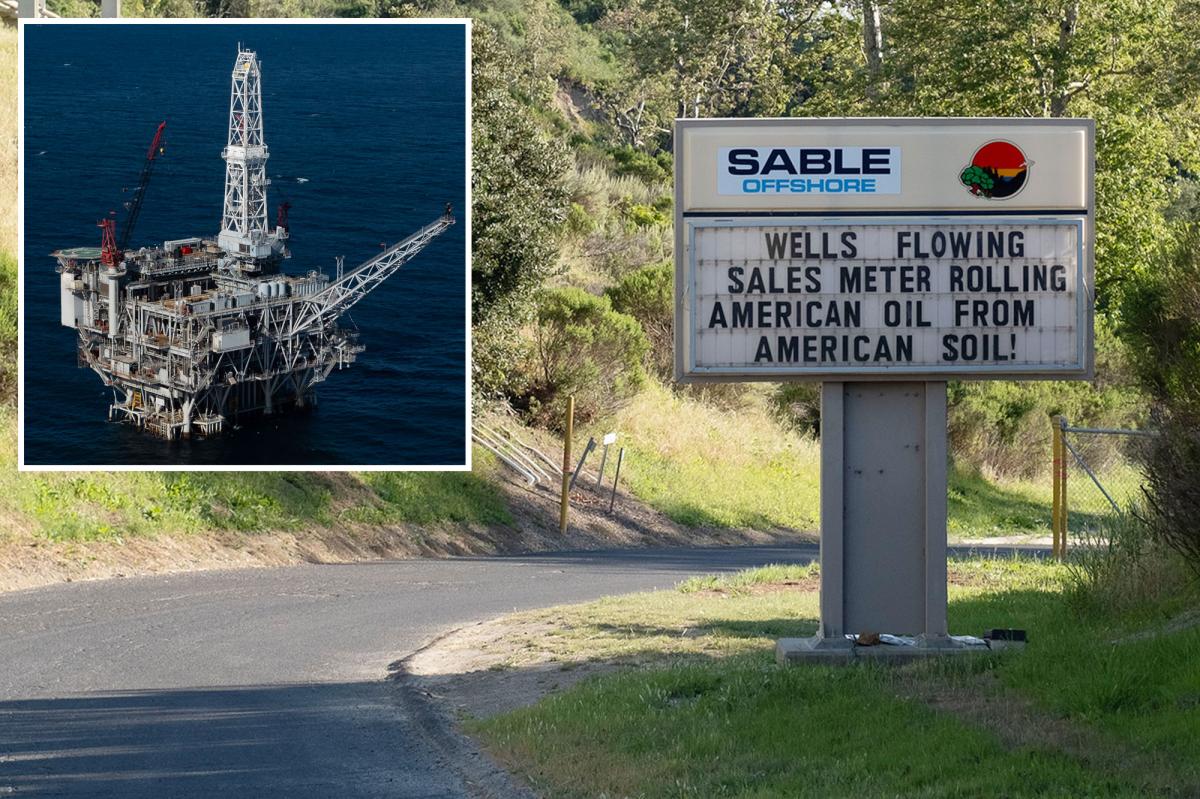
Sable Offshore scored a rare win over environmental activists in California after regulators ruled the technical “hiccups” behind excess air pollution at one of its offshore oil platforms should be resolved within months.
The Air Pollution Control District’s quasi-judicial hearing examiner Terrence Dressler granted the oil company a five-day variance allowing Platform Heritage, located eight miles off the Santa Barbara coast, to temporarily exceed the amount of air pollution permitted under its operating permit.
The decision came over objections from environmental groups that have spent the past two years fighting Sable’s return to offshore oil production, according to the Santa Barbara Independent.
Dressler said he was persuaded by Sable’s claim that it expects to fix the issues causing excess emissions within 90 days, warning that failure to do so would be a violation because the district “does not allow violations to continue.”
Platform Heritage, one of three offshore platforms Sable bought from Exxon two years ago, resumed operations in March after sitting idle for nine years following the 2015 Refugio pipeline spill.
In its variance application, the company said the restart had been plagued by “an unexpected number of equipment malfunctions, onshore and offshore production balancing issues, and well production issues,” which triggered more unplanned flaring than expected.
The five-day waiver bridges the gap until June 30, when Sable’s current three-month permit ends and a new emissions period begins. During that time, the company expects to bring unplanned flaring within allowable limits while providing regular monitoring reports.
Company representative Patrice Surmeier told the hearing Sable spent $110 million over the past year preparing Platform Heritage for its restart, deploying about 180 crew members along with engineers, consultants, and technical specialists. She said every piece of inspectable equipment had been tested, yet the unexpected problems persisted.
The hearing examiner, who spent 34 years with the Air Pollution Control District before retiring, said such setbacks are not unusual for a platform returning to service after a long shutdown.
“In my experience, this is not unusual for a start-up,” Dressler said. “This is not a simple problem. It’s a complex problem. They seem to be confident they have found a solution.”
He explained that new offshore platforms typically get built-in grace periods for startup issues, but because Heritage was classified as a restart rather than a new facility, no such provision was in its permit, making the variance hearing necessary.
Attorneys representing the Environmental Defense Center and the Center for Biological Diversity unsuccessfully sought to delay the hearing.
Environmental Defense Center attorney Linda Krop argued Sable had not provided evidence proving it could solve the problem within 90 days or support its claim of losing roughly $1.75 million a day if forced to reduce production.
The hearing attracted far more attention than most variance proceedings because of Sable’s long-running legal battles with county and state regulators over the company’s refusal to recognize their authority.
Despite that backdrop, Dressler said the controversy surrounding Sable played no role in his ruling.
“I had to ask myself, ‘If this was not Sable would I have made the same decision?’ The answer is yes,” he said.
“We don’t have a special set of requirements for Sable because they’re Sable. Sable gets equal protection.”
Download The California Post App, follow us on social, and subscribe to our newsletters
California Post News: Facebook, Instagram, TikTok, X, YouTube, WhatsApp, LinkedIn
California Post Sports Facebook, Instagram, TikTok, YouTube, X
California Post Opinion
California Post Newsletters: Sign up here!
California Post App: Download here!
Home delivery: Sign up here!
Page Six Hollywood: Sign up here!
Read the full article here
