

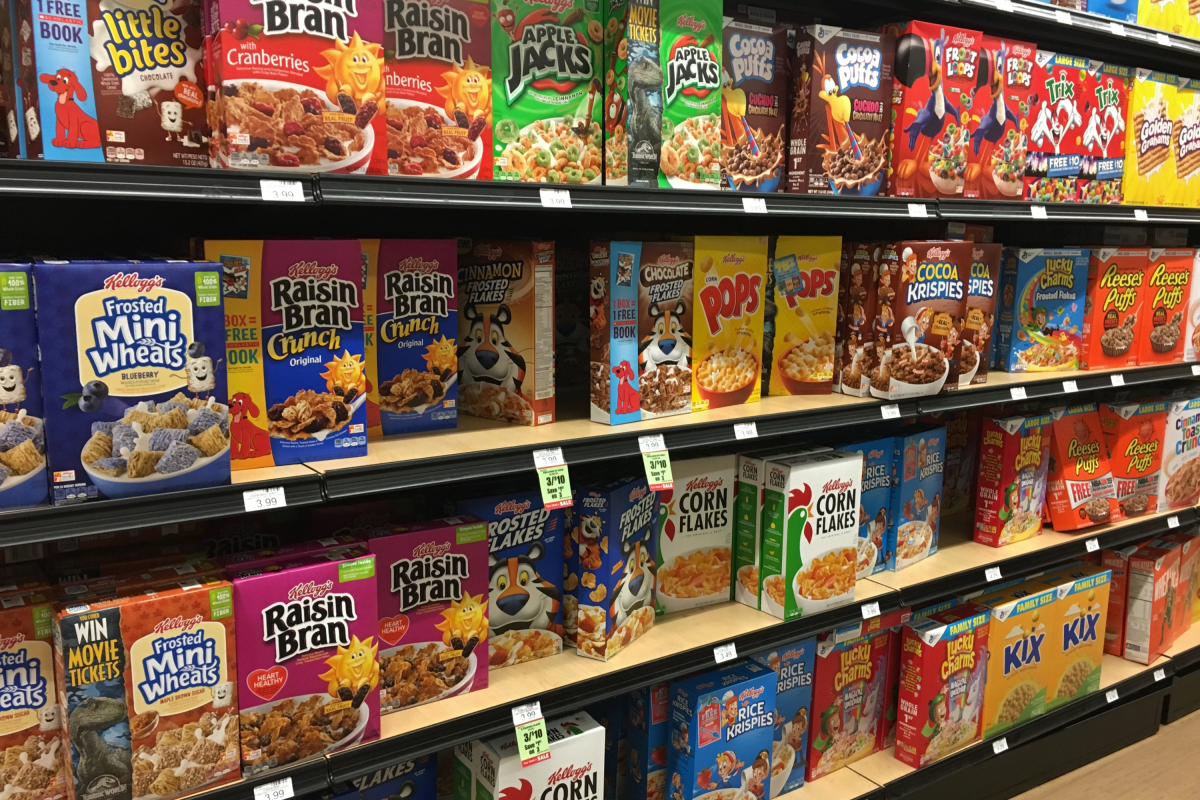
Target is removing all cereals containing artificial colors from its shelves by the end of May—replacing them with reformulated and dye-free alternatives.
The move will make Target one of the first major U.S. retailers to enforce a blanket rule across an entire product category, as pressure builds on the food industry to phase out synthetic additives.
What This Change Means for Customers
For shoppers, the changes could become increasingly visible in the cereal aisle over the coming months. Some familiar brightly colored cereals may look different—or temporarily disappear—as manufacturers move away from artificial dyes and reformulate recipes using natural colorings derived from fruits, vegetables, and spices.
Consumers may also see a broader push toward cereals marketed as healthier, including products with lower sugar content, added protein, and simpler ingredient lists as companies respond to growing pressure from regulators and health-conscious buyers.
What Target Is Doing—and When
Back in February, Target confirmed it will only be selling cereals made without certified synthetic colors—including widely used dyes like Red 40, Yellow 5, and Blue 1—across all its stores and online platform by the end of May 2026.
The company has worked with major brands and suppliers to reformulate existing cereals while also introducing new products that meet the standard, saying in its official announcement, “Our new cereal assortment made without certified synthetic colors makes it easier for busy families to make choices they feel good about and shows what it means to curate a great assortment and lead with merchandising authority.”
According to Supermarket News, this includes:
- New private-label options under its Good & Gather Kids line.
- Reformulated versions of popular cereals such as Trix and Lucky Charms.
- New or exclusive products from brands like Seven Sundays and Purely Elizabeth.
Target says that the transition will still keep the variety of cereals across existing price points and dietary needs, even as ingredients change.
Why Target Is Making This Change
The retailer says the decision is driven by consumer demand for cleaner, more transparent ingredients, particularly among families shopping for children. Cara Sylvester, Target’s executive vice president and chief merchandising officer, said, “We know consumers are increasingly prioritizing healthier lifestyles, and we’re moving quickly to evolve our offerings to meet their needs.”
Internal data showed a long-term shift toward foods without artificial additives, prompting the company to act quickly.
The change also aligns with a broader industry and regulatory push. The U.S. Food and Drug Administration (FDA) has already banned Red No. 3 and is working with manufacturers to phase out petroleum-based food dyes by 2027.
The Health Concerns Behind Artificial Colors
Artificial food dyes—commonly used to give cereals their bright, child-friendly colors—have faced increasing scrutiny from scientists and regulators. Researchers have linked some dyes to behavioral changes in children, including hyperactivity, irritability, and attention span issues.
There are also broader concerns around:
- Possible allergic reactions in sensitive individuals.
- Links to cancer risks in animal studies, particularly with certain dyes like Red No. 3.
While the FDA maintains that approved color additives are safe when used correctly, it also acknowledges that safety is based on a “reasonable certainty of no harm” standard—not absolute safety.
Which Cereals Could Be Removed
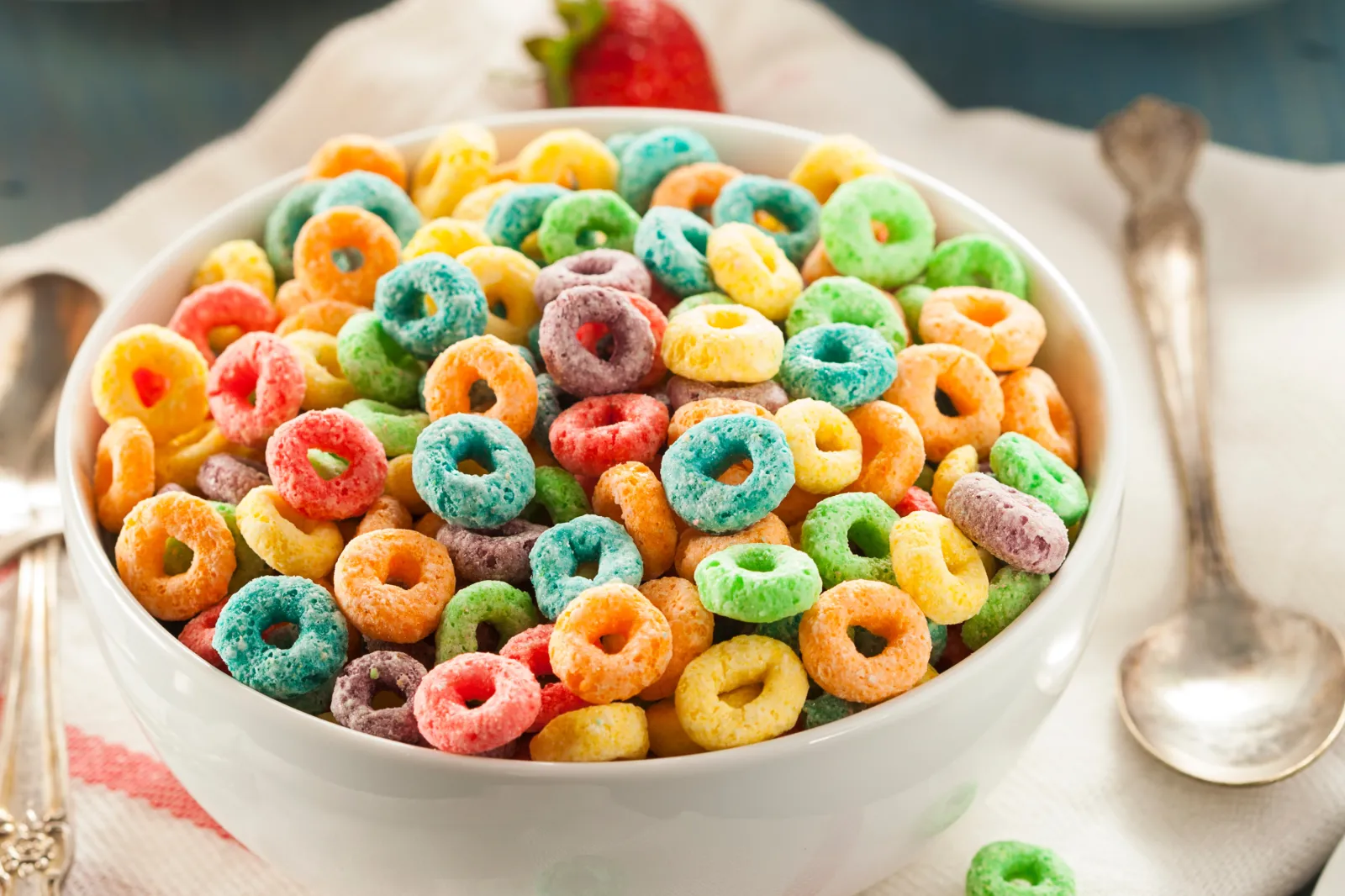
Target has not released a definitive list of affected products, but the policy is expected to impact many of the most recognizable, brightly colored cereals unless they are reformulated.
Examples include:
- Froot Loops
- Apple Jacks
- Cap’n Crunch
- Fruity Pebbles
These products typically rely on synthetic dyes such as Red 40, Yellow 5, and Blue 1 to achieve their distinctive colors, according to Taste of Home.
Not all colorful cereals will disappear permanently. Many brands are racing to update recipes, meaning some cereals could return to shelves in dye-free versions later this year.

Are Other Retailers Doing the Same?
Target is part of a broader industry shift, though it’ is moving faster than most competitors.
Both Aldi and Walmart have pledged to remove synthetic dyes from their private-label products, but with a longer timeline extending into 2027.
Major food companies, including Kellogg’s, General Mills, Kraft Heinz, Nestlé, and Conagra, have also committed to phasing out artificial dyes over the next few years.
Still, Target stands out for applying the rule across an entire category—and doing so within months rather than years.
The Key Takeaway
Target’s cereal aisle overhaul reflects a major turning point in the U.S. grocery landscape. By removing products with artificial dyes and pushing brands to reformulate, the retailer is betting that health-conscious shoppers will prioritize cleaner ingredients—even if it means saying goodbye to some of the most colorful and appealing cereals on the shelf.
Read the full article here
