

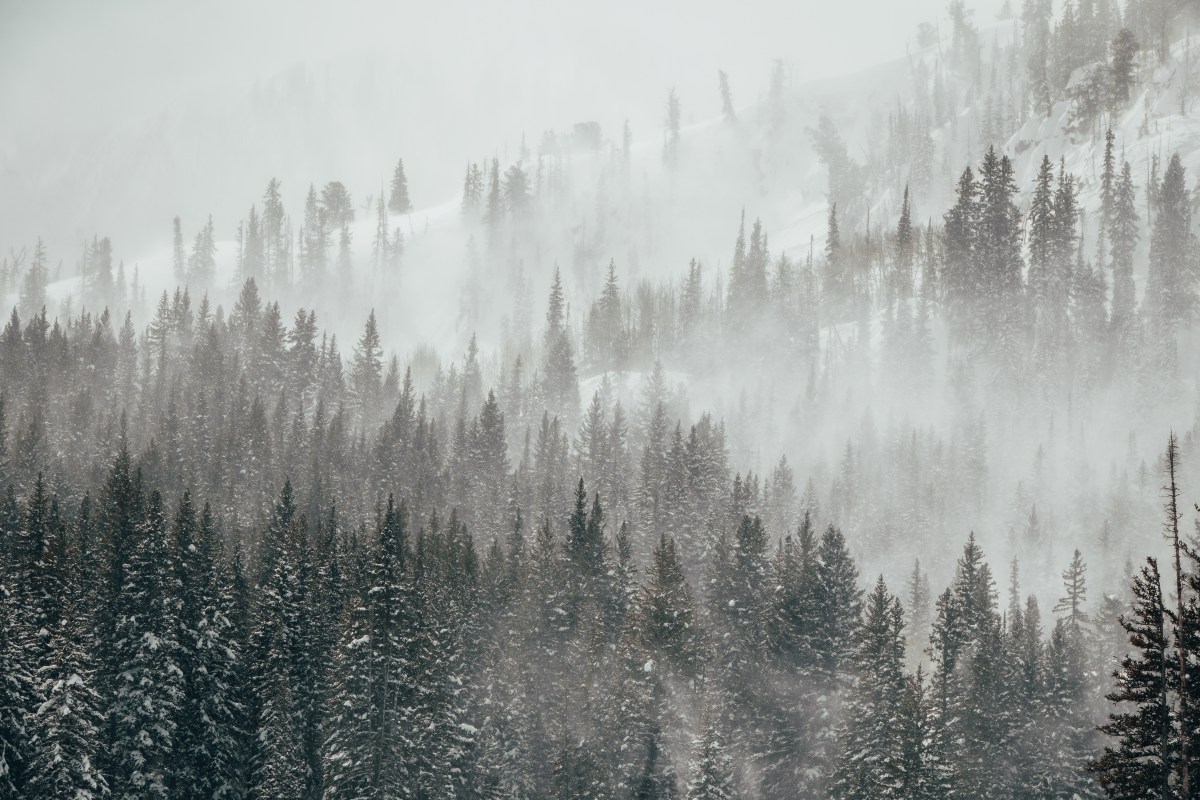
Utah’s mountains are bracing for a rare late-season snowfall, with forecasters warning that up to 4 inches could accumulate in higher elevations in what one meteorologist described as an “atypical” event for this time of year.
A forecast shared by X account WasatchSnow on social media highlighted the potential for fresh snow across parts of the Wasatch range, particularly in the upper elevations, where colder temperatures will allow precipitation to fall as dense, heavy snow rather than rain. While snow is not unheard of in late spring in Utah’s mountains, the expected amounts—and the context of an unusually dry winter—are drawing attention.
“It is pretty anomalous to get this much accumulating snow this time of year because most of these systems don’t have much cold air associated with them,” National Weather Service (NWS) lead meteorologist Seth Warthen, who works at the Salt Lake City forecast office, told Newsweek.
Utah Snowstorm: How Much Snow Will Fall?
Ongoing forecast models show a signal for snowfall in the region, with probabilities indicating measurable accumulation in higher terrain over the next few days, according to the NWS Weather Prediction Center. The agency’s outlook helps guide expectations for snow totals by combining computer model data and observational inputs, underscoring that snow is most likely in mountainous areas rather than valleys.
The bulk of the snow will fall above 9,500 feet elevation, Warthen told Newsweek, with the most meaningful accumulations—approaching the 4-inch range—likely above 10,000 feet.
The WasatachSnow account said some forecast models show even greater amounts of snow.
“Late tonight into tomorrow we have a cool, closed low that will bring the threat of snow to the highest elevations of the Wasatch and Uintas,” the post said. “Several inches possible! The high Uinta could see pockets of up to a FOOT according to some models. Be aware if you’re venturing outdoors!”
The snow is expected to be relatively dense, a result of warmer spring temperatures even at elevation, rather than the light powder typical of midwinter storms.
Despite the unusual timing, experts say the overall risk to the general public remains low. Since impacts will be limited, the NWS Salt Lake City office is still considering whether or not to issue winter weather advisories associated with the system, Warthen told Newsweek. Most Utah residents will not see accumulating snow, with impacts largely confined to alpine zones. However, those planning to visit the backcountry or higher-elevation trails should be aware of changing conditions, including slick surfaces and reduced visibility during periods of snowfall.
Utah Snow Drought: What Late-Season Snow Means
The late-season storm comes after a notably weak winter snowpack across much of Utah, raising questions about what the snow drought will mean for water levels in the summer months. State data shows snowpack levels have been significantly below normal, with some measurements reporting totals that peaked far below historical averages and runoff expected to reach a small fraction of normal levels. Because Utah relies heavily on mountain snowpack for water—nearly all of its annual supply—the lack of winter accumulation has heightened concern among water managers.
In that context, additional snow, even late in the season, is better than nothing. Denser snowpacks hold more water than lighter snow, raising the potential for greater runoff as they melt, depending on how quickly warming occurs. Still, experts caution that a short burst of late-season snow is unlikely to significantly reverse the impacts of a prolonged snow drought.
“At this point any liquid is definitely welcome because it wasn’t a great snow year,” Warthen said, adding that 4 inches of snow in the mountains “won’t make up for any deficit experienced throughout this winter.”
For recreators, however, the timing may be more immediately relevant. Hikers and climbers heading into the mountains could encounter winter-like conditions at higher elevations, including fresh snow cover and potential hazards such as icy terrain.
Utah Snow: What Happens Next
Snow will likely begin falling on Friday night and continue into Saturday. For residents of Utah’s valleys and urban areas, the storm is expected to pass with little disruption. Rain is more likely at lower elevations, and any snow that does fall will remain confined to mountaintops.
Read the full article here
