

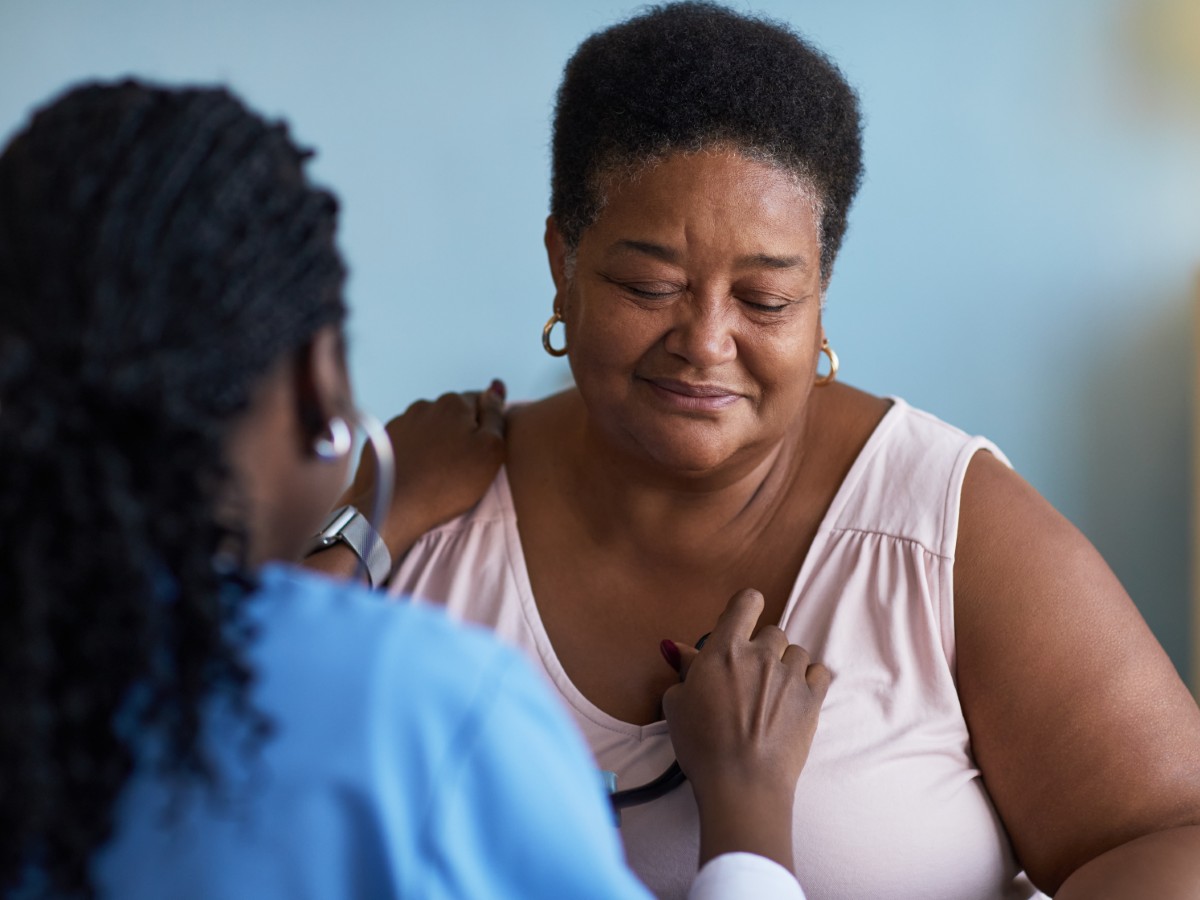
Black and Latina women in the U.S. face higher rates of medical misdiagnosis, and the financial consequences can be severe, according to advocates and patients who say errors in care often lead to spiraling medical debt.
Jared Walker, founder of Dollar For, a non-profit organization aimed at helping patients terminate their medical debt, told Newsweek that Black and Latina women are “disproportionately” impacted by a healthcare system that’s “broken,” adding there are longstanding racial and economic disparities in healthcare access.
Black and Latina women are 20 to 30 percent more likely to be misdiagnosed than white women in the U.S., according to an analysis by legal services firm High Rise Financial, including potentially life-threatening conditions like heart disease, stroke and cancer, while Black women were also more likely to be misdiagnosed with schizophrenia.
The law firm’s findings also found significant disparities in healthcare quality for Black and Latina women, including that they faced longer hospital waiting times, higher death rates in the emergency department and a reduced likelihood of hospital admission following an emergency department visit.
These higher rates of poor health outcomes or misdiagnosis not only have physical and emotional repercussions but may help explain why Black and Latina women are more likely to have higher medical bills, as studies have found.
Tiffany Whitlow, co-founder of Acclinate, a healthcare technology company that works to improve diversity in clinical trials, told Newsweek that misdiagnosis and patients being “disregarded” result in them “paying for multiple copays to see different specialists in search of someone who will finally listen.”
Beyond direct medical costs, patients also face hidden expenses, including taking potentially unpaid time off work, paying for extra childcare, and covering transportation for additional appointments.
“What’s heartbreaking is that so many women we talk to did everything they were supposed to do. They had insurance. They were working. They were making payments. And they still got crushed by medical bills,” Walker said. “At a certain point, we have to stop framing that as individual failure and recognize it as a policy failure.”
When Misdiagnosis Turns Costly
Speaking to Newsweek, Patricia Frausto-Rodriguez, a 50-year-old Los Angeles native now living in Ventura County, California, said her history of misdiagnosis resulted in a huge amount of medical debt over the years.
Frausto-Rodriguez, who is a Latina and director of the nonprofit organization World Voices Media, said the first time she experienced serious consequences from a misdiagnosis was at the age of 19.
She was treated with a series of cortisone shots for what the doctor initially said was a case of broken ribs—despite her intake not listing any unusual physical activity that could have led to a fracture.
Instead, she said she believed her symptoms aligned with those of a gallbladder issue—Latina women have been found in several studies, including a 1999 study published in a journal by the American Gastroenterological Association, to have one of the highest rates of gallbladder illness in the world.
She said the cortisone shots she was given “suppressed” her immune system, and two months later she found herself with “a serious case of shingles” on her ear and head. She described the pain of the shingles—and residual pain in her nerves which lasted for almost a year after—as “indescribable and life changing,” and that she’d never “felt pain like that before in my life, ever, and I’ve had gallstones the size of golf balls and have given birth to two children after days of labor.”
Frausto-Rodriguez went on to experience a series of medical issues throughout her 20s, which she said massively affected both her mental and physical health, forcing her to take sick leave from college and time off work. “It feels like I had a wasted few years of life while I paused to deal with the health repercussions of that original misdiagnosis,” she said.
She was also later dismissed for a long time before she finally got a diagnosis for vitiligo, which doctors had previously told her was “sunspots.”
Over the years, this has taken a massive toll on her personal finances. “The misdiagnosis, or the assumption about what condition I could or could potentially not have, have either left me with truncated progress in care or sent me down a rabbit hole of tests and procedures that were a financial burden for me,” she said. She added that it took her years to pay off her bills, and to this day, she worries about her ability to retire.
Klitoni Robinson, a 46-year-old Black mother based in Alabama with her half Black, half Latino children, said she felt that because of their ethnicity, their voice “does not get heard at all” in the medical industry. She also said that they are often made to seem like they are “making things up or just trying to get attention” when they seek help for medical concerns.
She told Newsweek how her daughter Alyssa, who is now 22, was experiencing considerable discomfort and digestive issues, which doctors continuously dismissed as a “stomach flu” before, eventually, after her daughter lost a lot of weight and her hair began to fall out, a colonoscopy and endoscopy revealed she had 11 ulcers in her small intestine. Around a year and a half later, they found out she had Crohn’s disease, a chronic inflammatory bowel disease.
Due to issues with her health insurance and both her son’s and daughter’s medical complications, Robinson at one time found herself with more than $20,000 worth of medical bills to pay. She said that trying to pay “everyday bills” is already a “challenge,” but that trying to “come up with something extra to be able to pay these doctors’ bills has been almost impossible.”
Jessica Gotera, a 40-year-old Latina woman based in Memphis, Tennessee, told Newsweek that she had been in and out of the emergency room because of misdiagnoses, which had “put a damper on my finances.”
She said that one of those emergency room trips included a time when she had cellulitis, a potentially serious infection in the deeper layers of the skin, and was in a great deal of pain, but she said the nurse “didn’t even attend to the wound. I did.”

A Lack of Representation in Clinical Trials
Whitlow, co-founder of Acclinate, said that part of the reason Black and Latina women are disproportionately misdiagnosed is that they are not equally represented in clinical trials.
“It comes down to a profound trust gap and deeply entrenched systemic barriers,” she said, pointing to the Tuskegee Syphilis Study, where African American men with syphilis were left untreated for scientists to see how the disease progressed, and the non-consensual use of Henrietta Lacks’ cells. Lacks, a Black woman from Maryland, went to the gynecologist and was treated for aggressive cervical cancer. During the diagnostic procedure, a sample of her cervix was taken for analysis, but later, without her knowledge or consent, remaining cells from the sample were continuously used for medical investigation. Both cases have meant that now Black men and women are historically skeptical of clinical trials, according to studies.
Another issue is that “doctors often simply do not ask Black and Latina women to participate in trials,” Whitlow said. The impact of this is that drugs and treatments on the market may not reflect biological differences across populations, which she said, “directly increases the risk of misdiagnosis and ineffective treatment plans.”
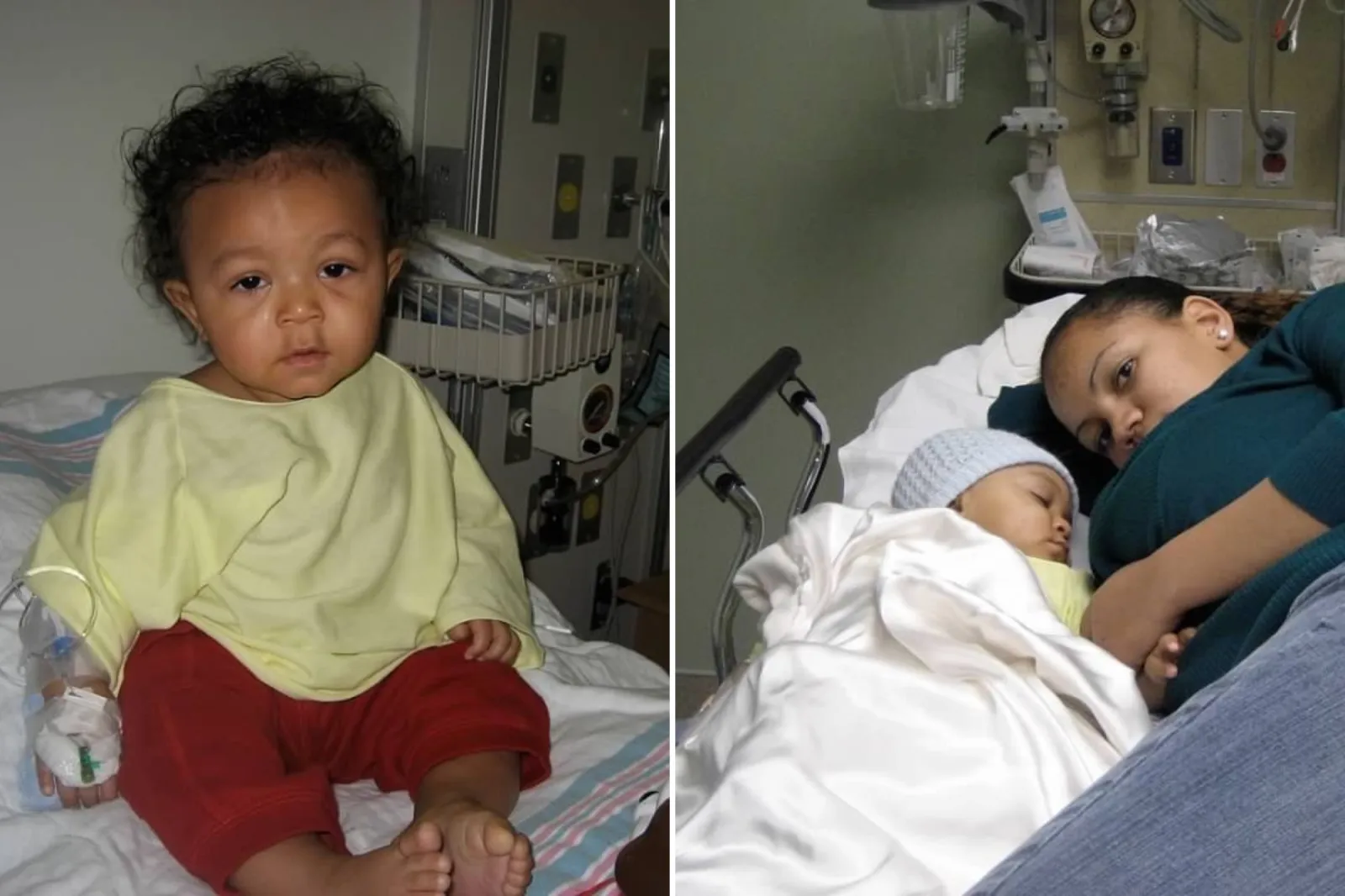
She also shared that her infant son was hospitalized with severe asthma for a week, and he was eventually prescribed Albuterol, the most common asthma drug on the market. However, it was much later that Whitlow learned that some studies show Albuterol is significantly less effective for African Americans and Puerto Ricans.
“I was a young Black mother sitting in a hospital, wholly unaware that clinical trials existed, let alone that the drugs saving my son were never adequately tested on children who looked like him,” she said.
So, as the financial burden of all the follow-up appointments and specialist visits after his hospitalization accumulated, Whitlow said she realized she’d been spending money she “did not have on gas, transportation, and medications that weren’t adequately managing his condition.”
“It was a terrifying cycle. I was drowning in the financial stress of trying to keep my child alive, paying for a system that was essentially guessing at his care,” she said.
Crippling Medical Debt Even Without Misdiagnosis
Even without misdiagnosis resulting in additional appointment and test costs, medical debt is having a notable impact on Americans. The average American family spends around 11 percent of their household income on healthcare premiums and out-of-pocket costs, according to High Rise Financial. One in three Americans also now report skipping meals or cutting back on utilities to pay medical bills—a burden that grows heavier when diagnosis is missed or delayed.
Linon Bernard, a 55-year-old Black Haitian mother-of-three based in Windermere, Florida, told Newsweek that while she did not feel as though she had been “dismissed” because of her ethnicity in the healthcare space, she has struggled with accumulating medical debt— debt so great she “feared I would never be able to pay it off.”
“As an immigrant single mother, keeping up with medical bills while trying to make ends meet was difficult,” she said. “I have often hesitated to seek necessary care due to the fear of subsequent medical bills even when I have aging symptoms requiring medical attention.”
She added that she was “concerned” about the looming changes to Medicaid and Medicare, implemented by Trump’s sweeping tax package, the One Big Beautiful Bill Act, saying, “any reduction in coverage disproportionately harms low-income communities and individuals in my position.”

Pressure Could Grow
The expiration of Affordable Care Act subsidies, changes to Medicaid coverage and broader cost-of-living pressures are expected to add to the burden faced by low-income families – particularly communities already experiencing disparities in care.
“Costs are up on everything…rent, groceries, childcare. So, when a medical bill shows up, people have even less cushion than they used to,” Walker, founder of Dollar For, said.
“At the same time, hospitals are doing a poor job of telling patients that financial assistance programs even exist,” he added, leaving families to to choose between basic necessities and medical bills
“That’s not people failing. That’s the system failing people,” he said.
Read the full article here
