



MORE THAN A BORDER DISPUTE
The issue is more than just a border dispute.
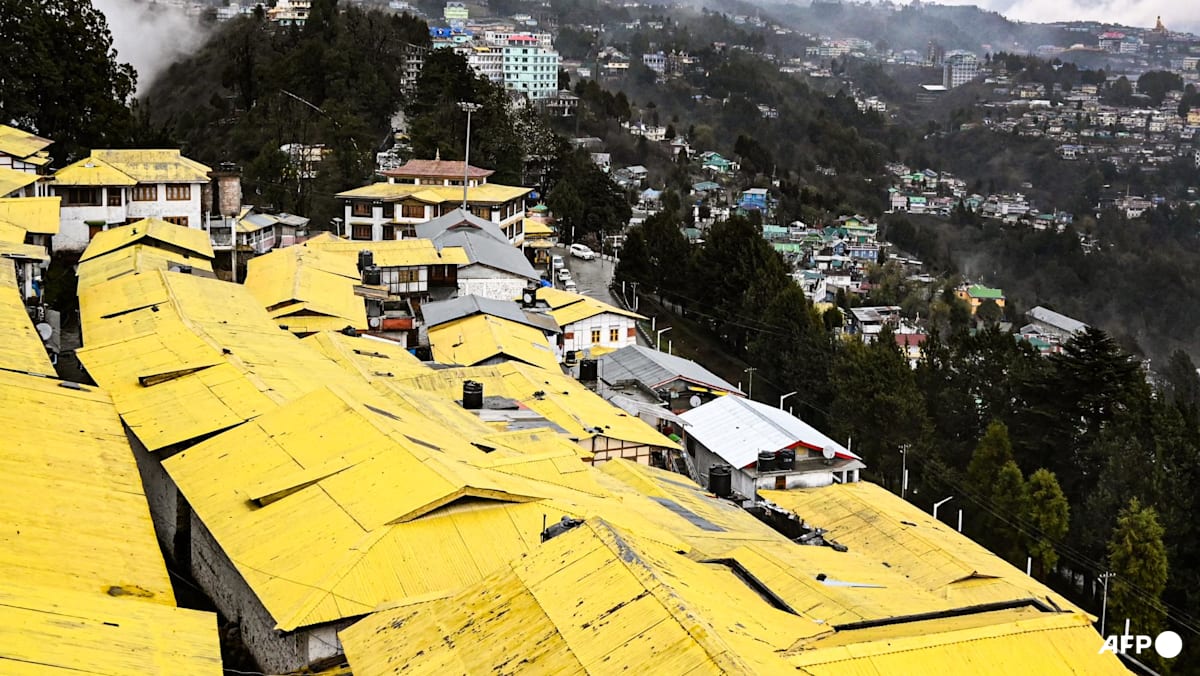
Tawang, just some 35km from the border, is home to India’s largest Buddhist monastery and was the birthplace of the 6th Dalai Lama. That makes it a significant place for Tibetan Buddhists – and a religious site that China wants to exercise control over.
The succession of the 14th Dalai Lama, who lives in exile in India, is also a potential flashpoint between China and India.
“The naming of places is part of an increasingly assertive contest over sovereignty, history and cartography,” Nirupama Rao, a former Indian foreign secretary and ambassador, told me.
“The real test lies on the ground. If military restraint is exercised by both sides and working mechanisms to manage the LAC (Line of Actual Control) continue to be deployed, such episodes are containable,” she said.
But Ms Rao also warned of danger in China’s “continuing propensity to probe, patrol, build infrastructure and incrementally create facts on the ground”.
“When symbolic assertion of a claim is accompanied by a material attempt to alter the status quo, the larger bilateral relationship comes under serious strain,” she added.
Read the full article here


