



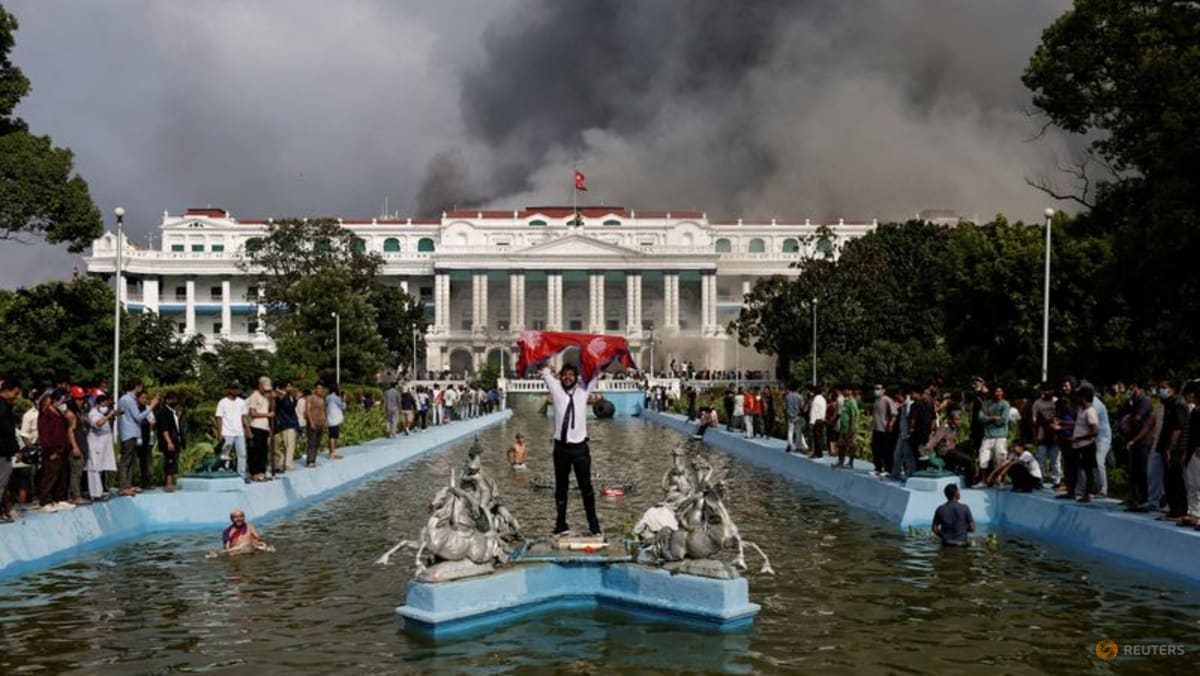
VISIBLE SIGNS OF TURMOIL
There are visible signs of turmoil. In the Philippines, which imports almost all of its crude from the Middle East, rising fuel bills prompted an energy emergency soon after the war began. Transport workers launched nationwide strikes, demanding more assistance from their leaders.
In India’s industrial hub of Noida, people took to the streets over low pay and poor conditions made worse by surging living expenses – driven in part by cooking gas shortages. And in Pakistan, widespread rallies against sharp hikes in petrol were a reminder of how economic strain can morph into a backlash.
Young workers are especially vulnerable. Even before the war, the World Bank had warned of mounting unemployment among the region’s youth. Many are likely to be hired informally, with few financial buffers to absorb steeper expenses. That insecurity will deepen as wages lag inflation and stable jobs move further out of reach.
For many, this is the second major economic setback in just a few years, after the pandemic left them facing a more precarious future.
The blow could be severe enough to push millions into financial distress. A UNDP report published this month estimates that 8.8 million people across Asia and the Pacific risk falling into poverty as a result of the Middle East conflict. While more than half are in Iran, the wider region is also affected.
Read the full article here


